Haryana Violence: US Calls For Calm, Urges Parties To Refrain From Violent Actions

Haryana Violence: US Calls For Calm, Urges Parties To Refrain From Violent Actions

Washington: In response to the ongoing clashes in Gurugram and surrounding areas, the United States Department of State said that the US calls for calm and urges parties to refrain from violence. Addressing the State Department briefing on Wednesday (local time), the official spokesperson Matthew Miller said, “I would say of – with respect to the clashes that obviously we would, as always, urge calm and urge parties to refrain from violent actions.” “With respect to whether we’ve heard from any Americans, I’m not aware of that. I’m happy to follow up with the – with the embassy,” he said when asked about any American citizen impacted by the clashes in Gurugram.

Clashes between two groups broke out in Nuh on Monday afternoon after a religious procession passing through the district came under attack, leaving two home guards dead and dozens of people — including around 20 policemen — injured in the frenzy of violence that followed.

As the conditions in Haryana’s Nuh, Faridabad and Palwal districts and in three sub-divisions of Gurugram remain critical and tense, the state government on Wednesday announced that mobile internet services will remain suspended in these districts till August 5.

The order passed by the Haryana Home Secretary stated that the conditions in these districts remain critical and tense. (ANI)

Malibu’s Secret Beach for the Wealthy Is Opening to the Public After 40 Years

A secret beach for the wealthy in Malibu, California is not going to be a secret for much longer.

Escondido Beach has been wrapped up in legal battles for decades, as the beach is not accessible to the public, as required by local regulations. According to The Guardian, access to the beach was cut off in the 1980s by wealthy homeowners. Now, things are slated to change.

During a June 7 hearing, the California Coastal Commission cited two property owners for violations of not having public access to the beach area near their homes. (Escondido Beach is located along the Pacific Coast Highway and off of Escondido Beach Road.)

During a June 7 hearing, the California Coastal Commission cited two property owners for violations of not having public access to the beach area near their homes. (Escondido Beach is located along the Pacific Coast Highway and off of Escondido Beach Road.)

“Escondido means ‘hidden’ in Spanish, and this beach has indeed remained difficult for the public to access well into the 21st century. Yet Escondido Beach is located in a highly popular area of central Malibu, near Paradise Cove and Escondido Falls, and within sight of Point Dume,” a summary from the California Coastal Commission revealed.

Escondido means ‘hidden’ in Spanish, and this beach has indeed remained difficult for the public to access well into the 21st century. Yet Escondido Beach is located in a highly popular area of central Malibu, near Paradise Cove and Escondido Falls, and within sight of Point Dume,” a summary from the California Coastal Commission revealed.

After challenging these violations for over 30 years, the property owners have agreed to pay penalties and cooperate by realigning the stretches of public access to allow for visitors.

Malibu, long considered to be an oasis for the wealthy, is nicknamed “Billionaire’s Beach” after celebrities and high-profile residents have purchased expensive homes in the area. (The city, which has a population of just over 10,000, has an average property price of $5.5 million, according to Realtor.com.)

The properties where the new access will be built were historically owned by a former executive from Paramount Pictures and the founder of Bally Total Fitness, according to the Los Angeles Times.

While there is no published timetable of when public access will be established, travelers can enjoy over 27 miles of public beaches in Malibu.

Unraveling the Excellence: Singapore’s World-Class Education System

Introduction:
Singapore, a small island nation in Southeast Asia, has garnered global recognition for its exemplary education system. Renowned for consistently topping international rankings in subjects such as mathematics and science, Singapore’s education system has become a benchmark for countries worldwide. In this blog, we delve into the key features and factors that contribute to the success of Singapore’s education system.

1. Holistic Approach to Education

Singapore’s education system takes a holistic approach, emphasizing the development of students’ intellectual, physical, social, and moral capabilities. The curriculum integrates academic subjects with character development, values education, and life skills. This comprehensive approach aims to produce well-rounded individuals equipped to navigate the challenges of the modern world.

2. High-Quality Teachers:

At the heart of Singapore’s education system are its dedicated and highly trained teachers. Rigorous selection processes ensure that only the best candidates enter the teaching profession. Teachers undergo continuous professional development to keep abreast of innovative pedagogical practices. Their passion, expertise, and commitment to nurturing students’ potential contribute significantly to the success of Singapore’s education system.

3. Strong Focus on Core Subjects

Singapore’s curriculum places a strong emphasis on core subjects such as mathematics, science, and languages. The systematic and rigorous teaching methods enable students to develop a solid foundation in these subjects. The emphasis on critical thinking, problem-solving, and application of knowledge equips students with essential skills for success in the global arena.

4. Merit-Based System and High Expectations:

Singapore’s education system operates on a merit-based approach, fostering healthy competition and high academic standards. Students are regularly assessed through national examinations, including the Primary School Leaving Examination (PSLE), the GCE O-Level examination, and the GCE A-Level examination. The system sets high expectations for students, encouraging them to strive for excellence and achieve their fullest potential.

5. Supportive Infrastructure and Resources:

Singapore’s education system is supported by state-of-the-art infrastructure and ample resources. Schools are well-equipped with modern facilities, including science laboratories, technology-enabled classrooms, and comprehensive libraries. The government invests heavily in education, ensuring access to quality resources, educational technology, and a conducive learning environment.

6. Lifelong Learning and Skills Development:

Singapore’s education system recognizes the importance of lifelong learning and skills development in a rapidly changing world. Efforts are made to cultivate a culture of continuous learning, where students are encouraged to pursue their passions and develop a growth mindset. Vocational and technical education pathways are also available to cater to diverse career aspirations and equip students with practical skills.

7. Parental Involvement and Support:

Singapore’s education system recognizes the crucial role parents play in a child’s education. Parental involvement is encouraged through regular communication, parent-teacher associations, and involvement in school activities. This partnership between parents and educators ensures a supportive and nurturing environment for students’ overall development.

Conclusion:
Singapore’s education system stands as a testament to the nation’s commitment to providing quality education and nurturing the potential of every child. With its holistic approach, high-quality teachers, strong focus on core subjects, and emphasis on lifelong learning, the system prepares students to excel academically, adapt to a changing world, and contribute meaningfully to society.

As Singapore continues to innovate and adapt its education system to meet future challenges, it remains an inspiration and benchmark for countries around the world. The success of Singapore’s education system is a reflection of the nation’s unwavering commitment to education excellence, equipping its citizens with the knowledge, skills, and values necessary to thrive in the global arena.

Singapore Currency: A Closer Look at the Lion City’s Monetary Identity

Introduction:
In addition to its iconic skyline, thriving economy, and diverse culture, Singapore is also renowned for its currency, which serves as a symbol of the nation’s financial stability and progress. In this blog, we delve into the fascinating world of Singapore currency, exploring its history, design, security features, and the central bank’s role in maintaining its integrity.

1. History of Singapore Currency:

The history of Singapore’s currency dates back to its colonial days when it used various currencies, including the Indian Rupee and the Spanish Dollar. In 1965, Singapore gained independence and introduced the Singapore Dollar (SGD) as its official currency. Over the years, the currency has evolved and become a testament to Singapore’s economic growth and stability.

2. Design and Features

The Singapore Dollar banknotes showcase a harmonious blend of art, culture, and national symbols. The front side of the notes features portraits of Singapore’s founding fathers and national icons, while the back side depicts various aspects of Singapore’s rich heritage, such as cultural festivals, landmarks, and the diverse flora and fauna of the region. The currency notes also incorporate advanced security features to protect against counterfeiting. These features include intricate designs, watermarking, security threads, holographic elements, and tactile marks for the visually impaired. The Monetary Authority of Singapore (MAS) regularly updates the currency’s design and security features to stay ahead of counterfeiters.

3. Singapore Monetary Authority:

The Monetary Authority of Singapore (MAS) is the central bank responsible for issuing and regulating Singapore’s currency. The MAS plays a crucial role in maintaining the stability and integrity of the financial system, including the value and availability of the Singapore Dollar. Through monetary policy, the MAS manages inflation, ensures a stable exchange rate, and safeguards the nation’s reserves.

4. Singapore Dollar Exchange Rate:

The Singapore Dollar has gained recognition as a stable and freely convertible currency. Its exchange rate is determined by market forces but is influenced by the MAS to ensure stability and competitiveness. The strong reputation of the Singapore Dollar contributes to its acceptance and use in international transactions, trade, and investments.

5. Cashless Payments and Innovation:

In recent years, Singapore has embraced the digital revolution in payments. The country has witnessed a significant shift towards cashless transactions, with the adoption of e-wallets, mobile payment apps, and contactless payment methods. The MAS actively promotes financial technology (fintech) and innovation, fostering an environment that encourages the development of digital payment solutions.

Conclusion:
Singapore’s currency, the Singapore Dollar, stands as a symbol of the nation’s economic progress, stability, and financial integrity. With its beautiful design, advanced security features, and strong backing from the Monetary Authority of Singapore, the currency reflects the Lion City’s commitment to excellence and innovation.

As Singapore continues to evolve as a global financial hub, its currency plays a pivotal role in facilitating trade, investment, and economic growth. The Singapore Dollar not only serves as a medium of exchange but also represents the spirit of resilience, innovation, and prosperity that defines the nation.

In a world where currencies are essential markers of a country’s identity, the Singapore Dollar holds its own, embodying the values and aspirations of a dynamic nation that constantly strives for excellence.

The Cultural Mosaic of Singapore: Exploring the Richness of its People

Introduction:
Singapore, a vibrant city-state located in Southeast Asia, is renowned for its remarkable cultural diversity and harmonious coexistence among its people. As a melting pot of various ethnicities, religions, and languages, Singapore stands as a shining example of multiculturalism and unity. In this blog, we delve into the tapestry of Singapore’s people, exploring their unique traditions, values, and contributions to the nation’s rich heritage.

1. Ethnic Diversity:

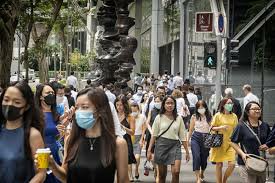
Singapore’s population comprises primarily four major ethnic groups: Chinese, Malay, Indian, and Eurasian. Each group brings its own customs, languages, and cultural practices, contributing to the nation’s diverse fabric. The Chinese form the largest ethnic community and have deeply influenced Singapore’s cultural landscape with their traditions, festivals (such as Lunar New Year), and cuisine. The Malays, with their rich heritage and traditions, celebrate events like Hari Raya Puasa, while the Indians contribute their vibrant festivals like Deepavali and Thaipusam. The Eurasians, a fusion of European and Asian ancestry, add a unique dimension to Singapore’s multiculturalism.

2. Harmony in Diversity

One of Singapore’s greatest strengths lies in the harmonious coexistence of its various ethnic communities. The government’s emphasis on racial harmony has fostered a sense of inclusivity and understanding among its people. The Ethnic Integration Policy promotes a balanced racial mix in public housing, ensuring diverse neighborhoods where different ethnic groups can interact and learn from one another. This cohesion is also evident in the workplaces, schools, and social gatherings, where Singaporeans embrace diversity and appreciate the contributions of each ethnic group.

3. Language and Communication:

Singaporeans are multilingual, reflecting the linguistic diversity of the nation. English is the primary language used for official and administrative purposes, while Malay, Mandarin Chinese, Tamil, and various dialects (such as Hokkien, Cantonese, and Teochew) are also widely spoken. This linguistic adaptability allows Singaporeans to communicate effectively within their communities and across ethnic lines, promoting better understanding and cultural exchange.

4. Strong Work Ethic and Education

Singaporeans are known for their strong work ethic and pursuit of academic excellence. Education plays a vital role in the lives of Singaporeans, with a highly regarded education system that emphasizes critical thinking, creativity, and holistic development. The nation’s emphasis on education has propelled Singapore to become a global hub for innovation and technology, producing a highly skilled workforce that contributes to its economic success.

5. Food: A Culinary Paradise:

Singaporeans are passionate about food, and the local cuisine is a testament to the nation’s multicultural heritage. Hawker centers, food courts, and restaurants offer a wide array of dishes, blending flavors from various cultures. Whether it’s the aromatic spices of Indian curries, the fiery delights of Malay cuisine, the savory delights of Chinese dishes, or the fusion creations of Peranakan cuisine, Singapore offers a gastronomic adventure like no other.

Conclusion:
Singapore’s people are the heartbeat of its multicultural society. Their shared values of harmony, resilience, and inclusivity have contributed to the nation’s success story. With their diverse backgrounds, languages, traditions, and contributions to various fields, Singaporeans embody the true essence of a multicultural society, demonstrating that unity in diversity is not just an ideal, but a thriving reality.

As Singapore continues to evolve and embrace new challenges, it is the strength of its people and their collective spirit that will propel the nation forward, building upon its rich cultural heritage and forging a vibrant future.

Seamless and Efficient: Navigating Singapore’s Transportation Network

Introduction:
When it comes to transportation, Singapore stands as a shining example of efficiency and connectivity. This small island nation has developed a world-class transportation system that seamlessly moves people and goods across the city-state. In this blog, we will explore Singapore’s diverse transportation options, including its renowned public transit system, smart mobility initiatives, and sustainable transportation solutions.

  1. Efficient Public Transit System: At the heart of Singapore’s transportation network lies an efficient and reliable public transit system. The Mass Rapid Transit (MRT) system serves as the backbone, connecting various parts of the island through an extensive network of train lines. The MRT is clean, well-maintained, and known for its punctuality. Complementing the MRT are the numerous bus routes, providing comprehensive coverage throughout the island. With integrated fare systems and convenient payment methods like contactless cards and mobile apps, commuting in Singapore is a breeze.

2 . Smart Mobility Initiatives:

Singapore has embraced technology and innovation to enhance its transportation system. The Land Transport Authority (LTA) has launched several smart mobility initiatives to improve efficiency and convenience. For instance, the “Beeline” platform allows commuters to book on-demand bus services based on demand patterns. Additionally, the LTA is piloting autonomous vehicles and conducting trials for various mobility solutions, such as shared e-scooters and bike-sharing programs, to provide last-mile connectivity.

3. Well-Designed Road Network:

Singapore boasts a well-designed road network that ensures smooth traffic flow. The city-state’s roads are meticulously planned, incorporating features like dedicated bus lanes, expressways, and intelligent traffic management systems. Electronic Road Pricing (ERP) is implemented to manage congestion and encourage the use of public transport during peak hours. With a comprehensive network of highways and flyovers, traveling by car or taxi in Singapore is convenient and efficient.

4. Cycling Infrastructure:

Singapore has been actively promoting cycling as a sustainable and healthy mode of transportation. The city has developed a comprehensive network of cycling paths and park connectors, allowing cyclists to traverse the city safely. Shared bicycle schemes, such as oBike and SG Bike, provide affordable and flexible options for short-distance travel. Additionally, the introduction of personal mobility devices (PMDs) has further expanded the range of choices for commuters.

5. Sustainable Transportation:

As an environmentally conscious nation, Singapore is committed to sustainable transportation solutions. The government encourages the use of electric vehicles (EVs) through incentives, including tax breaks and charging infrastructure development. The introduction of hybrid buses and the gradual electrification of the taxi fleet contribute to reducing carbon emissions. Singapore is also investing in alternative modes of transportation, such as cable cars and ferries, to enhance connectivity and reduce road congestion.

6. Integration and Accessibility:

Singapore’s transportation system is designed to be integrated and accessible for all. Stations and buses are equipped with facilities to accommodate individuals with disabilities, ensuring inclusivity. Integration between different modes of transport, such as seamless transfers between trains and buses, makes commuting convenient and hassle-free. Real-time information on schedules and arrivals is readily available through mobile apps and digital signage, further enhancing the overall transportation experience.

Conclusion:
Singapore’s transportation network sets the benchmark for efficiency, connectivity, and sustainability. With its reliable public transit system, smart mobility initiatives, cycling infrastructure, and commitment to sustainability, Singapore continues to innovate and improve its transportation offerings. Whether you’re a local resident or a visitor exploring the city-state, navigating Singapore’s transportation system is a seamless experience that enables you to explore the vibrant city with ease and convenience.

The Enchanting Marvels of Singapore: A Traveler’s Paradise

Introduction:
Welcome to the vibrant island city-state of Singapore! Nestled in Southeast Asia, Singapore is a captivating destination that seamlessly combines the best of Eastern and Western cultures. From its gleaming skyline to its lush green spaces and diverse culinary scene, Singapore offers a unique and unforgettable travel experience. Join us as we embark on a virtual journey through this enchanting city-state.

1 . A City of Modern Marvels:

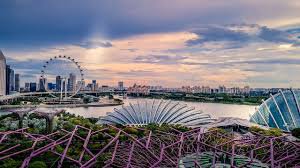
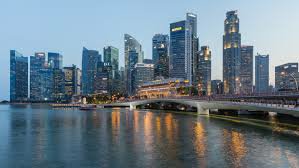
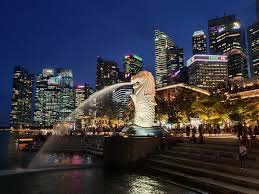
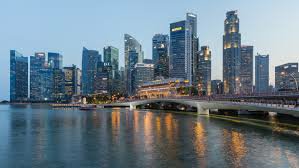
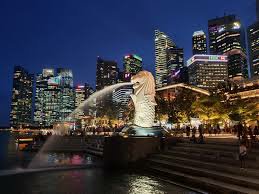
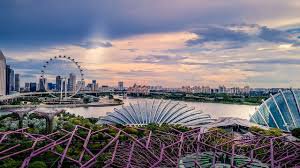
Singapore is renowned for its stunning modern architecture, and no visit is complete without exploring its iconic landmarks. Marvel at the awe-inspiring Gardens by the Bay, a horticultural oasis featuring futuristic Supertrees and breathtaking conservatories. The Marina Bay Sands resort, with its sky-high infinity pool, offers panoramic views of the city skyline. Immerse yourself in the vibrant energy of Orchard Road, Singapore’s premier shopping belt, where luxury brands and bustling malls line the street.

2. A Melting Pot of Cultures:

One of Singapore’s greatest charms is its multicultural heritage. Step into Chinatown, where you can wander through bustling streets adorned with traditional shophouses, visit ornate temples, and savor authentic Chinese cuisine. Explore Little India, a vibrant neighborhood bursting with colorful textiles, aromatic spices, and mouthwatering Indian delicacies. Kampong Glam, Singapore’s Malay-Arab quarter, beckons with its rich history, beautiful mosques, and trendy boutiques.

3. Nature’s Oasis in the Urban Jungle:

Singapore is often referred to as the “Garden City,” and for good reason. Despite its urban landscape, the city boasts an array of green spaces that provide respite from the hustle and bustle. Discover the UNESCO-listed Singapore Botanic Gardens, home to a stunning array of tropical flora and the famous National Orchid Garden. For a unique wildlife experience, visit the Jurong Bird Park or the Night Safari, where you can witness nocturnal animals in their natural habitats.

4. A Gastronomic Delight:

Singapore’s culinary scene is a true reflection of its multicultural tapestry. Indulge in a gastronomic adventure as you sample an array of flavors. From the world-famous chili crab and Hainanese chicken rice to delectable street food at hawker centers, Singapore offers an incredible range of culinary delights. Don’t miss the chance to experience a traditional Peranakan feast, which showcases the fusion of Chinese, Malay, and Indonesian cuisines.

5. Unforgettable Cultural Experiences:

Immerse yourself in the rich cultural heritage of Singapore by attending various festivals and events. The annual Thaipusam procession, held at the Sri Srinivasa Perumal Temple, is a vibrant and colorful celebration of the Hindu deity Lord Murugan. The Lunar New Year festivities in Chinatown bring the streets to life with lion dances, lantern displays, and traditional performances. Experience the captivating art scene by visiting the National Gallery Singapore or attending a performance at the Esplanade – Theatres on the Bay.

Conclusion:
Singapore, with its captivating blend of modernity, cultural diversity, and natural beauty, offers an unparalleled travel experience. Whether you’re an architecture enthusiast, a food lover, or a nature enthusiast, this dynamic city-state has something to offer everyone. So pack your bags, embark on an adventure, and let the wonders of Singapore leave an indelible mark on your soul. Get ready to create memories that will last a lifetime in this traveler’s paradise.

The Enchanting Marvels of Singapore: A Traveler’s Paradise

Introduction:

Welcome to the vibrant island city-state of Singapore! Nestled in Southeast Asia, Singapore is a captivating destination that seamlessly combines the best of Eastern and Western cultures. From its gleaming skyline to its lush green spaces and diverse culinary scene, Singapore offers a unique and unforgettable travel experience. Join us as we embark on a virtual journey through this enchanting city-state.

  1. A City of Modern Marvels: Singapore is renowned for its stunning modern architecture, and no visit is complete without exploring its iconic landmarks. Marvel at the awe-inspiring Gardens by the Bay, a horticultural oasis featuring futuristic Supertrees and breathtaking conservatories. The Marina Bay Sands resort, with its sky-high infinity pool, offers panoramic views of the city skyline. Immerse yourself in the vibrant energy of Orchard Road, Singapore’s premier shopping belt, where luxury brands and bustling malls line the street.

2. A Melting Pot of Cultures:
One of Singapore’s greatest charms is its multicultural heritage. Step into Chinatown, where you can wander through bustling streets adorned with traditional shophouses, visit ornate temples, and savor authentic Chinese cuisine. Explore Little India, a vibrant neighborhood bursting with colorful textiles, aromatic spices, and mouthwatering Indian delicacies. Kampong Glam, Singapore’s Malay-Arab quarter, beckons with its rich history, beautiful mosques, and trendy boutiques.

3. Nature’s Oasis in the Urban Jungle:

Singapore is often referred to as the “Garden City,” and for good reason. Despite its urban landscape, the city boasts an array of green spaces that provide respite from the hustle and bustle. Discover the UNESCO-listed Singapore Botanic Gardens, home to a stunning array of tropical flora and the famous National Orchid Garden. For a unique wildlife experience, visit the Jurong Bird Park or the Night Safari, where you can witness nocturnal animals in their natural habitats.

4. A Gastronomic Delight:

Singapore’s culinary scene is a true reflection of its multicultural tapestry. Indulge in a gastronomic adventure as you sample an array of flavors. From the world-famous chili crab and Hainanese chicken rice to delectable street food at hawker centers, Singapore offers an incredible range of culinary delights. Don’t miss the chance to experience a traditional Peranakan feast, which showcases the fusion of Chinese, Malay, and Indonesian cuisines.

5. Unforgettable Cultural Experiences:

Unforgettable Cultural Experiences:
Immerse yourself in the rich cultural heritage of Singapore by attending various festivals and events. The annual Thaipusam procession, held at the Sri Srinivasa Perumal Temple, is a vibrant and colorful celebration of the Hindu deity Lord Murugan. The Lunar New Year festivities in Chinatown bring the streets to life with lion dances, lantern displays, and traditional performances. Experience the captivating art scene by visiting the National Gallery Singapore or attending a performance at the Esplanade – Theatres on the Bay.

Conclusion:
Singapore, with its captivating blend of modernity, cultural diversity, and natural beauty, offers an unparalleled travel experience. Whether you’re an architecture enthusiast, a food lover, or a nature enthusiast, this dynamic city-state has something to offer everyone. So pack your bags, embark on an adventure, and let the wonders of Singapore leave an indelible mark on your soul. Get ready to create memories that will last a lifetime in this traveler’s paradise.

The Top Ten Safest Countries in the World: A Haven of Peace and Security

Introduction:


Safety is a crucial consideration when choosing a travel destination or a place to call home. In a world where security concerns can arise, there are certain countries that consistently rank among the safest. These nations provide a haven of peace, low crime rates, and stable environments. In this blog, we will explore the top ten safest countries in the world, offering a glimpse into their remarkable safety records and the factors that contribute to their secure status.

Iceland:

Situated in the North Atlantic Ocean, Iceland claims the top spot as one of the safest countries globally. With its close-knit society, low crime rates, and commitment to social welfare, Iceland offers a secure environment for residents and visitors alike.

New Zealand:

Known for its breathtaking landscapes and warm hospitality, New Zealand is not only a visually stunning destination but also one of the safest. The country’s low crime rates, effective governance, and emphasis on social welfare contribute to its high safety rankings.

Denmark:

Denmark, a Scandinavian nation, consistently ranks among the safest countries in the world. Its strong social welfare system, well-functioning institutions, and peaceful society make it an ideal place for residents and tourists seeking security.

Finland:

Finland, with its pristine natural beauty and vibrant cultural scene, is renowned for its safety. The country’s focus on education, gender equality, and societal well-being fosters an atmosphere of security and contentment.

Switzerland:

Famous for its breathtaking Alps, Switzerland is not only a picturesque destination but also one of the safest. The country’s efficient governance, low crime rates, and exceptional healthcare system contribute to its reputation as a secure haven.

Austria:

Austria, nestled in the heart of Europe, boasts a rich history, stunning architecture, and high safety standards. With its stable political environment, low crime rates, and top-notch healthcare, Austria consistently ranks among the safest countries globally.

Norway:

Norway, known for its fjords, scenic landscapes, and progressive society, is renowned for its safety. The country’s robust social welfare system, low crime rates, and emphasis on sustainable development contribute to its secure environment.

Singapore:

As one of the leading financial and economic hubs in Southeast Asia, Singapore also stands out for its safety. The city-state’s efficient governance, low crime rates, and strict regulations make it an incredibly safe destination for residents and travelers.

Canada:

With its vast landscapes, multicultural cities, and friendly populace, Canada offers a secure and welcoming environment. The country’s strong rule of law, low crime rates, and commitment to diversity contribute to its reputation as one of the safest places to live or visit.

Sweden:

Sweden, known for its beautiful landscapes, high standard of living, and progressive values, rounds out the list of the top ten safest countries. The country’s commitment to social welfare, gender equality, and peaceful society contributes to its exceptional safety record.

Conclusion: When it comes to safety, these top ten countries set the bar high, providing secure environments for residents and visitors alike. From Iceland’s close-knit society to New Zealand’s warm hospitality, Denmark’s effective governance to Switzerland’s exceptional healthcare, each of these nations excels in maintaining peace, stability, and low crime rates. Whether you’re planning a vacation or considering a new place to call home, these safe havens offer an assurance of security that is second to none.


Top Ten Beautiful Waterfall Around The World

1. Angel Falls –

Venezuela: Located in Canaima National Park, Angel Falls is the world’s highest uninterrupted waterfall, cascading down a staggering 979 meters (3,212 feet).

2. Iguazu Falls –

Argentina and Brazil: Straddling the border between Argentina and Brazil, Iguazu Falls is a breathtaking collection of over 275 individual falls, offering spectacular views and a powerful display of nature’s force.

3. Niagara Falls –

Canada and United States: One of the most famous waterfalls, Niagara Falls consists of three waterfalls: Horseshoe Falls, American Falls, and Bridal Veil Falls. Located on the border between Canada and the United States, they are a popular tourist destination.

4. Victoria Falls –

Zambia and Zimbabwe: Known as “The Smoke That Thunders,” Victoria Falls is one of the largest waterfalls in the world. It spans across the border between Zambia and Zimbabwe, offering awe-inspiring views and incredible opportunities for adventure activities.

5 Plitvice Lakes –

Croatia: Plitvice Lakes National Park is home to a series of interconnected cascading lakes and waterfalls. With its turquoise waters, lush green surroundings, and vibrant flora and fauna, it is a UNESCO World Heritage site.

6. Kaieteur Falls –

Guyana: Hidden deep in the Amazon rainforest, Kaieteur Falls is renowned for its sheer volume and dramatic drop. It plunges down a single drop of 226 meters (741 feet), surrounded by pristine wilderness.

7. Yosemite Falls –

United States: Located in Yosemite National Park, California, Yosemite Falls is one of the tallest waterfalls in North America. It consists of three sections, with the upper falls being the most spectacular.

8. Sutherland Falls –

New Zealand: Nestled in Fiordland National Park on the South Island of New Zealand, Sutherland Falls is one of the country’s highest waterfalls. It cascades down in three stages, surrounded by stunning alpine scenery.

9. Gullfoss –

Iceland: Gullfoss, meaning “Golden Falls,” is a majestic two-tiered waterfall in southwestern Iceland. It is known for its powerful flow and the golden hue created by the sunlight reflecting off the glacial sediment in the water.

10. Jog Falls – India: Located in the state of Karnataka, Jog Falls is one of India’s highest waterfalls. It cascades down the Sharavathi River in four distinct falls, offering a captivating sight during the monsoon season.

Each of these waterfalls boasts unique features and breathtaking beauty, making them remarkable natural wonders to explore and admire.