Introduction:
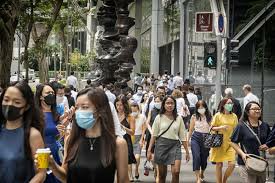
Singapore, a vibrant city-state located in Southeast Asia, is renowned for its remarkable cultural diversity and harmonious coexistence among its people. As a melting pot of various ethnicities, religions, and languages, Singapore stands as a shining example of multiculturalism and unity. In this blog, we delve into the tapestry of Singapore’s people, exploring their unique traditions, values, and contributions to the nation’s rich heritage.
1. Ethnic Diversity:
Singapore’s population comprises primarily four major ethnic groups: Chinese, Malay, Indian, and Eurasian. Each group brings its own customs, languages, and cultural practices, contributing to the nation’s diverse fabric. The Chinese form the largest ethnic community and have deeply influenced Singapore’s cultural landscape with their traditions, festivals (such as Lunar New Year), and cuisine. The Malays, with their rich heritage and traditions, celebrate events like Hari Raya Puasa, while the Indians contribute their vibrant festivals like Deepavali and Thaipusam. The Eurasians, a fusion of European and Asian ancestry, add a unique dimension to Singapore’s multiculturalism.
2. Harmony in Diversity
One of Singapore’s greatest strengths lies in the harmonious coexistence of its various ethnic communities. The government’s emphasis on racial harmony has fostered a sense of inclusivity and understanding among its people. The Ethnic Integration Policy promotes a balanced racial mix in public housing, ensuring diverse neighborhoods where different ethnic groups can interact and learn from one another. This cohesion is also evident in the workplaces, schools, and social gatherings, where Singaporeans embrace diversity and appreciate the contributions of each ethnic group.
3. Language and Communication:
Singaporeans are multilingual, reflecting the linguistic diversity of the nation. English is the primary language used for official and administrative purposes, while Malay, Mandarin Chinese, Tamil, and various dialects (such as Hokkien, Cantonese, and Teochew) are also widely spoken. This linguistic adaptability allows Singaporeans to communicate effectively within their communities and across ethnic lines, promoting better understanding and cultural exchange.
4. Strong Work Ethic and Education
Singaporeans are known for their strong work ethic and pursuit of academic excellence. Education plays a vital role in the lives of Singaporeans, with a highly regarded education system that emphasizes critical thinking, creativity, and holistic development. The nation’s emphasis on education has propelled Singapore to become a global hub for innovation and technology, producing a highly skilled workforce that contributes to its economic success.
5. Food: A Culinary Paradise:
Singaporeans are passionate about food, and the local cuisine is a testament to the nation’s multicultural heritage. Hawker centers, food courts, and restaurants offer a wide array of dishes, blending flavors from various cultures. Whether it’s the aromatic spices of Indian curries, the fiery delights of Malay cuisine, the savory delights of Chinese dishes, or the fusion creations of Peranakan cuisine, Singapore offers a gastronomic adventure like no other.
Conclusion:
Singapore’s people are the heartbeat of its multicultural society. Their shared values of harmony, resilience, and inclusivity have contributed to the nation’s success story. With their diverse backgrounds, languages, traditions, and contributions to various fields, Singaporeans embody the true essence of a multicultural society, demonstrating that unity in diversity is not just an ideal, but a thriving reality.
As Singapore continues to evolve and embrace new challenges, it is the strength of its people and their collective spirit that will propel the nation forward, building upon its rich cultural heritage and forging a vibrant future.
 !!! Explore Journey !!!