Discover the best restaurants, hotels, and things to do with this highly curated guide to the Holy City.
Charleston, South Carolina, has been named readers’ favorite U.S. city in our “World’s Best Awards” survey year after year for several convincing reasons. While the Southern port city is known for centuries-old cobblestones and horse-drawn carriages, its dynamism and forward momentum are apparent across all facets of the city — from its top-tier culinary feats to its ever-evolving roster of shops, museums, and must-see attractions.
Alongside abiding favorites and famous views — shopping on King Street, wandering down Rainbow Row, snagging a table at Fig or The Ordinary, venturing out to one of the nearby beaches — the city continuously boasts a variety of exciting openings and relative newcomers that quickly ingrain themselves in Charleston culture. Stop by Babas on Cannon for European-inspired dishes, an espresso, and maybe an aperitif or two. Classic southern Italian meets Lowcountry at Sorelle, an all-day restaurant, bar, and market spanning two stories of 88 Broad Street. Food tends to be a popular topic of conversation in Charleston
as the F&B scene is paramount for most visitors, but there’s plenty to do in between meals. When you’ve reached the point where you can’t fathom eating another bite, venture to neighboring Mount Pleasant, where you’ll find a curation of local art at Charleston Artist Collective and a stellar sunset overlooking Charleston Harbor from Pitt Street Bridge.
Whether you’re planning your first trip to Charleston or you, understandably, keep coming back to the Holy City, this T+L Charleston travel guide will help you get the most out of your visit — whenever you choose to go.
Best Time To Visit
Charleston attracts international and domestic tourists all year round, but you’ll find different weather, events, and downtown decor depending on the month you choose to visit.
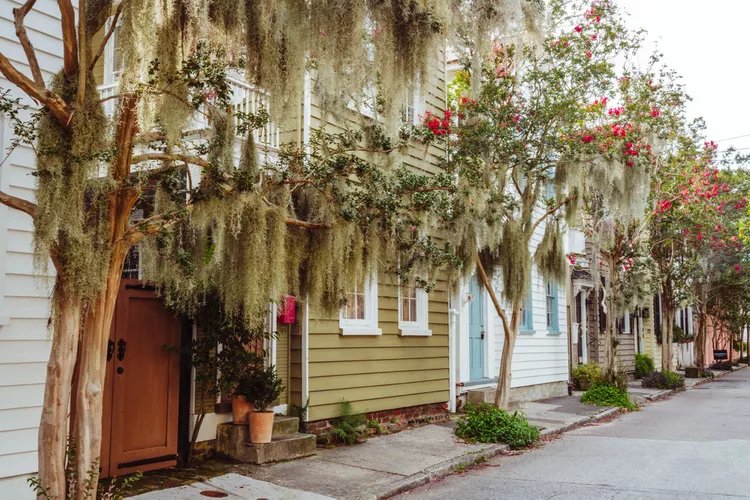
Rain is relatively common in spring, but it’s arguably one of the best times of the year in Charleston, with temperatures varying from 60 to 80 degrees and Southern blooms like wisteria, jasmine, and azaleas coming out in full force. The peak of wisteria season (“wisteria hysteria”) falls in mid-March, right after the Charleston Food + Wine Festival, where the Lowcountry shows off its diverse, world-renowned food culture on a larger stage.
culture on a larger stage. Charleston Jazz Festival happens in April, a month that also marks the opening of Charleston Farmers Market’s regular season in Marion Square. The beloved Festival of Houses and Gardens concludes mid-month, followed by Spoleto, a 17-day performing arts festival that takes over the city from late May to early June. If you’re headed to Charleston in the spring, just be prepared for crowds, traffic, lines, and hard-to-find parking.
Fall is also a popular time to visit Charleston, as the weather is defined by moderate days and crisp evenings. Oyster season begins in early October; and historic house tours return after a long, hot summer. Social media listings are your best tool for finding local oyster roasts, but you’ll need to purchase tickets in advance for the Preservation Society of Charleston’s Fall Tours. Choose from guided tours through private homes, self-homes, self-guided strolls through Charleston’s most beautiful gardens, or walking tours down the historic streets.
Winters in the Southeast are typically mild and occasionally rainy; temperatures rarely drop low enough for snow flurries. That said, December is a magical time in Charleston. Historic homes lining lower King, Meeting, Legare, Church, Broad, and South Battery Streets are dressed to the nines in breathtaking magnolia garland, cheerful wreaths, and flickering candles in the windows. The annual Holiday Festival of Lights, a three-mile driving tour through James Island County Park, is a favorite family-friendly activity in the evenings. February is the unofficial start of festival season, as Charleston sets up for the Southeastern Wildlife Exhibition (SEWE), a weekend celebration of all things outdoors—including art, sporting exhibitions, and the can’t-miss dock dog competition.
Although coastal breezes provide some relief, summer’s heat — think high 80s and low 90s — thunderstorms, and humidity make it less than ideal for tourism, but there are still a few reasons to visit Charleston in June, July, and August. Namely, the city’s access to sand and salt water. Just a 15 to 30-minute drive from downtown, Sullivan’s Island, Isle of Palms, and Folly Beach bring their own unique appeal to beach-goers. Add Kiawah Island to your summer beach bucket list if you’re prepared to drive a little further.
 !!! Explore Journey !!!