When you want the real scoop on the best places to go in Australia — and what to do while there — turn to the locals.
Australians will take any excuse to pack up and go. Whether it’s a school break, the festive season, or a long weekend, we love every opportunity to hit the road.
When this happens, you’ll find cities emptied and highways filled as locals migrate like geese to some hallowed turf they return to each year (think sun-kissed weatherboard beach houses brimming with memories of childhood summers or a favorite retreat in the country).
For many Australians, vacations are a chance to reconnect with the great outdoors, and thankfully, the Lucky Country has a rich variety of landscapes to explore year round, from colorful reefs to ochre deserts to powdered mountains. Throw in a healthy appetite and your favorite road trip playlist, and you’re set to experience Australia like a local.
Bondi to Bronte Coastal Walk, New South Wales
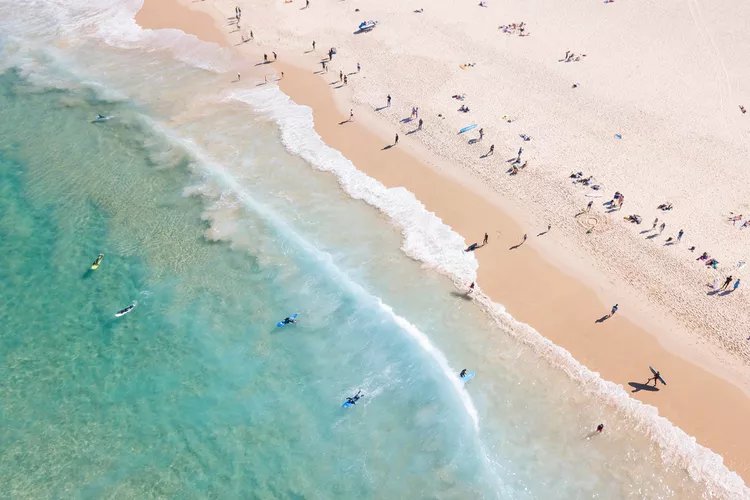
Australia is known for its gorgeous coastline, and no trip to Sydney is complete without a visit to the nearby shores. Start at Australia’s iconic Bondi Beach and stroll south toward Bronte, stopping along the way at the viewpoints and public parks to take in the stunning coastal scenery. Extend your scenic walk by following the path down to Coogee Beach, passing oceanfront saltwater pools, the picturesque Waverley Cemetery, and several golden-sand beaches along the way.
The walk from Ben Buckler Point past Bronte Beach to Waverley Cemetery takes about 90 minutes, but you could easily make this a half-day excursion if you take your time and grab a drink or bite along the way.
Bright, Victoria
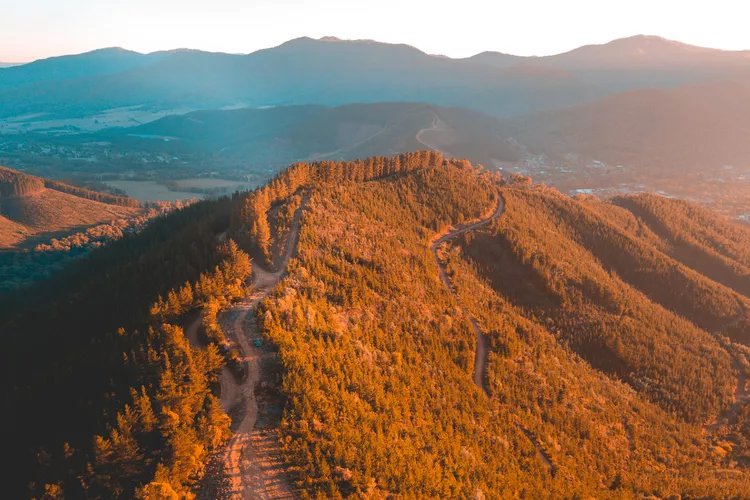
Hidden in the mountainous folds of Victoria’s high country, just a four-hour drive northeast of Melbourne, Bright feels like something of a revelation. Set in a pine forest valley on the banks of the Ovens River, the town is a charming perennial favorite among local vacationers.
In the summer, kids flood the water playground by the river and gold panners sit along the water’s edge hoping to uncover remnants of the region’s prospecting past. Thrill-seekers can hike or mountain bike on nearby Mount Feathertop and Mount Beauty, while gastronomes can either lazily pick their way through weekend markets brimming with fresh produce or pop on a helmet and pedal between cellar doors.
Hidden in the mountainous folds of Victoria’s high country, just a four-hour drive northeast of Melbourne, Bright feels like something of a revelation. Set in a pine forest valley on the banks of the Ovens River, the town is a charming perennial favorite among local vacationers.
In the summer, kids flood the water playground by the river and gold panners sit along the water’s edge hoping to uncover remnants of the region’s prospecting past. Thrill-seekers can hike or mountain bike on nearby Mount Feathertop and Mount Beauty, while gastronomes can either lazily pick their way through weekend markets brimming with fresh produce or pop on a helmet and pedal between cellar doors.
Bruny Island, Tasmania
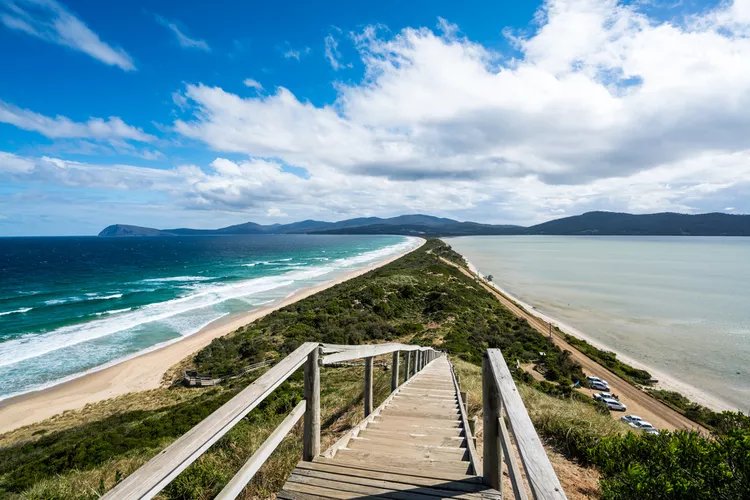
Seemingly huddled into the Tasmanian mainland against the elements, rugged Bruny Island punches well above its weight for its size. Blessed with fertile soils and cold, clean waters, the island has played a significant role in Tasmania’s reputation as a foodie haven, with a constellation of wineries, chocolateries, and oyster farms that attracts hungry locals.
Those who prefer a taste of adventure instead should indulge in the island’s network of hiking trails and lookouts, such as The Neck and South Bruny National Park. Keen-eyed visitors will spot fur seals lolling about on beaches, as well as humpback whales making their annual migrations to and from Antarctica. If you time your visit right, on a clear night in the winter, you might also see one of the island’s other hidden secrets: the aurora australis — also known as the Southern Hemisphere’s answer to the northern lights — shimmering on the horizon.
Katoomba, New South Wales
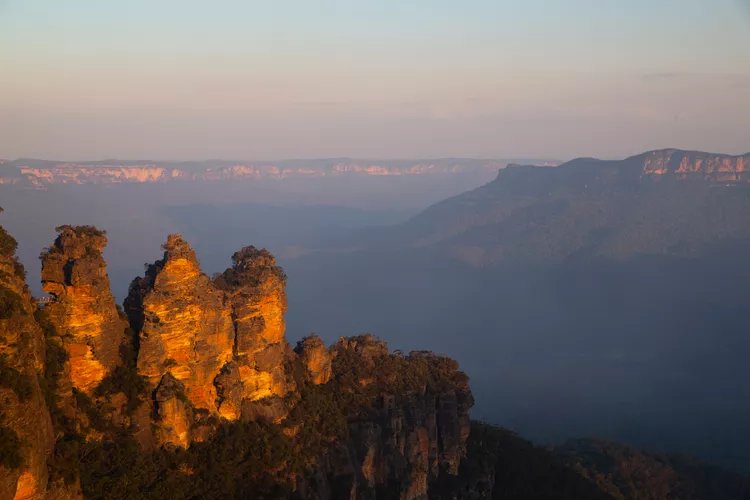
Located just 90 minutes west of Sydney, Katoomba is the eucalyptus-fringed heart of the Blue Mountains, a World Heritage range that draws Australians wanting to escape to the bush while eschewing tentpoles and swags in favor of luxury hotels.
Naturally, hiking and the great outdoors are the main attractions here — especially the Three Sisters rock formation and the Jenolan Caves, an extensive network of underground caves whose acoustics lend themselves to monthly cave concerts. Across the Blue Mountains are cultural sites important to the Gundungurra people, including songline storytelling trails and cave paintings dating back 1,600 years. The region is also a popular wellness retreat, with locals indulging in pampering at a day spa or yoga class at the Kurrara Historic Guest House.
Occasionally, the mountain range receives snow in the winter, which is all we need to throw a Christmas in July festival, complete with log fires, sing-alongs, and special, yuletide-themed menus in Katoomba’s restaurants.
Esperance, Western Australia
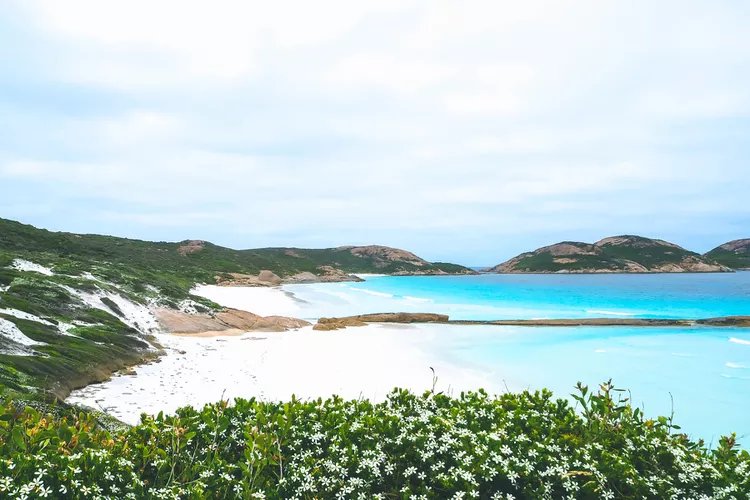
At first glance, you might expect Esperance to be on a postcard from Queensland, thanks to the kangaroos skipping across pristine white-sand beaches. But here’s the catch: Esperance is actually along Western Australia’s southern coastline, and it’s still relatively undiscovered, due to its remote location (about a day’s drive or a 90-minute regional flight from the nearest city, Perth).
This means the locals have been able to enjoy Esperance all to themselves, only sharing the beaches with sunbathing kangaroos. It’s the kind of place where kids grow up searching for crabs in rock pools on one of the hundreds of uninhabited islands, or spend long days in the surf before returning, salty-haired, to camp for a sunset barbecue. Australians have always loved offbeat things, which is why you’ll find some oddities nearby, including the luminously pink Lake Hillier, remnants of the NASA space station that crashed here 40 years ago, and an inexplicably out-of-place full-scale replica of Stonehenge.
 !!! Explore Journey !!!