Do your research: Before you travel, research your destination thoroughly. Learn about the culture, customs, language, and local laws. This will help you avoid any cultural misunderstandings and ensure that you have a more authentic experience.
Pack light: Try to pack only what you need and avoid overpacking. This will make it easier to move around and reduce the risk of losing your luggage.
Stay hydrated: It’s important to stay hydrated when traveling, especially if you’re in a warm climate or at high altitude. Make sure to drink plenty of water throughout the day.
Bring a power bank: You never know when you might need to charge your phone or other devices on the go. A portable power bank can be a lifesaver when you’re traveling.
Carry cash and cards: It’s always a good idea to have a mix of cash and credit cards when traveling. Some places may not accept cards, and others may have limited ATM access. Be sure to carry some local currency as well.
Take care of your health: Travel can be tiring, so it’s important to take care of your health while on the road. Get plenty of rest, eat well, and stay active. Consider getting travel insurance to cover any unexpected medical expenses.
Keep copies of important documents: Make copies of your passport, travel itinerary, and other important documents. Keep them in a separate location from the originals in case of loss or theft.
Be respectful of local customs: When traveling to a new place, be respectful of local customs and traditions. This includes dress codes, behavior in public places, and respecting religious or cultural sites.
Stay connected: Keep your loved ones back home informed of your whereabouts and travel plans. This will give you peace of mind and help them stay updated in case of emergency.
Have fun and be open-minded: Finally, remember that travel is all about having fun and experiencing new things. Keep an open mind, try new foods, and embrace the local culture. Enjoy your trip!
Plan ahead: Make sure to plan ahead when booking your trip, especially when it comes to transportation and accommodations. This can save you time and money, and ensure that you have a comfortable and hassle-free trip.
Learn basic phrases in the local language: Learning a few basic phrases in the local language can go a long way in making connections with locals and showing respect for their culture. Start with greetings, thank you, and asking for directions.
Pack a small first-aid kit: A small first-aid kit with essentials like band-aids, pain relievers, and anti-diarrhea medication can come in handy when traveling. It’s also a good idea to carry any prescription medication with you.
Keep an open mind: One of the most rewarding aspects of travel is experiencing new cultures and ways of life. Keep an open mind and be willing to try new things, even if they’re outside your comfort zone.
Stay safe: While it’s important to have fun and enjoy your trip, safety should always be a top priority. Be aware of your surroundings, avoid risky behavior, and take precautions to protect your valuables. It’s also a good idea to have a backup plan in case of emergency
“Believing in the Journey: A Motivational Story of Perseverance and Success”
Once upon a time, there was a young woman named Sarah who dreamed of becoming a successful entrepreneur. She had big ideas, a strong work ethic, and a deep passion for her craft. But as she began her journey, she quickly realized that the road ahead was not an easy one.
Sarah faced countless challenges and setbacks along the way. She struggled to get her business off the ground, faced rejection from potential investors, and experienced moments of self-doubt and uncertainty. But despite these obstacles, she refused to give up on her dreams.
One day, Sarah stumbled upon a quote that would change her life: “The journey of a thousand miles begins with a single step.” This simple but powerful message inspired her to keep moving forward, one step at a time.
With renewed determination, Sarah began to tackle each challenge with a fresh perspective. She learned to see setbacks as opportunities for growth, and she never lost sight of her ultimate goal. She poured her heart and soul into her work, and slowly but surely, her business began to take off.
Along the way, Sarah learned some valuable lessons about life and success. She learned that the journey of life is not always easy, but that every challenge is an opportunity for growth. She learned that success is not just about achieving a goal, but about the journey itself, and the person you become along the way.
Most importantly, Sarah learned that the most important thing you can do in life is to believe in yourself. She realized that she had the power to make her dreams a reality, as long as she stayed focused, worked hard, and never gave up.
Years later, Sarah looked back on her journey with a sense of pride and gratitude. She knew that her success was not just a result of her own hard work, but also the support and encouragement of those around her. And she knew that the journey of life was a never-ending adventure, filled with challenges, triumphs, and endless opportunities for growth.
In conclusion, the journey of life is not always easy, but it is always worth it. By staying focused, believing in ourselves, and taking one step at a time, we can overcome any obstacle and achieve our greatest dreams. So let’s embrace the journey of life with open hearts and open minds, and let’s make the most of every moment along the way.
LIFE JOURNEY
Explore Life’s Journey.

Life is a journey, and like any journey, it has its ups and downs. Sometimes the path is clear, and we know exactly where we are going, while other times, we feel lost and uncertain. But no matter where we are in our journey, there is always something to be learned and explored.
Exploring the journey of life is about more than just reaching a destination. It’s about embracing the experiences, both good and bad, and learning from them. It’s about discovering who we are, what we value, and what we want out of life. And it’s about taking risks, facing challenges, and growing as individuals.
The journey of life is unique for everyone. We all have our own paths to follow, our own obstacles to overcome, and our own goals to achieve. Some people may choose to follow a traditional path, while others may blaze their own trail. But no matter what path we choose, there is always room for exploration and growth.
One of the most important aspects of exploring the journey of life is staying curious. Curiosity is what drives us to try new things, meet new people, and learn about the world around us. It helps us stay open-minded and receptive to new experiences, and it keeps us from becoming complacent or stagnant.
Another important aspect of exploring the journey of life is embracing change. Change is inevitable, and it can be scary and overwhelming at times. But it is also a necessary part of growth and progress. When we embrace change, we open ourselves up to new opportunities and experiences, and we learn to adapt to the challenges that life throws our way.
Finally, exploring the journey of life is about finding joy and meaning in the little things. It’s about appreciating the beauty of nature, the warmth of a smile, the comfort of a hug, and the laughter of friends and family. It’s about recognizing the blessings in our lives and being grateful for them.
In conclusion, exploring the journey of life is a lifelong process. It requires us to stay curious, embrace change, and find joy and meaning in the little things. It’s not always an easy journey, but it is a rewarding one. And no matter where we are in our journey, there is always something to be learned and explored. So let’s embrace the journey of life and make the most of every moment.
Explore Journey

In the stillness of the night,
When the world is fast asleep,
And the stars shine bright,
Their secrets they keep.
The moon casts a soft glow,
And the silence is serene,
As the world below,
Lies in a peaceful dream.
The trees stand tall and still,
Their branches reaching high,
As the wind blows with a chill,
Underneath the starry sky.
In this moment of solitude,
I feel a sense of peace,
As my worries and troubles,
Slowly start to release.
For in the stillness of the night,
I find a sense of clarity,
As I let go of my plight,
And embrace the beauty of simplicity.
So let the night be your guide,
And let its stillness soothe your soul,
For in this moment you’ll find,
A sense of peace and control.
CHAKAN FORT IS MOST BEAUTIFUL PLACE
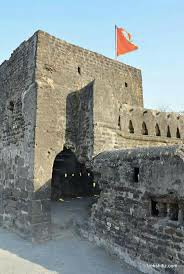
Today I am talking with Beautiful Chakan fort located near in Pune District in Maharashtra Chakan fort is most tourist visiting place & most attraction of people Chakan fort is most oldest fort How Can go to visit
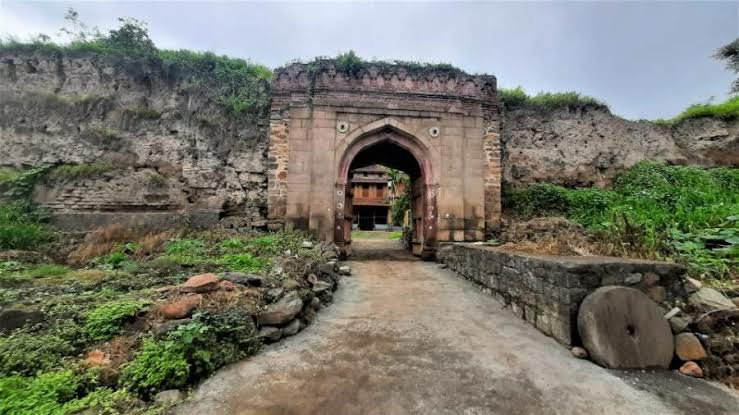
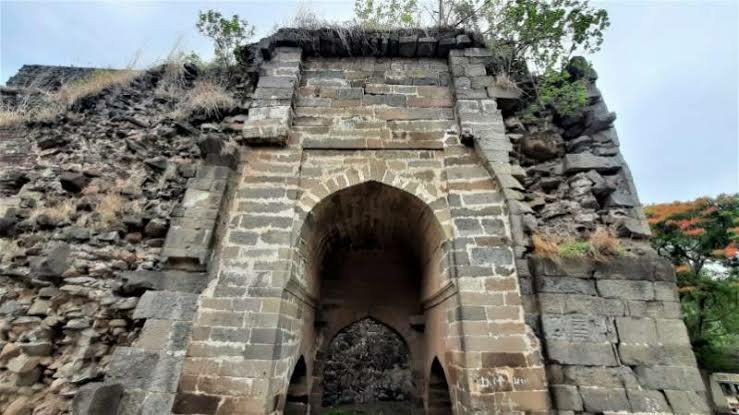
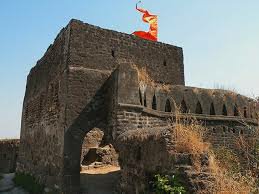
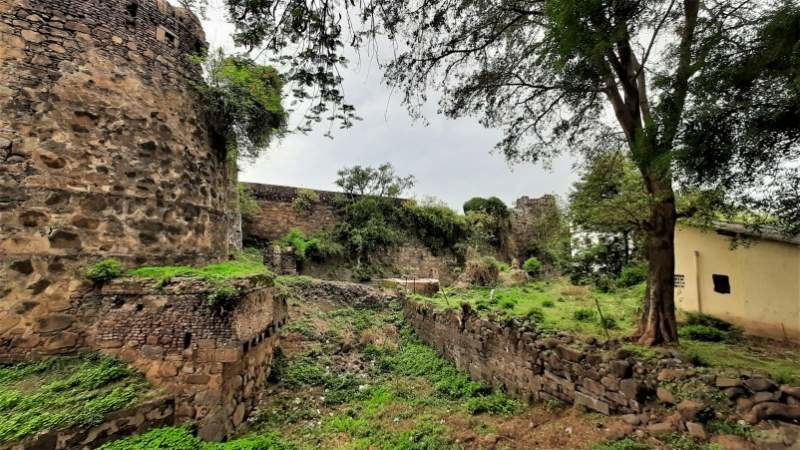
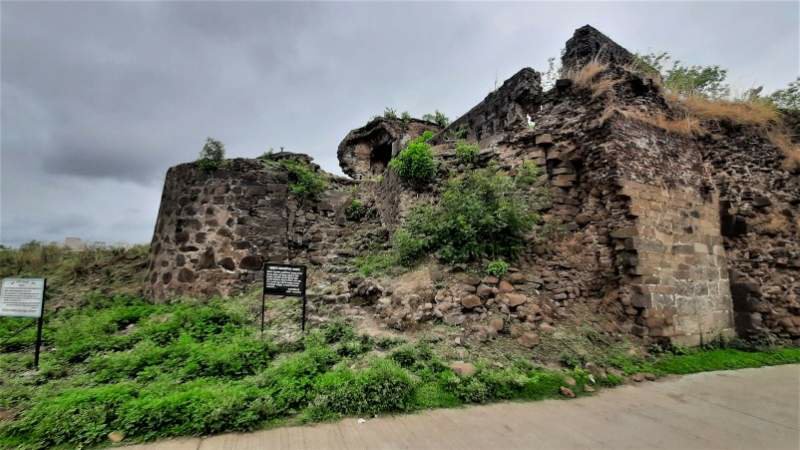
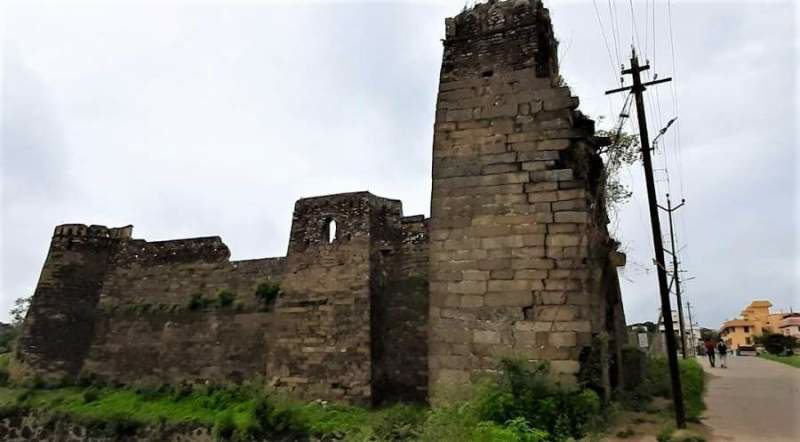
Chakan fort is also called Sangram Durg. Chakan fort is 30 kilometers away from Pune. It is a Bhuikot fort located in Chakan, Nowadays, this fort has been completely destroyed
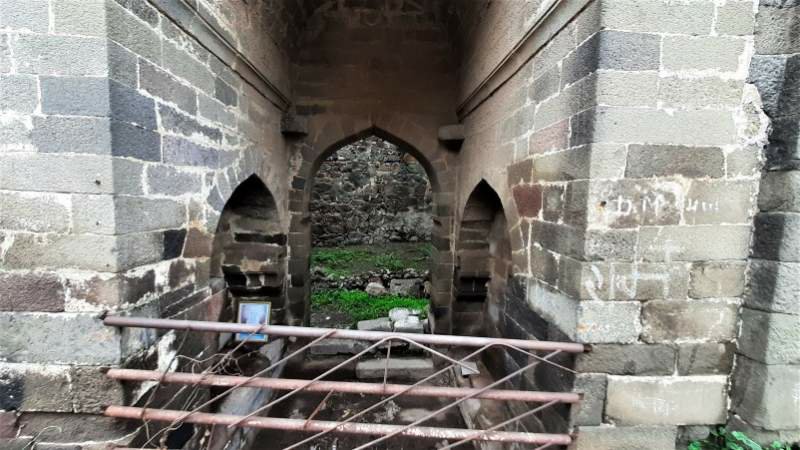
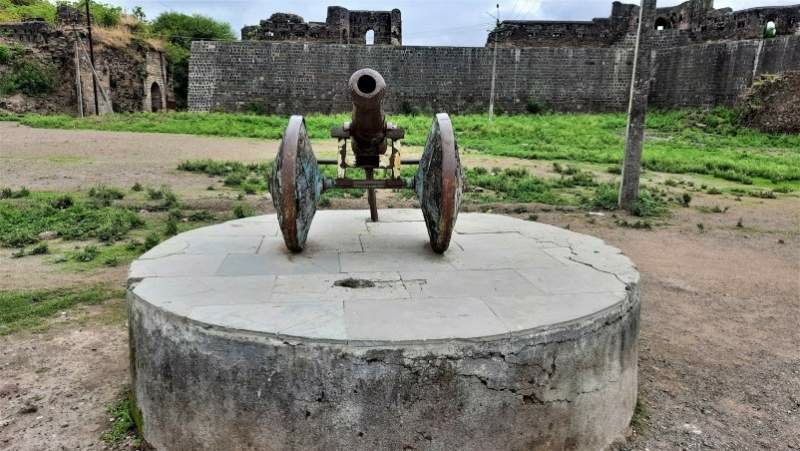
There are only a few walls left, A road is passing between the fort, which divides the fort into two parts. There is a temple and an adjacent mosque in the vicinity of this fort, and there is a small cannon kept in front of the temple. This fort is famous and known for the battle of Chakan.
History of Chakan Fort
The chakan fort name is Sangramdurg. It was spread around 65 acres now this fort remains in just 5.5 acres. Earlier Chakan fort comes under the Bahmani sultanate of Ahmadnagar. In 1595 this fort was given to Shivaji grandfather Maloji Bhosle by Bhadur shah of Ahmadnagar. In 1648 Firangoji Narsala appointed killedar of this fort and it was the part of Maratha empire.
Battle of Chakan
The Battle of Chakan was fought between the Maratha Empire and the Mughal Empire in 1660. The battle was actually fought between the Mughal General Shaista Khan and the fortified Firangoji Narsala. Shaista Khan came to rule the Deccan on behalf of Aurangzeb. The Aurangzeb had got Deccan from Adil Shahi according to a treaty. Shaista Khan made Chakan fort his first target before invading Pune.
Shaista Khan laid siege to this fort with 20000 troops on 23rd June 1660. At that time, there were only 800 Maratha soldiers inside the fort. Shaista Khan was overconfident and thought he will win the fort very quickly as the Maratha soldiers were very few in numbers, but it did not happen.
The Maratha soldiers defending with the Mughals for approx. 2 months. 3000 to 5000 Mughal soldiers were killed in the battle of Chakan and around 500 Maratha soldiers were killed on the other side.
The Maratha soldiers defending with the Mughals for approx. 2 months. 3000 to 5000 Mughal soldiers were killed in the battle of Chakan and around 500 Maratha soldiers were killed on the other side.
After the battle of Chakan , Mughal general Shaista Khan praised the bravery of Firangoji Narsala and Asked to join Mughal infantry but Firangoji Narsala turned down his offer. By seeing Firangoji Narsala’s loyalty Shaista Khan set him free. Shivaji Maharaj was very pleased with his bravery and made him the commander of Bhupalgad fort.
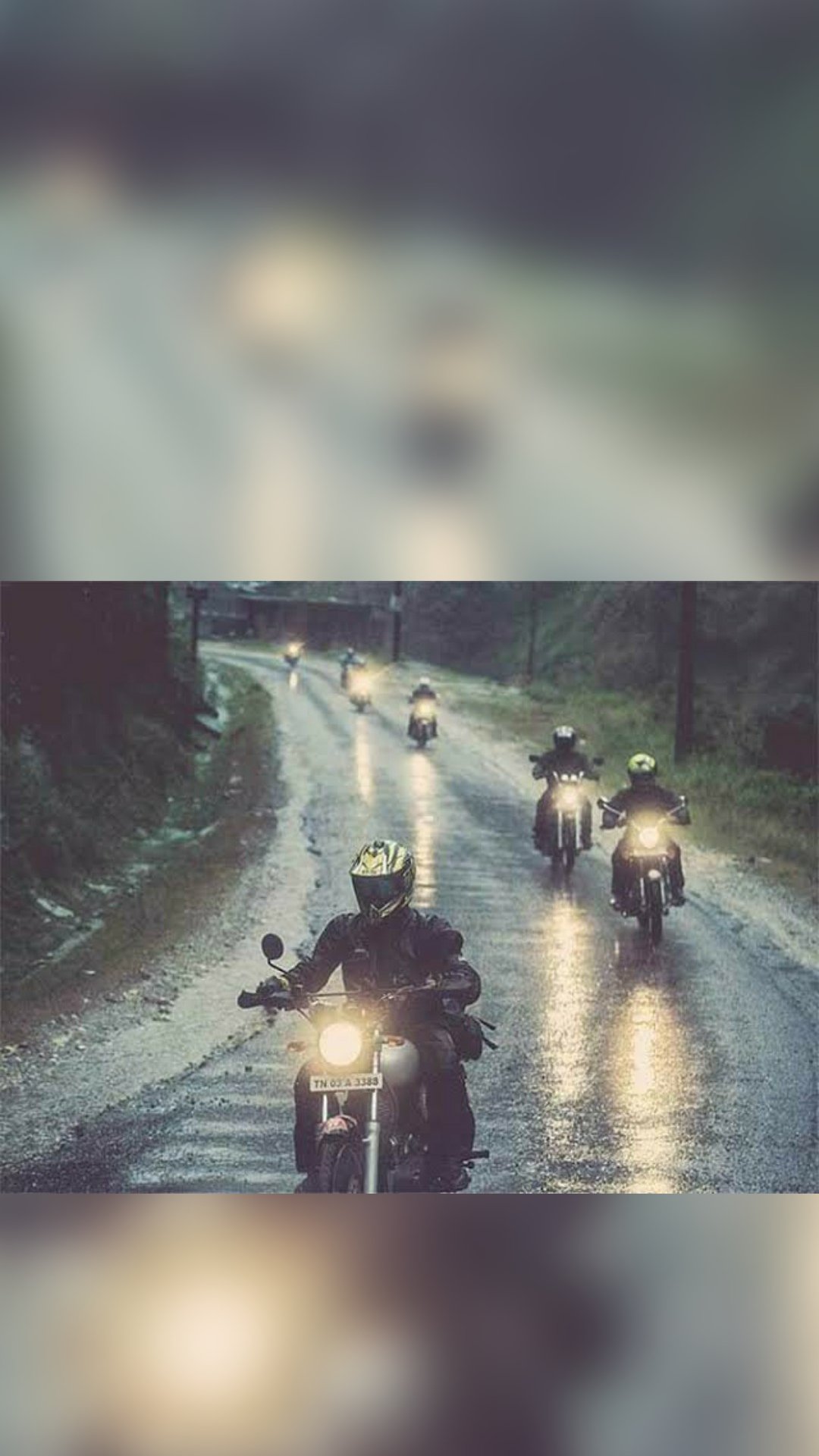
You’re going on a cross-country trip. Airplane, train, bus, car, or bike?
No I am not going anywhere
Tamhini Ghat Waterfall
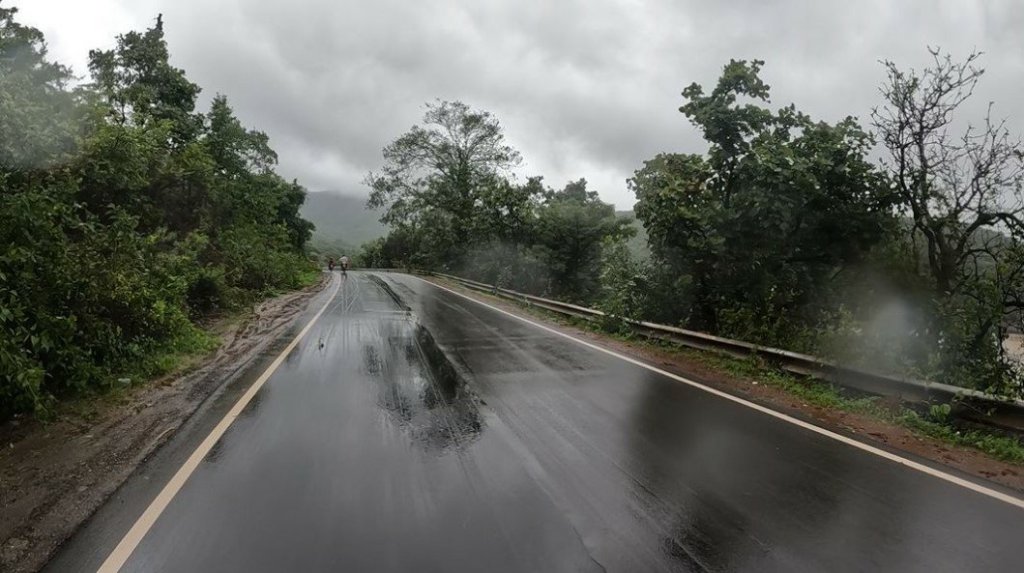
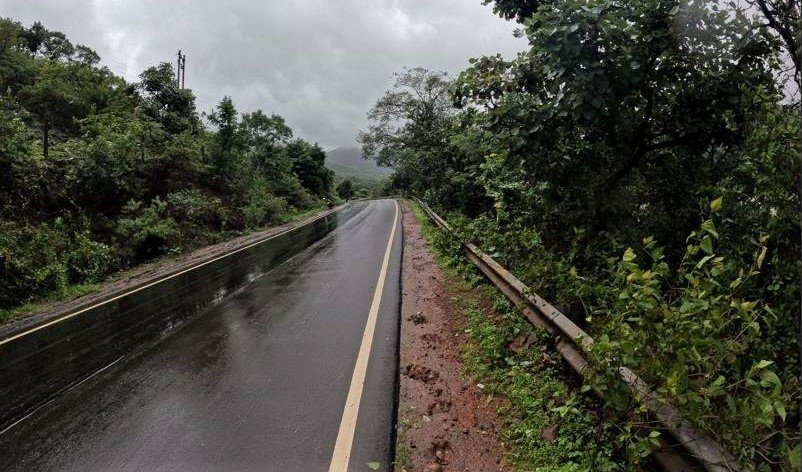
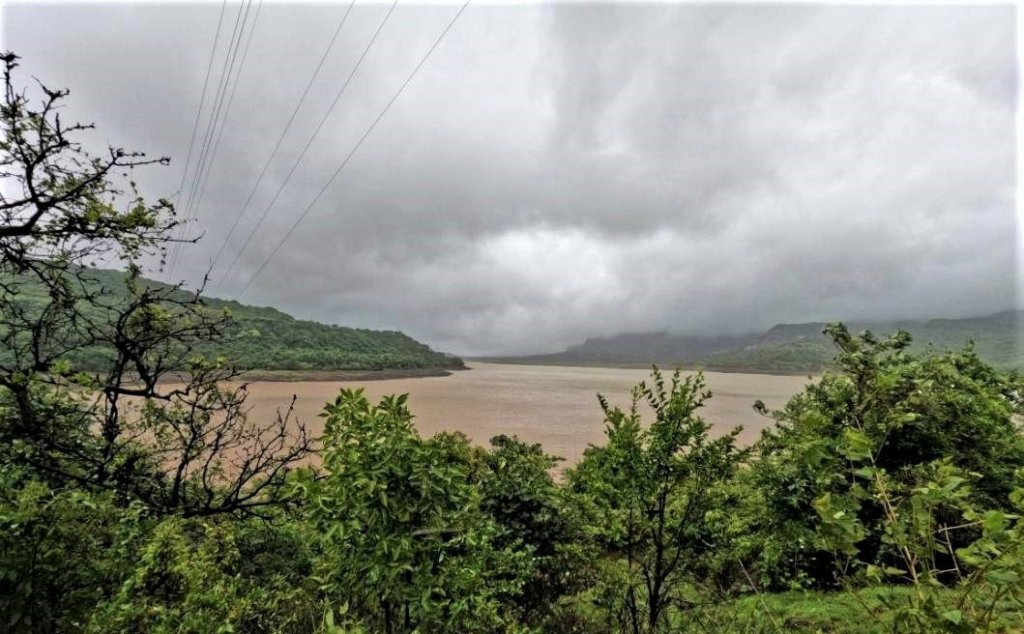
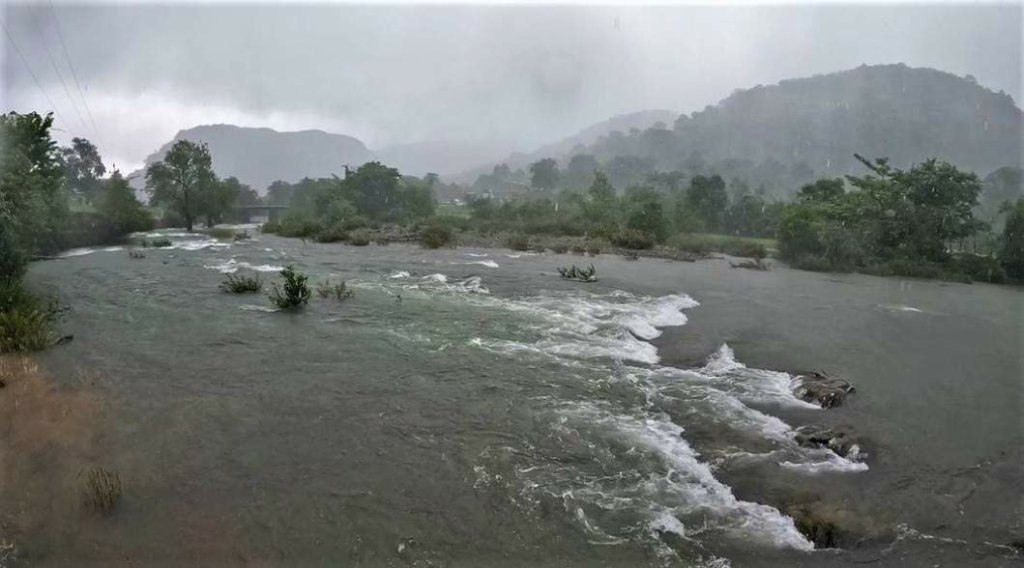
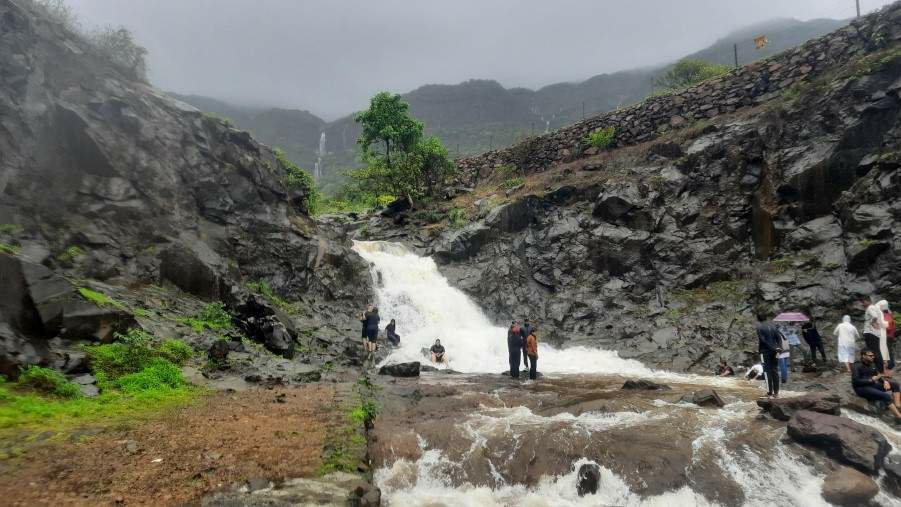
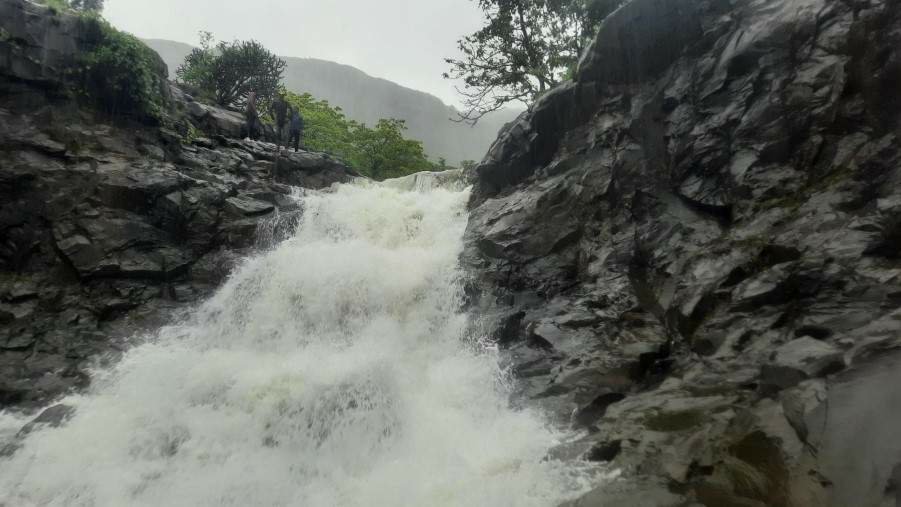
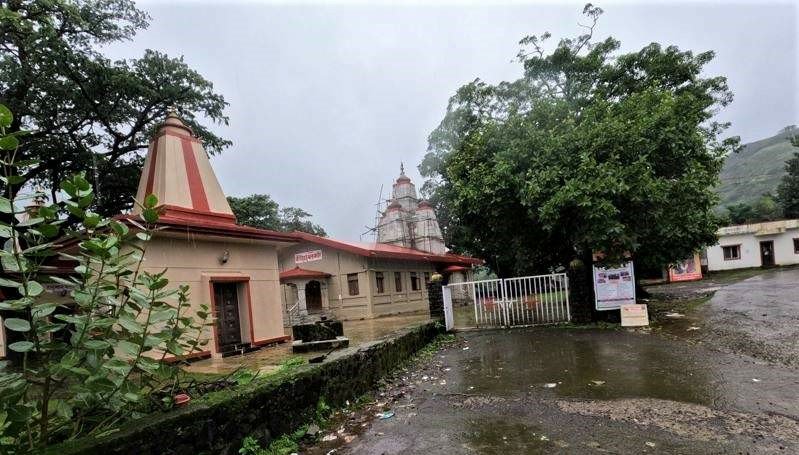
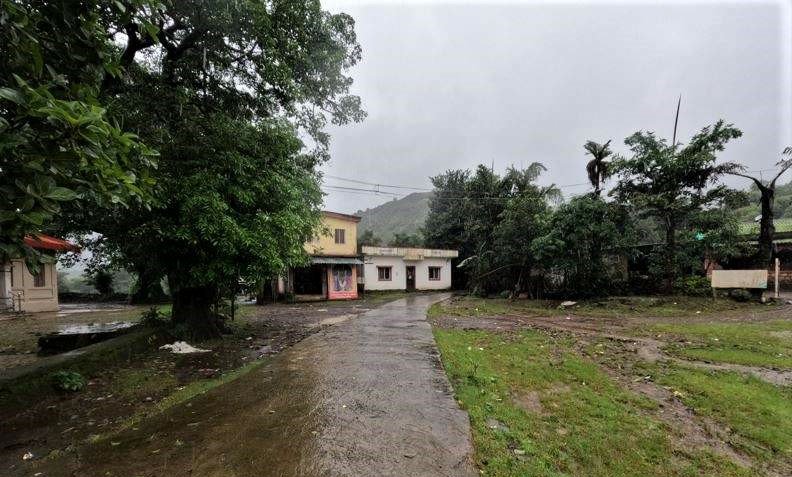
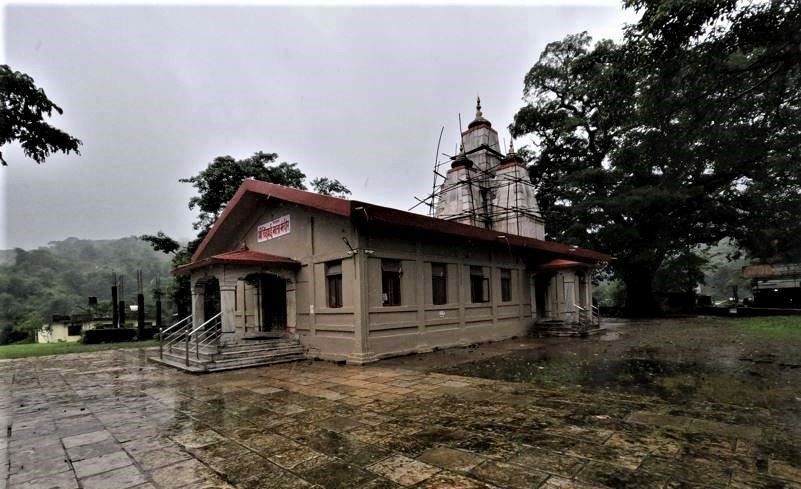
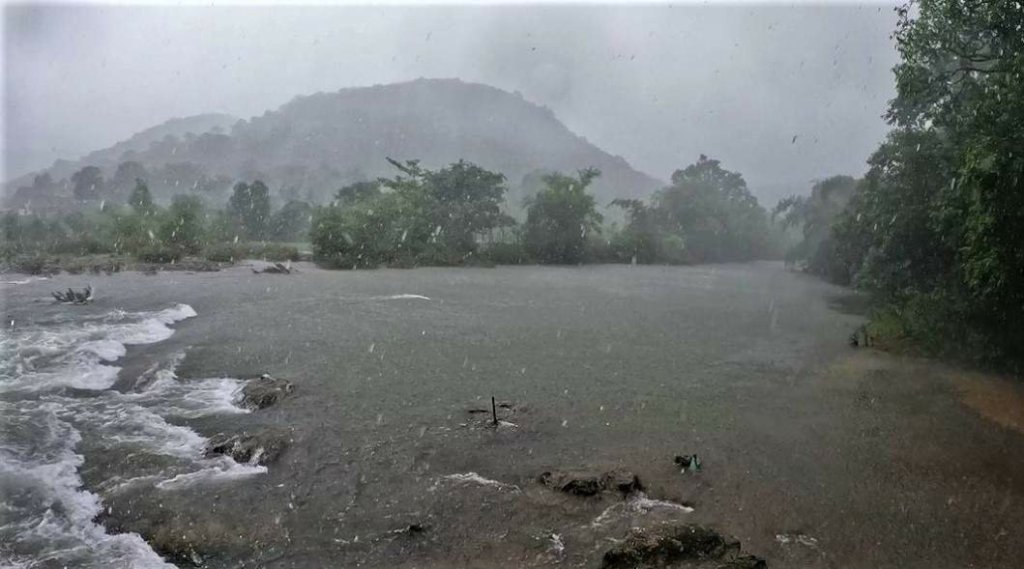
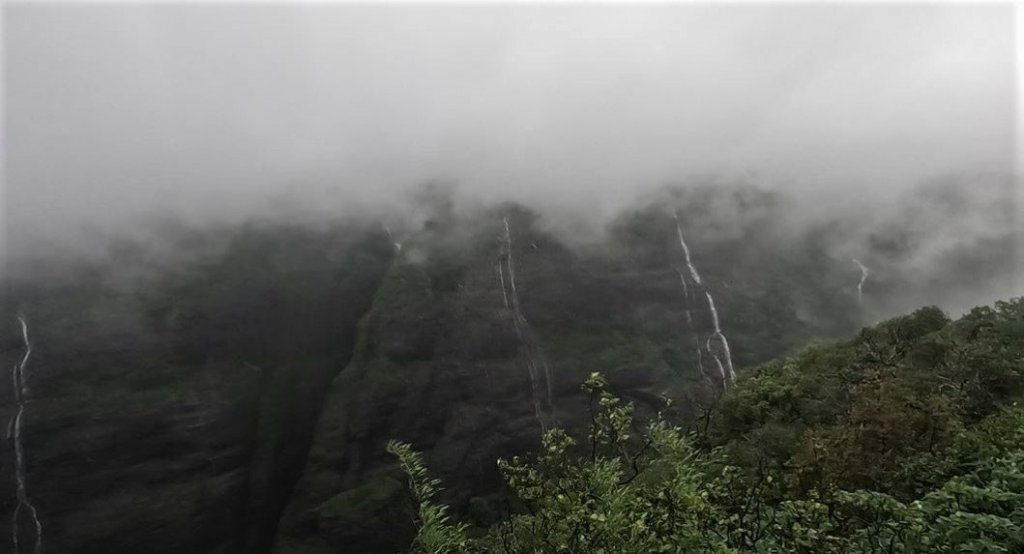
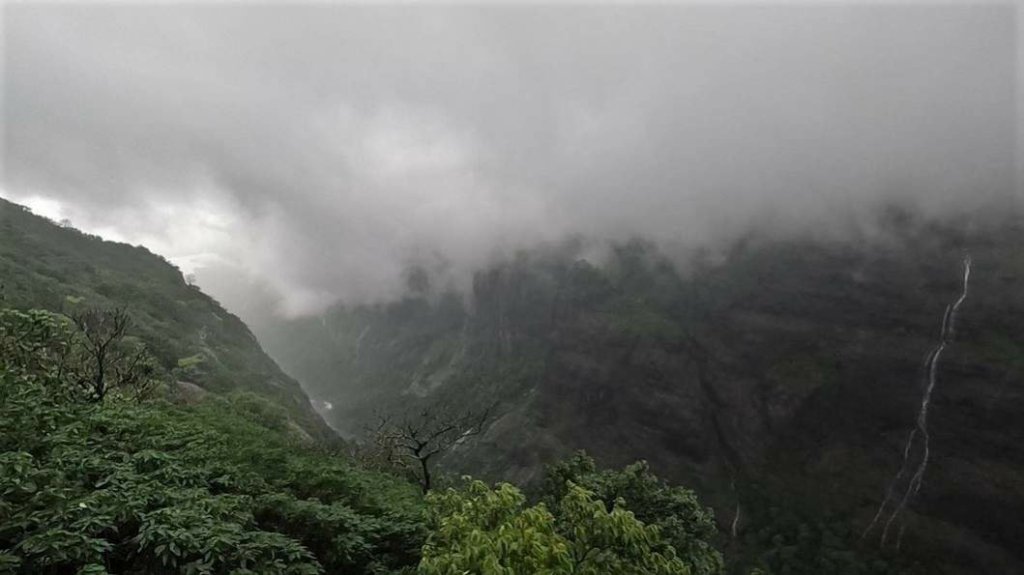
Tamhini Ghat Waterfall – After deciding a lot the day before our trip and searching the weather online, we found out that there is a red 🔴 alert in Pune, especially in Tamhini Ghat Mahad and Maval and one should not step
After deciding an hour, so when we felt that the rain is a bit on the lighter side we had our breakfast and packed a little stuff for the journey to capture Tamhini ghat waterfall, Mulshi dam backwater scenic view, and drive on Tamhini ghat road.
I was excited to capture some known Palase waterfall, Tamhini ghat waterfall, Tamhini village, Plus velly and Kundalika valley.
We left at around 9 am, and it was constantly raining after around 30 minutes of city traffic we crossed Hinjewadi phase 3 where the greenery started. Now just reached Pirangut then take a right turn towards Paund. The Road up and down can be felt. Just crossing Paud, we are moving towards Mulshi
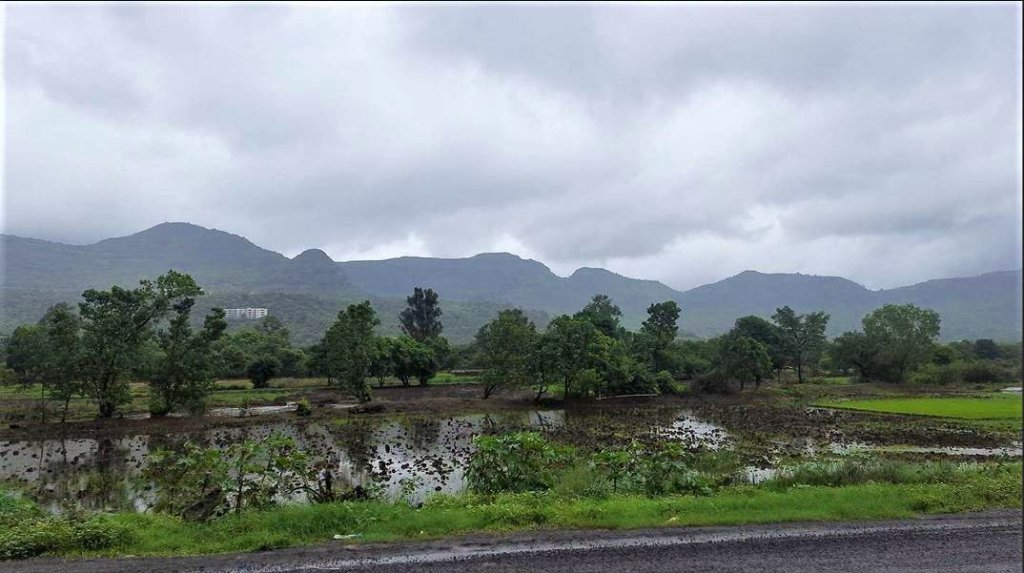
The first view of the road was so magnificent that I felt that I should stop the car immediately and take a few pictures over there, there was mountain and greenery everywhere after driving for half an hour the landscape changed completely where we see small villages, a few resorts in the heart of the lush greenery
I was so flabbergasted by the view that I can’t control myself and again stop the car and took a few pictures. The rainfall was constantly changing sometimes it’s slow sometimes fast but something that kept me happy was the view
At this point, I can see a few Tamhini Ghat Waterfalls in the mountains one side of Tamhini ghat road and the backwater of Mulshi Dam on the other side, and then after driving for just a few minutes I reached the Palase waterfall Point.
At Palase first I had tea on a roadside small Tea stall. I must say that the tea and maggie was very delicious over there One can also have vada pav and bhutta over there.
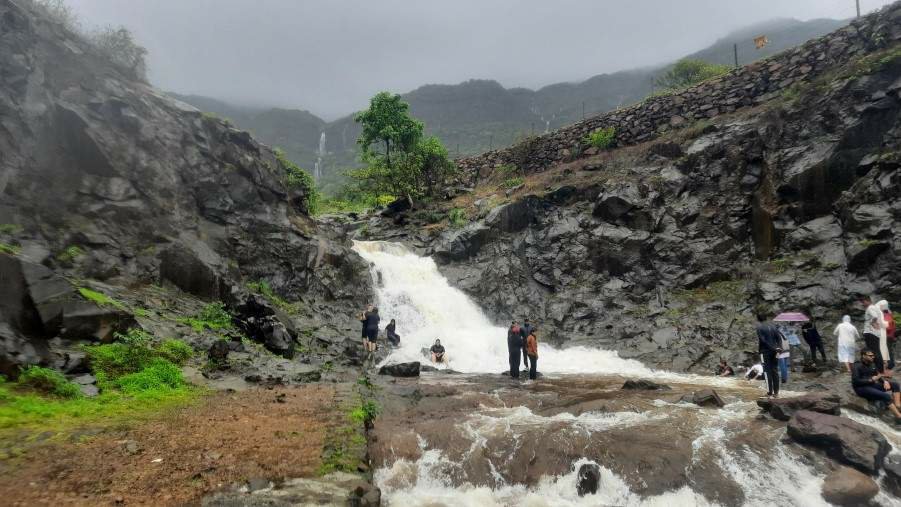
From there we start walking towards the first waterfall of Palase. it was very beautiful and a decent number of people was there, I could feel the small water droplets coming from the huge water stream of Palase waterfall.
tamhini ghat waterfall
The pressure of water was so much that it took me a minute to gather enough courage to cross that stream and go to the other side of the waterfall but once I stepped in, it felt quite nice I stepped in the waterfall the pressure was quite high, I took a lot of pictures. I explored two other hidden waterfalls above the palace waterfall. For a hidden waterfall, click here, Palase waterfall and hidden waterfallwaterfalls
After covering all three waterfalls I started my journey to the Tamhini village, the rain was at its peak and so was our excitement to see more waterfalls.
Tamhini Village
Around 6-7 km we found a good spot which I felt is picture-perfect and get a full view of the Mulshi Dam Backwater, I got some pictures clicked, after 5,6 km I reached Tamhini village from where the name Tamhini Ghat came.
I visited vijhai mata mandir, it was closed but still was very good and there was a stream of water flowing from the back of it, I stood there for a while as there were very less people and the view was very soothing.
After spending some time in the calmness of the Tahmini village I started my journey exploring more waterfalls. Again the rainfall was high.
After a few more kilometers I found a waterfall that was just near the road with less crowd and I visited it the water was very clear as compared to palase waterfall due to the single stream and I enjoyed the clear water.
Plus Velly
I was observing many more waterfalls on Tamhini ghat road. I reached the Plus valley and enjoyed the many more waterfalls in Tamhini Ghat. The plus valley always attracts trekkers for a night camping in the pleasant season. Infect, I had planned to drive till the end of Tamhini ghat at Kolad.
Kundalika Velly
Unfortunately, there is huge fog and rainfall, and unable to drive the vehicle safely. Due to the huge fog, we decided to go back. As I know from Nive village one road goes to Kundalika valley a spot near to Andharban trek start point and further goes to Lonavala. I visited Kundallika valley and capture the most amazing valley view near Pune.
Bhangarh: the most haunted fort in India
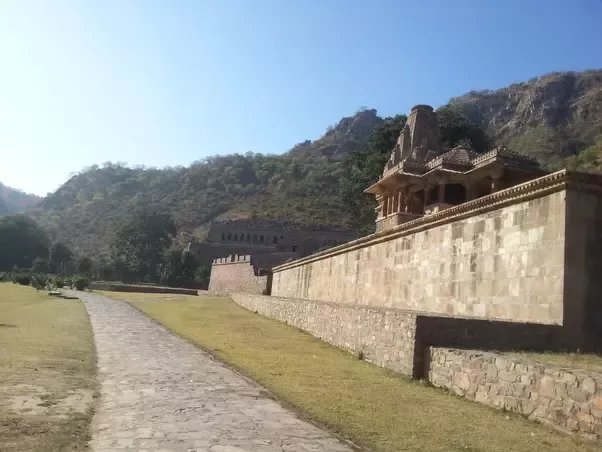
As we drove up to the fort of Bhangarh in Alwar district of Rajasthan, from the Sariska Tiger Reserve, we passed by the Ajabgarh fort. Since entry into Bhangarh is restricted after sunset, we were in a hurry. I didn’t climb up the Ajabgarh fort, but I explored its base. A local lad grazing sheep told me that there was nothing that I would be able to see from below except the four walls. If I had known its significance in the destiny of the fort I was going to, I would have made more of an effort.
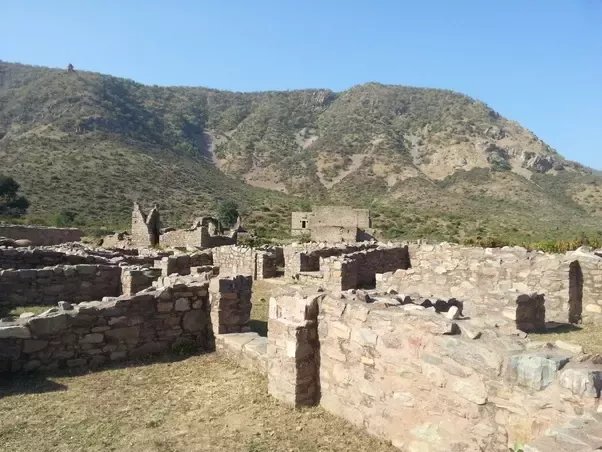
The drive to Bhangarh fort was eerie. We passed through a village that was ostensibly inhabited. The main road was lined with the ruins of once-beautiful havelis. Children were seated in front of intricately carved wooden doors that had large rusted locks
The Bhangarh fort was built by the Kachwaha ruler of Amber, Raja Bhagwant Singh, for his younger son Madho Singh in 1573 AD. Madho Singh’s brother was the celebrated Man Singh, who was Akbar’s general. Madho Singh was succeeded by his son Chatr Singh. It was Chatr Singh’s son Ajab Singh who built the fort of Ajabgarh.
Though it was midday, it seemed quite lonely, and a long walk, so we hired a local guide. Guides after all tell the most colourful tales and sensational gossip!
tantrik’s curse
The guide told us of the beautiful princess Ratnavati, who was the daughter of Chatr Singh. She was the jewel of Rajasthan. Ratnavati was much younger than her stepbrother Ajab Singh, and was as universally liked as he was disliked. Tales of her beauty and delightful temperament spread far and wide and she received many marriage proposals. A tantrik priest, who was well versed in black magic, fell in love with her. But knowing that he didn’t stand a chance with the beautiful princess, he tried to cast a spell on her. Seeing the princess’ maid buying perfume for her in the village, he cast a spell on it so that Ratnavati would fall in love with him. Ratnavati came to know of this and threw the bottle. It turned into a boulder and hit the tantrik. He was crushed under its weight, but before he died, he cursed the princess, her family, and the entire village. The next year, a battle was fought between the forces of Bhangarh and Ajabgarh, which led to the death of Ratnavati and most of the army.
The guide solemnly told us that it was due to this curse that no one in the village or fort could be reborn; it is forever condemned to desolation and is inhabited by ghosts. If any villager tries to build a roof, it apparently mysteriously collapses.
We were told another story too. Apparently there was a sadhu, Guru Balu Nath, living on top of the hill on which Raja Bhagwant Singh built the fort. His only condition for letting the fort be built there was that it should never cast a shadow on his dwelling. This condition was honoured by all except Ajab Singh, who added columns to the fort that cast a shadow on the ascetic’s house. The angry sadhu’s curse led to the ruin of the fort and the surrounding villages. A small stone hut, known as tantrik ki chatri, overlooks the fort.
The truth seems to be that after Chatr Singh’s death, since Ajab Singh had already established a new fort, the population of the area dwindled. A famine in 1783 forced the remaining villagers to seek new avenues. In 1720, Raja Jai Singh, grandson of Man Singh, attached Bhangarh to his estate.
Inside the fort
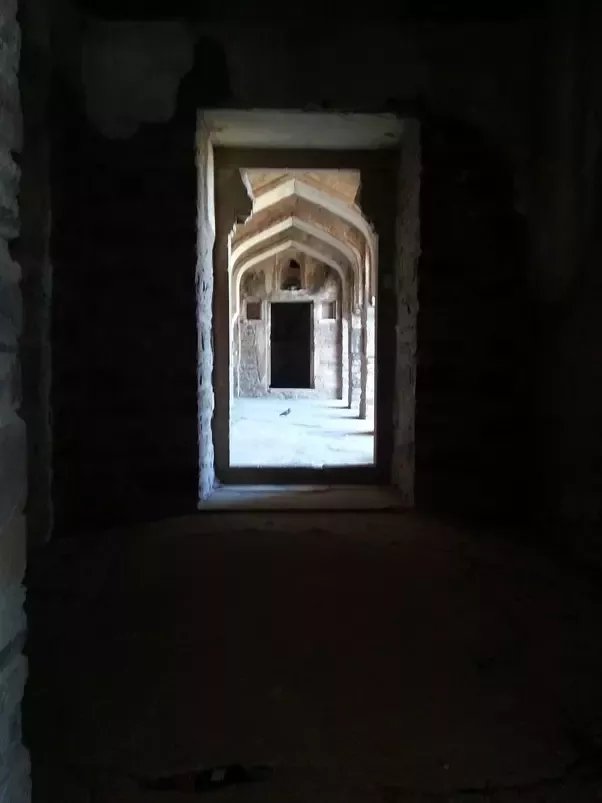
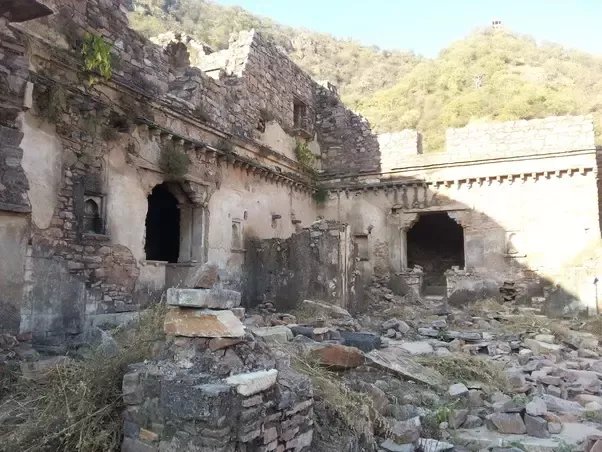
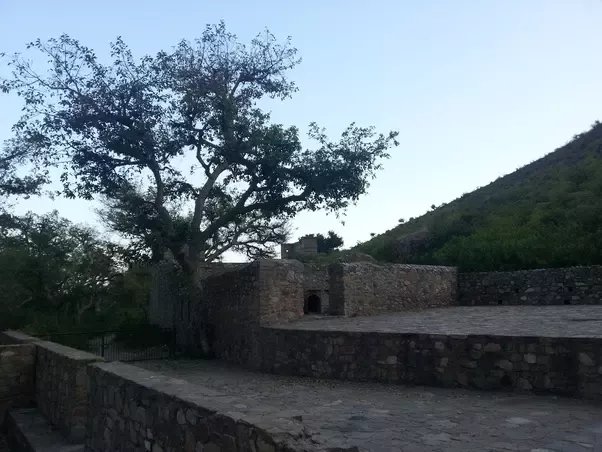
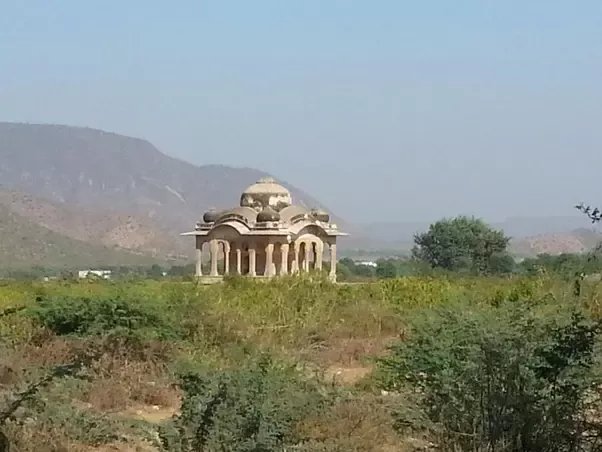
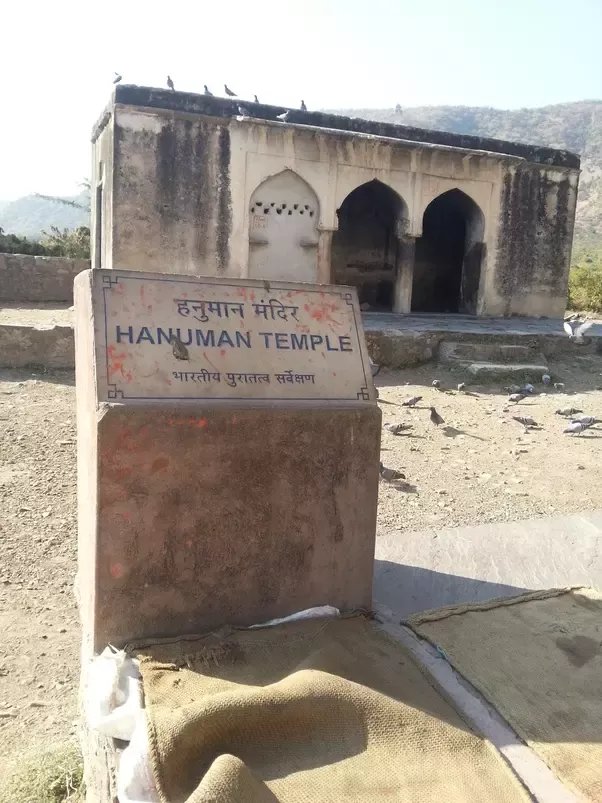
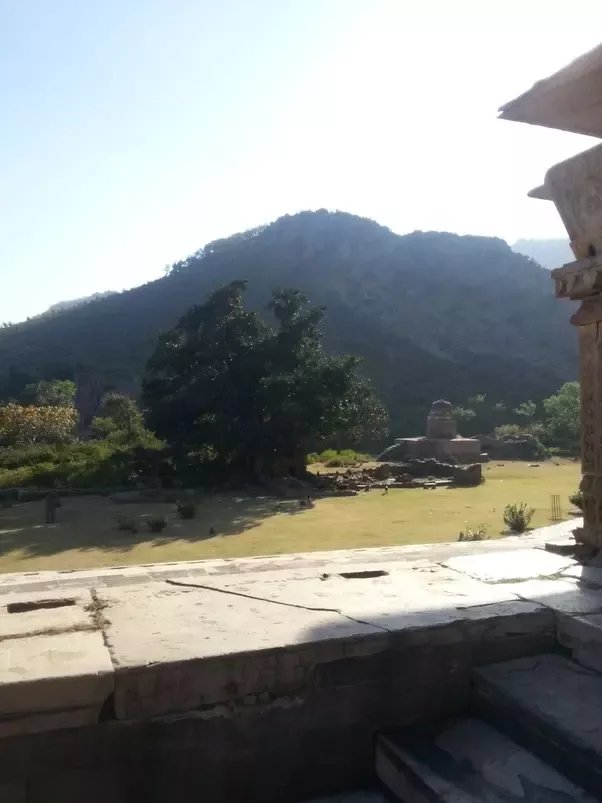
By the time we were regaled with these stories, we had walked through a long road lined on both sides with ruins. These were the jauhri bazaars, houses of dancing girls ( Nachni ki Haveli ), the guide said. There were also some magnificent banyan trees. We entered the impressive gateway to see the fort. Even though the fort was in ruins, it had three grand storeys to be explored. The Someshwara temple at the side, with its beautiful stepwell, was serene. We paid our respects there before climbing up to the fort. The steps and the top of the fort are littered with broken columns, stones, and a forlorn-looking carved niche, which perhaps held Ratnavati’s toilette. The walls inside the temple are intact.
Entry into Bhangarh is prohibited between sunset and sunrise. It is ranked the most haunted fort in India. However, the local guards denied having ever seen any paranormal activity there.
I don’t know if the fort is haunted, but it truly deserves the title of hauntingly beautiful
HERE IS SOME REAL LOCAL PEOPLE TOLD STORIES .
What are some of the real stories of Bhangarh?
Haunted stories of Bhangarh Fort
I also wonder if these stories are true or not or just hyped.
What are some interesting stories or real life experiences of those who have visited The Bhangarh Fort, India?
I visited Bhangarh fort last year in November from Jaipur. The place is beautiful. There are a lot of monkeys, both Grey Langurs and Rhesus Macaques around. They are not at all scared of people and if you happen to have something to eat, they are going to snatch it away.
A friend of mine had some Kurkure with her, and a huge macaque jumped on her, snatched away the packet, sat beside her, opened the packet like a veteran and ate it all occasionally looking at us. She was so shocked she started crying as it all happened so quickly.
The ruins are creepy, but there’s nothing haunting as such. I had a chat with the guard that sits at the gate of fort, while we were leaving. It was 6:30 and was dark already. He said that there’s nothing haunting in here. The only problem is the wildlife. There are a lot of monkeys and sometimes we have spotted leopards and hyenas around the place as Bhangarh fort is almost on the edge of Sariska Tiger Reserve. That’s the main reason we drive away people before it is dark. I had that conversation recorded, and I will attach it here as soon as I can. He said that the Legend of Ratnavati might be true but I’m here every night, I haven’t, even once, experienced any bhoot-pret.
Below is the small chat that my friends had with the guard. The other clip somehow got deleted from her phone. This is all I have 😦
But it does gives an idea. (It was pitch black, sorry for it being all dark but the audio is pretty clear.)
The fort is quite at a distance from the near by village so if you are visiting it, take enough water and food with you. Village is small, so don’t expect you’d get much to eat.
You won’t see many people visiting Bhangarh. The place is beautiful and calm. There are peacocks and other beautiful birds around. And from my personal experience and after spending about 5 hours in Bhangarh fort, I can say that the place is not at all haunted. Inside the fort, theWhat are some of the real stories of Bhangarh?
Haunted stories of Bhangarh Fort
I also wonder if these stories are true or not or just hyped up but here some are-
Locals refer to this place as the ‘bhoot bangla’ (meaning the haunted palace). The locals say the place is rife with paranormal activity. Ghosts and spirits are rumored to roam Bhangarh fort; strange noises and whole lot of weird activities have been reported by locals of the area. Locals have seen entities, ghostly apparitions, and strange lights at night and sounds of dancing emanate from the fort (there’s a dancers hall or haveli in the fort). There’s an ancient market called “Johri Bazaar” which no longer exists but it is rumored that it’s now a ghost market. The shops of the market used to be run by beautiful women. At night, it is said that the market is abuzz with activity.
It is also rumored that those who have stayed overnight have not returned hence the signboard by the Government of India. Legend has it that the place was deserted suddenly in a day but so far no evidence has been documented. But the real story is that Ajabgarh (20 km away) and Bhangarh went to war with each other and both the armies of the cities of Ajabgarh and Bhangarh completely destroyed each other and destroyed the cities. Ajabgarh rehabilitated later while Bhangarh remained uninhabited. One of the other reasons for its downfall could be acclaimed to the famine of 1783. At this time, India was hit by a severe drought due to the El Nino effect that started in 1780. North India was hit by a drought around this time (1840 according to the King Vikramaditya’s lunar calendar). It is thought that about 60% of the people in these parts were killed. Given that Rajasthan is already in scarcity of water, it faced severe decimation of its towns and cities. Those who survived left the place in search of better places to live.
Stories of Bhangarh :-
1.After 10+2 my friends and me decided to go to bhangarh and stay inside the fort during night. Around 5pm we have reached there( before sunset) and around 8.30pm , we were in the fort and seriously the location, atmosphere, air was very scary,around 12.30pm, we all decide to leave fort. At that time we all are 20-21 peoples(friends and some other villagers), just after main gate . we all a heard female shouting voice from fort, and we have started running, after getting some distance we have stopped and discussing on it then suddenly a wall like thing had fallen in front of us ,we have started running again and finally , crossed the gate. We have felt something wrong with that form.
2.Visited just last week (22nd Dec). No experience of ghosts or sounds but definitely a bit of uneasiness as you approach the main fort or climb up the 4th floor of the fort.
Rather a better experience for my group & me was seeing a leopard in the Kewra forest right next to the fort (about 3 feet away)..
Didn’t get a chance to see a lady running or crying aloud but the only thing to observe is one particular ruin which if you will observe close resembles a proper human face (i can share that pic) and we stayed there till 5.30pm IST as were clearly told to move out before sunset as villagers who stayed nearby cleary said: Ghost stories are bullshit around the ruins, the main security issue is from wild animals (we experienced once in broad day light) so do agree 100%.
Story told By Masoom I am from Alwar and Bhangarh is in the municipality of Alwar district. Since childhood I have heard various stories about Bhangarh but I would like to quote one. This story was told by my father. We went there when I was 9 years old so I don’t remember much but according to my father when our family was walking near the fort of Bhangarh we saw a man who was talking to himself. Being a child I wanted to ask him who he was talking to but my father resisted. While coming back we saw that man again. He was walking by my side. He was telling us the real story behind Bhangarh.
My father tried to get rid of him but he was desperate to tell us the story. He was old therefore he was walking slowly. My father carried me and tried to walk fast to get rid of him. (You must be thinking how cruel we were because we didn’t try to help that old person but I would like to mention that we gave him food on the first meeting but later on some local people warned us.) My father’s plan worked and we were far ahead of him but the strangest thing that happened was when we looked back to see whether he was following us or not he disappeared… You must be thinking I am joking but the people behind us told us there was nobody following us.
NO OLD MAN BEHIND US!!
MY FATHER WAS CONFUSED
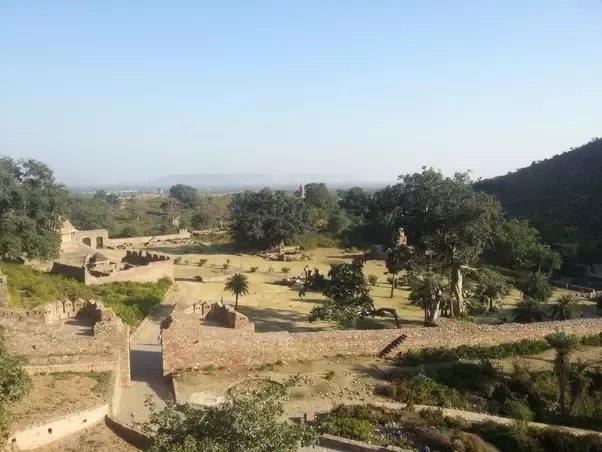
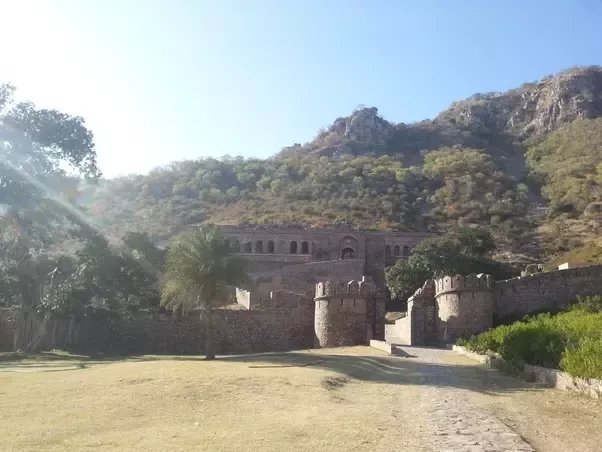
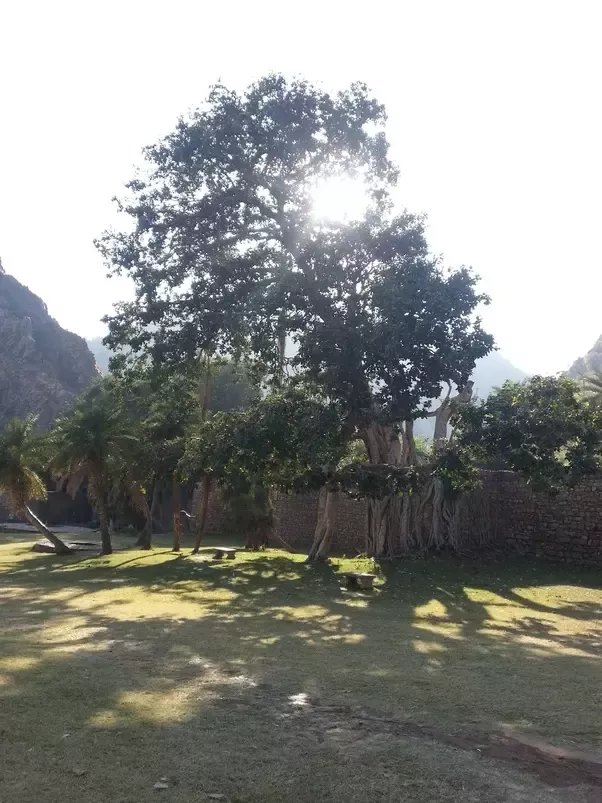
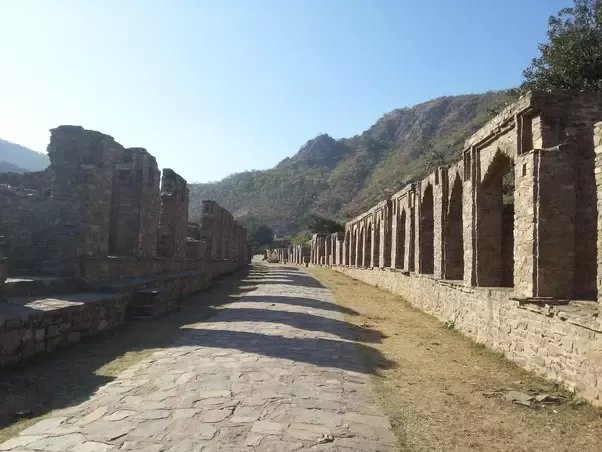
8/10
How would you rate your confidence level?
wake up early in the morning.
I meditate and go for a run.
I come back and study whole day.
I feel confident and contended.
I wake up late in the morning.
I feel tired and sleep again.
I woke up again and use Facebook.
I get bored and watch a movie.
I write a meaningless answer on Quora.
I get frustrated. I watch porn.
I feel bad about myself.
FLYING BIRD STORY
flying bird:
There once was a small bird who lived in a forest. She was content with her life, but she longed to experience the world beyond the trees. She dreamed of soaring high in the sky and feeling the wind rushing through her feathers.
One day, the bird decided to take a leap of faith and fly out of the forest. She spread her wings and took off into the open sky, feeling a rush of excitement and freedom like never before.
As she soared higher and higher, the bird marveled at the beauty of the world below her. She saw towering mountains, glittering rivers, and endless fields stretching out as far as the eye could see. She felt a sense of awe and wonder, realizing that there was so much more to the world than she had ever imagined.
But as the bird flew, she began to feel tired and her wings grew heavy. She wondered if she would ever make it back to the safety of her forest home. Just when she thought she couldn’t go any further, she saw another bird flying nearby.
The other bird noticed the small bird struggling and flew closer to her. “Don’t worry,” she said. “You’re not alone. I’ll help you make it back home.”
The small bird was grateful for the help and together, the two birds flew back to the forest. As they landed safely on a tree branch, the small bird turned to her new friend and thanked her for her kindness.
“You know,” the other bird said, “flying is not just about the physical act of flapping your wings. It’s about having the courage to take a leap of faith and explore the world around you. And sometimes, we need the help of others to make it through the tough times.”
The small bird realized that she had learned an important lesson. Flying was not just about the physical act of soaring through the sky, but about having the courage to explore new things and the willingness to accept help from others when needed.
From that day on, the small bird continued to explore the world around her, always with a sense of wonder and gratitude for the beauty and kindness that she encountered along the way.

 !!! Explore Journey !!!