Have you ever traveled solo? What was your experience like?
What’s the best local cuisine you’ve tried while traveling?
What’s the most adventurous thing you’ve done while traveling?
What was your most memorable travel experience?
What’s your favorite travel destination and why?
What advice would you give to someone who is planning to visit this destination?
MOST POPULAR TOURIST DESTINATION IN BRAZIL
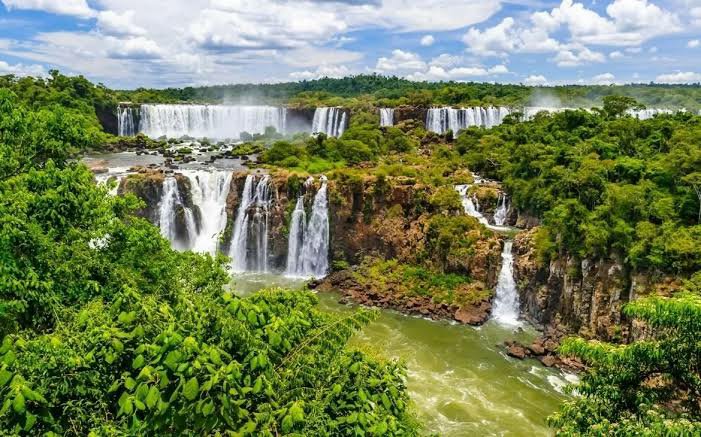
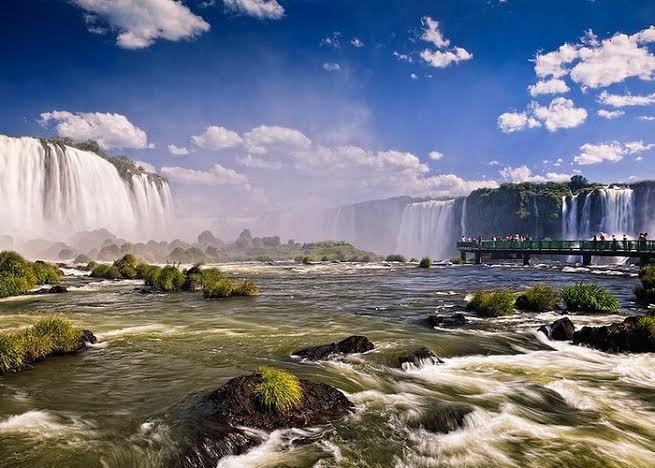
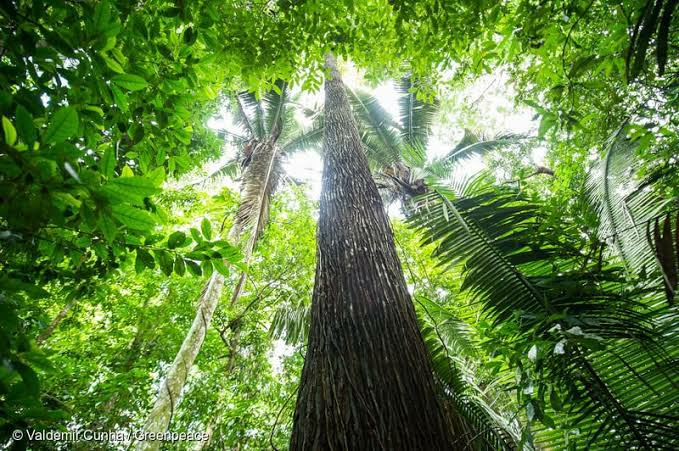
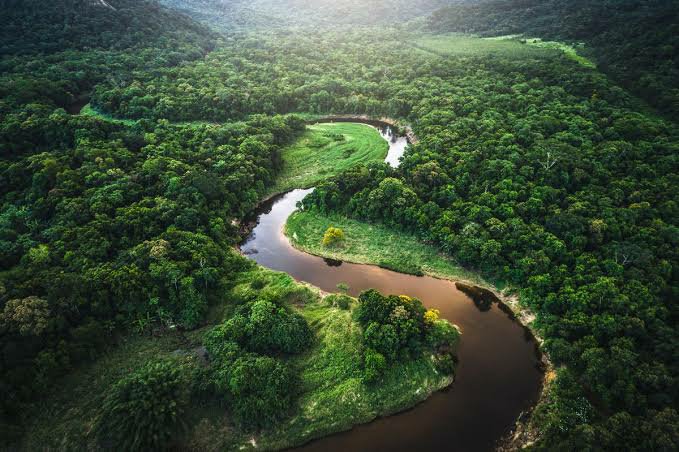
Brazil is a country that is known for its vibrant culture, stunning natural beauty, and friendly people. With a diverse range of attractions and activities, Brazil is an ideal destination for travelers who want to explore the sights, sounds, and tastes of South America.
Here are some of the top tourist destinations in Brazil that you should add to your travel itinerary:
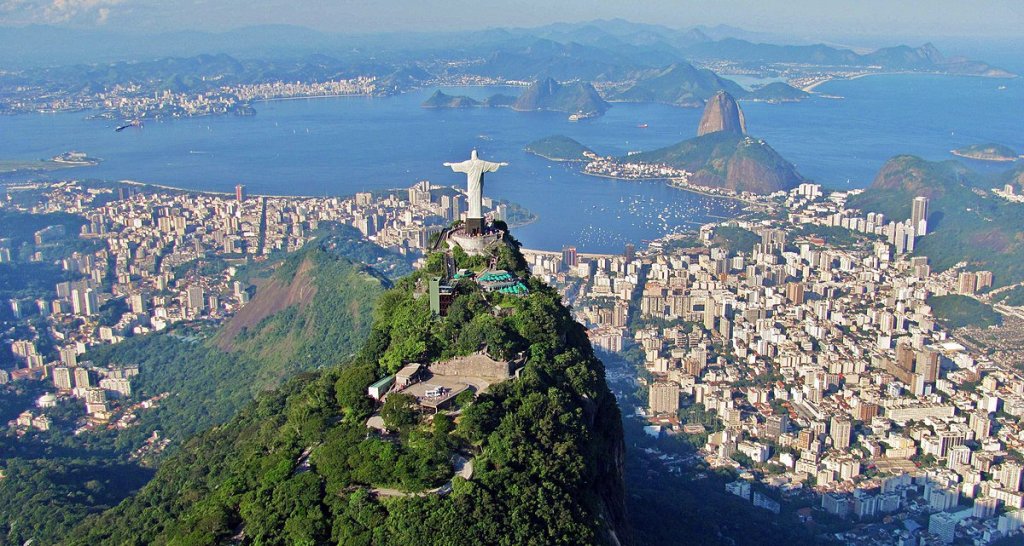
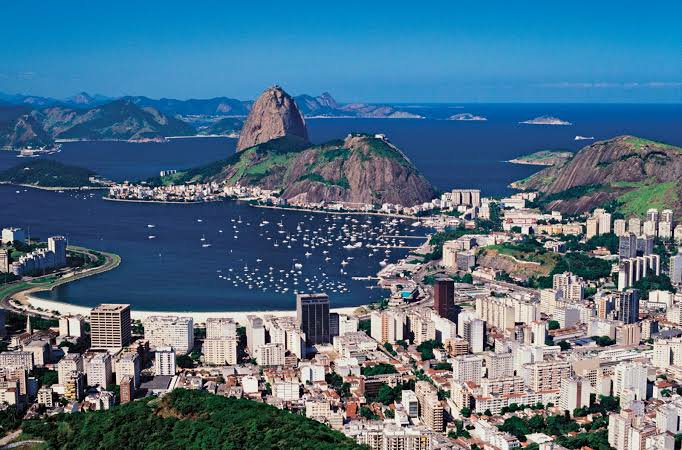
- Rio de Janeiro: Known as the “Cidade Maravilhosa” or “Marvelous City,” Rio de Janeiro is one of the most iconic cities in Brazil. With its stunning beaches, vibrant nightlife, and world-famous landmarks like Christ the Redeemer and Sugarloaf Mountain, Rio de Janeiro is a must-visit destination for anyone traveling to Brazil.The iconic Christ the Redeemer statue can be seen from just about anywhere in Rio de Janeiro. Located on top of Corcovado Mountain, the 38-metre-tall sculpture reigns as the world’s largest Art Deco statue. It’s worth getting up early to hike up to the summit before it gets too hot or crowded. If you don’t feel up to the hike, you can take a train all the way to the top, or a cab to the car park and take a shuttle bus from there.
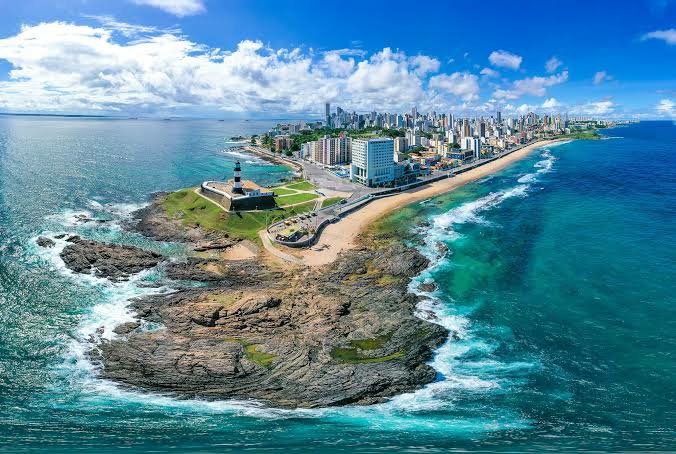
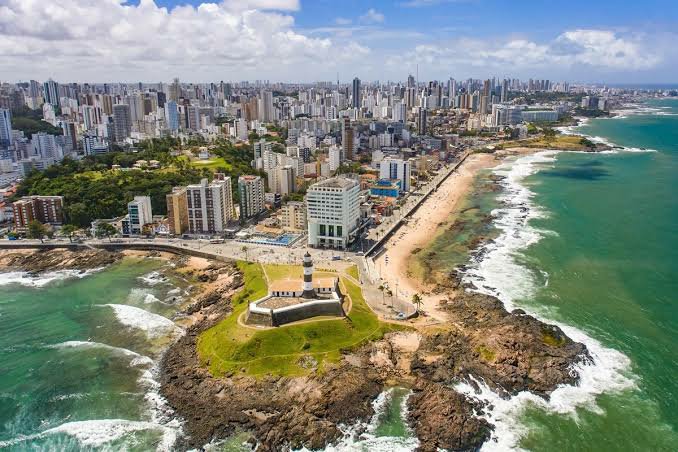
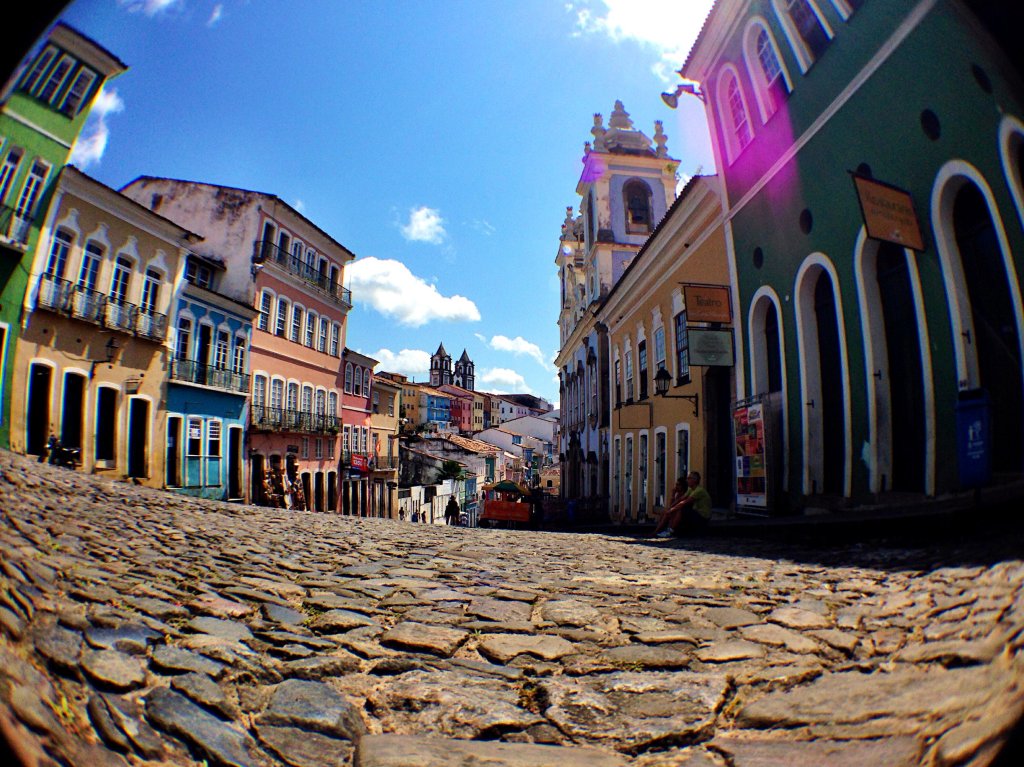
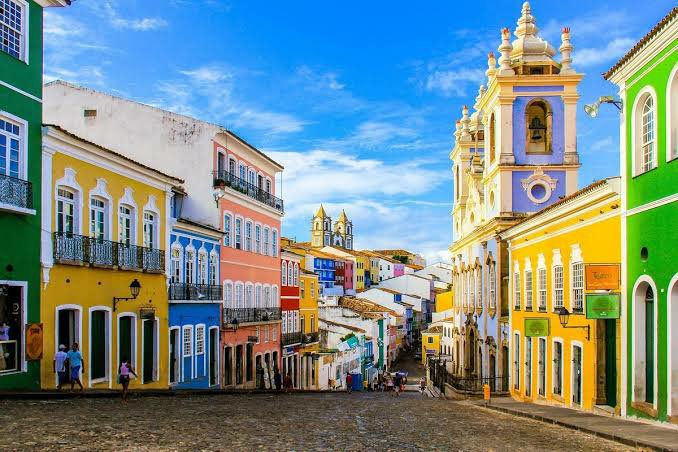
- Salvador: Located in the northeastern state of Bahia, Salvador is a vibrant city that is known for its Afro-Brazilian culture, colorful architecture, and lively music scene. Visitors can explore the historic Pelourinho district, sample traditional Bahian cuisine, and enjoy the lively nightlife.
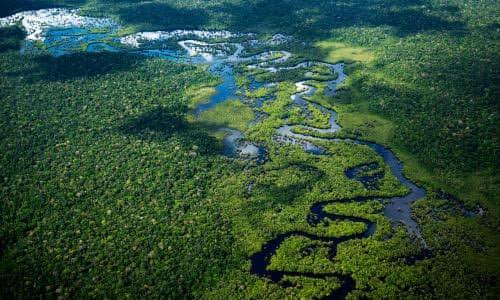
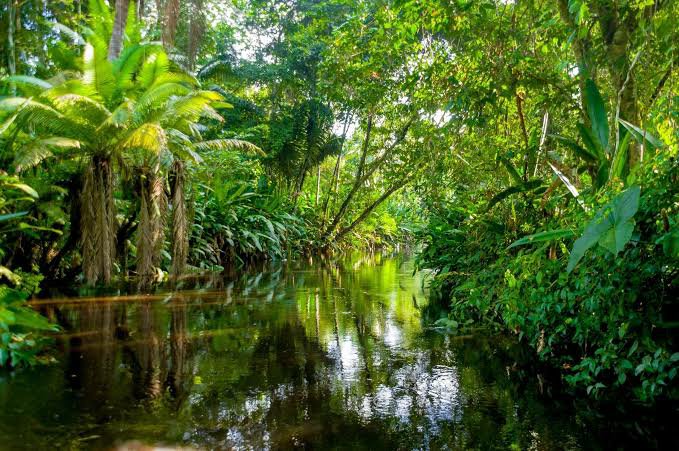
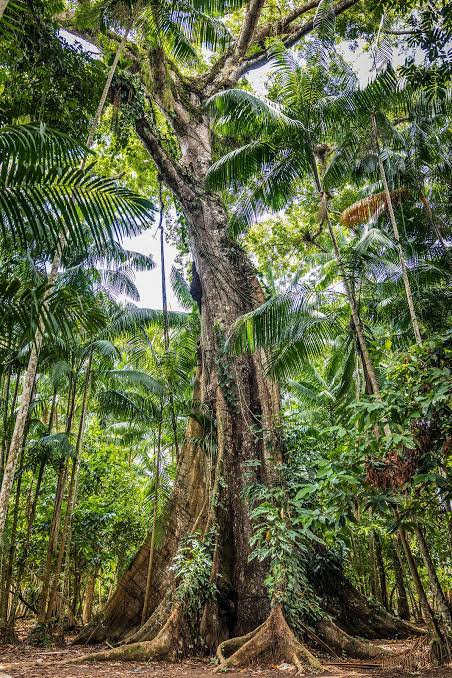
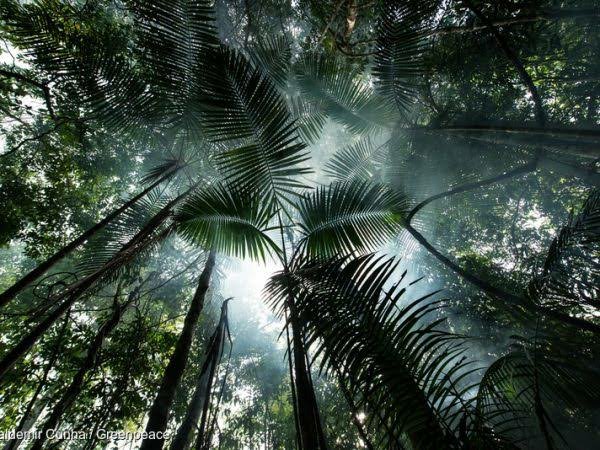
- Amazon Rainforest: Brazil is home to more than 60% of the Amazon rainforest, which is the largest tropical rainforest in the world. Visitors can take guided tours to explore the diverse plant and animal life, learn about indigenous cultures, and enjoy activities like hiking, birdwatching, and river cruises.
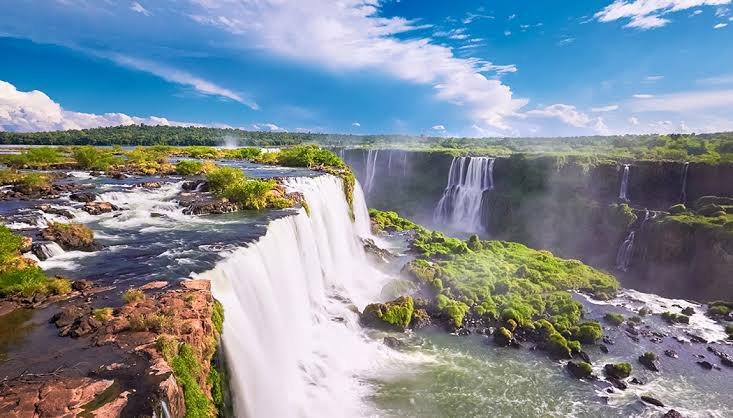
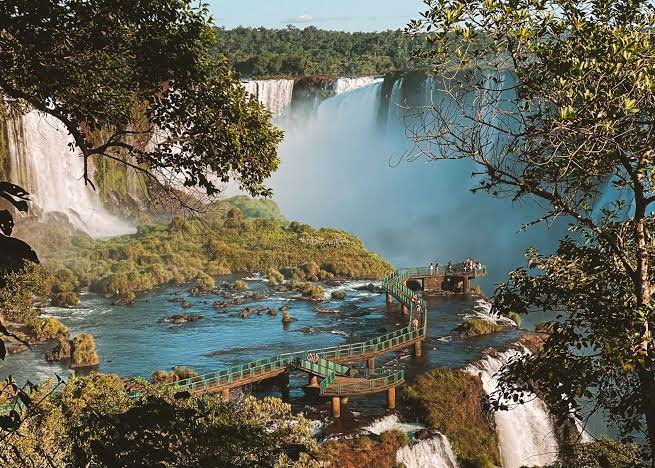
- Foz do Iguaçu: Located in the southern state of Paraná, Foz do Iguaçu is home to the breathtaking Iguaçu Falls, which are one of the most impressive natural wonders in the world. Visitors can take boat tours to see the falls up close, explore the surrounding national park, and learn about the local Guarani culture.
- Florianópolis: Known as the “Island of Magic,” Florianópolis is a popular beach destination in southern Brazil. With its beautiful beaches, tranquil lagoons, and rich colonial history, Florianópolis is a great place to relax and soak up the sun.
- Chapada Diamantina National Park: Located in the state of Bahia, Chapada Diamantina National Park is a stunning natural wonderland that is home to breathtaking waterfalls, dramatic canyons, and lush forests. Visitors can explore the park on foot, horseback, or mountain bike, and enjoy activities like swimming, rappelling, and caving.
- Recife and Olinda: Located in the northeastern state of Pernambuco, Recife and Olinda are two historic cities that are known for their colorful colonial architecture, lively cultural scene, and beautiful beaches. Visitors can explore the historic town centers, sample the local cuisine, and enjoy the vibrant nightlife.
Brazil is a vast and diverse country that offers something for every type of traveler. Whether you’re interested in culture, nature, or adventure, Brazil is a destination that should be on every traveler’s bucket list.
TOP 5 POPULAR TOURIST DESTINATION IN SIBERIA
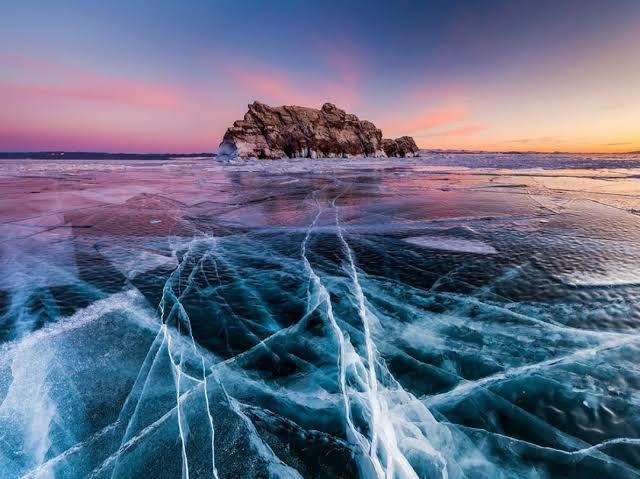
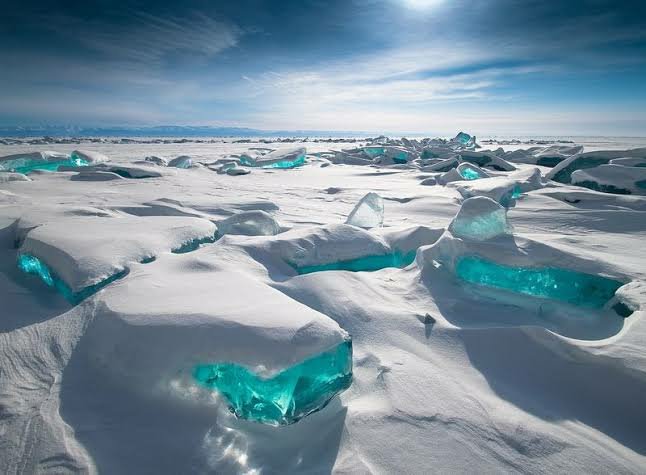
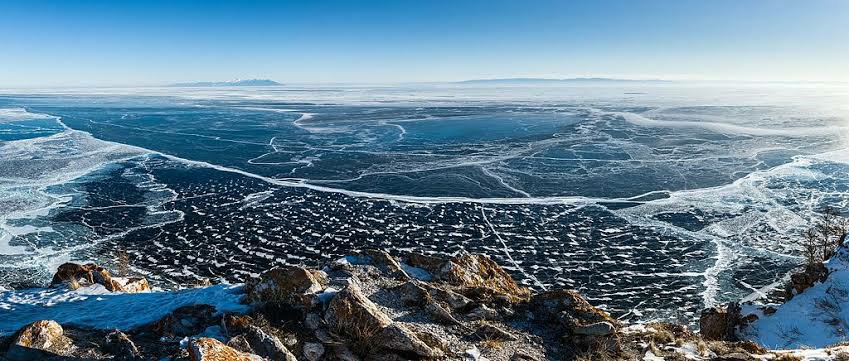
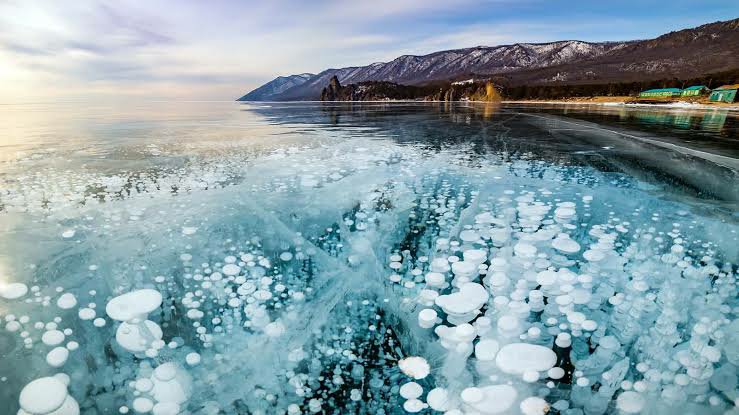
Lake Baikal is the largest and oldest lake of the world that consists of 80% freshwater of the world. The lake is a home for many people and animal species. The lake surrounds the rocks of Olkhon Island which makes the overall place a mesmerizing one. The best season to visit Lake Baikal is from December to April. It is not only a place for tourists but for scientific researchers
Lake Baikal is the largest freshwater lake in the world with 23% of fresh surface water. Baikal is formed as a rift valley which makes it the deepest lake with 1642m depth. It is also a shelter for Buryat people who are staying near the lake and for a lot of animal and plant species. Many governmental organizations and research institutes are carrying out their natural research projects on this lake. The tourist attraction also offers various activities according to their seasons.
Being one of the famous tourist attractions, there are a lot of hidden facts about Lake Baikal that people across the world are not aware of. Let’s dig out some interesting facts about the lake.
1. Researchers are not able to determine the exact age of the Lake Baikal as lake exists till 10-15 thousand years and then slowly it dries out.
2. Due to the continuous rifts, it is still expanding by 2m each day. The researchers have named it as ‘small ocean’ because of its large size and increase in water level.
3. Being formed in the heart of the rift zone, as the transformation continues, earthquakes still occur around the lake.
4. The early tribe in the area was Kurykans, the Siberian tribes that inhabited in Lake Baikal in the 6th century.
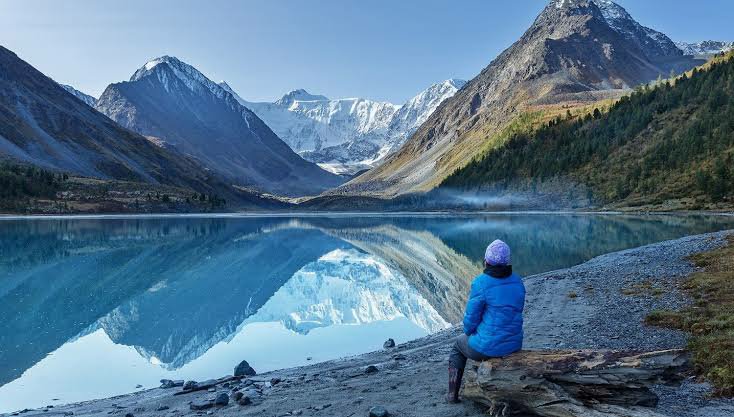
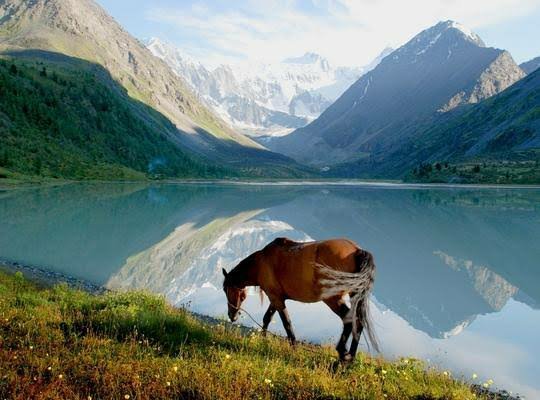
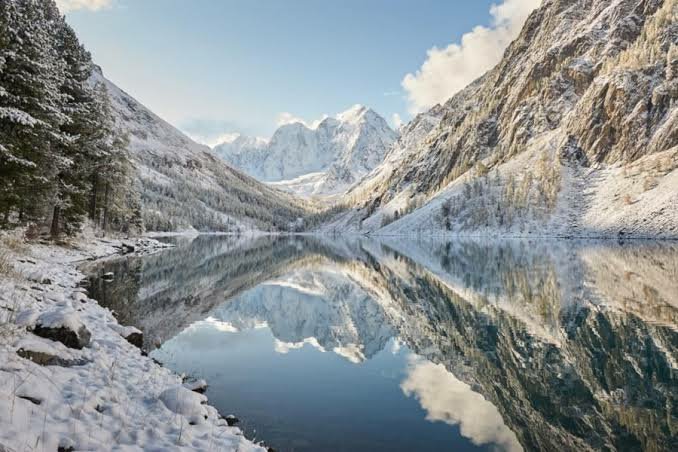
The Altai mountains in southern Siberia form the major mountain range in the western Siberia biogeographic region and provide the source of its greatest rivers – the Ob and the Irtysh. Three separate areas are inscribed: Altaisky Zapovednik and a buffer zone around Lake Teletskoye; Katunsky Zapovednik and a buffer zone around Mount Belukha; and the Ukok Quiet Zone on the Ukok plateau. The total area covers 1,611,457 ha. The region represents the most complete sequence of altitudinal vegetation zones in central Siberia, from steppe, forest-steppe, mixed forest, subalpine vegetation to alpine vegetation. The site is also an important habitat for endangered animal species such as the snow leopard.
Altai mountains and glaciers
All the territory of the Republic is located within the mountainous system. The mountains’ altitude varies from 350 to 4500 meters. The real beauty of the region is the Mount Belukha, the highest peak of Siberia (4506 m). It is actually 1000 m higher than the surrounding mountain ridges.
There are 3 big ridges which are 3000 – 4000 m high. Their peaks are covered with snow and ice all year long. At present there are 1499 glaciers with a total area of 910 square km which consists of 39 cubic km of frozen water. The largest glaciers stretch for several kilometers.
The Altai Mountains are relatively young. So periodic seismic activity is notable here
Rivers and lakes
Altai Mountains form the world watershed between the internal Central Asian watershed and the Arctic Ocean watershed. The whole region is rich in water resources. There are about 20,000 rivers with the total length of 60.000 km and about 7,000 lakes.
The largest rivers are the Katun and the Biya. The Ob River, one of the greatest and longest rivers in Siberia, is formed by the confluence of the Katun and Biya.
One of the most beautiful lakes is Teletskoye Lake. It is the largest in the Altai Republic, 80 km long and 5 km wide with a maximum depth of 325 meters. The mountain lakes of the territory keep enormous reserves of the purest fresh water.
Kaichitravel
Altai Info
Altai info | Why Altai | Attractions|Panoramas
The Altai mountains are situated in Russia, Mongolia, Kazakhstan and a small part in China. It is the centre of Eurasia where Siberia and Central Asia comes together, which makes it an unique location with many options and almost no other place is similar to this.
We offer you tours to Russian Altai, which is located in 2 regions: the Altai Republic and Altai krai.
Choose a tour
The Altai Republic
The Altai Republic is a federal subject of the Russian Federation. The capital is the town called Gorno-Altaysk. The area of the republic is 92,600 square kilometers. But the population is only 206,168 people.
Attractions
Altai mountains and glaciers
All the territory of the Republic is located within the mountainous system. The mountains’ altitude varies from 350 to 4500 meters. The real beauty of the region is the Mount Belukha, the highest peak of Siberia (4506 m). It is actually 1000 m higher than the surrounding mountain ridges.
There are 3 big ridges which are 3000 – 4000 m high. Their peaks are covered with snow and ice all year long. At present there are 1499 glaciers with a total area of 910 square km which consists of 39 cubic km of frozen water. The largest glaciers stretch for several kilometers.
The Altai Mountains are relatively young. So periodic seismic activity is notable here.
Rivers and lakes
Altai Mountains form the world watershed between the internal Central Asian watershed and the Arctic Ocean watershed. The whole region is rich in water resources. There are about 20,000 rivers with the total length of 60.000 km and about 7,000 lakes.
The largest rivers are the Katun and the Biya. The Ob River, one of the greatest and longest rivers in Siberia, is formed by the confluence of the Katun and Biya.
One of the most beautiful lakes is Teletskoye Lake. It is the largest in the Altai Republic, 80 km long and 5 km wide with a maximum depth of 325 meters. The mountain lakes of the territory keep enormous reserves of the purest fresh water.
Plants and animals
The flora of the Altai region comprises of more than 2000 species with a great number of relict and endemic plants. The richness of the endemic species exists due to the variety of landscape which have formed isolated areals.
Several distinct vegetation zones can be discerned in the Siberian Altai: 800-1500 meters – a belt of mountainous steppes, 1200-2400 meters – mountainous taiga, 2500-3000 meters Alpine lands, higher – subnival and nival zones.
Many rare and threatened animals live in the region including the elusive snow leopard, the ibex and the argali (a mountain sheep), lynx, and the Pallas’s cat. The Russian Altai is also a habitat for over 300 species of birds including the tawny and imperial eagle, black eared kite, falcon, demoiselle crane and saker falcon.
Climate
Due to the influence of the great Asiatic anticyclone, Siberian Altai has a continental climate.
It means vast contrasts between warm and rainy summers (June–August) and long cold winters (November–March) with little snow in the valleys and frequent temperature inversions with lots of snow high in the mountains.In general, the republic’s climate of the South-East is harsher than the climate of lower northern areas.
July temperature range: +11 °C to +30 °
Tourism
Variety of landscapes and climate of the Altai region makes it possible to do almost all kinds of outdoor sports: trekking, backpacking, pass hopping, climbing, light river rafting, kayaking and mountaineering. Different kinds of tours are organized every summer. Adventure, jeep, horse, rafting – or any combination of these are available for you.
Private Tours | Group Departures
Russia
Classic Uzbekistan Group Tour 2023-2024
Tashkent, Khiva, Bukhara, Samarkand
8 Days | Spring, summer, autumn
US$ 1,090 / person
Tobolsk, Russia
Tobolsk, Russia
Tours, Attractions and Things To Do in Tobolsk
Tobolsk Travel Guide
1. History of Tobolsk
2. Tobolsk districts
3. Tobolsk attractions
4. Outdoor activities
5. Tobolsk souvenirs
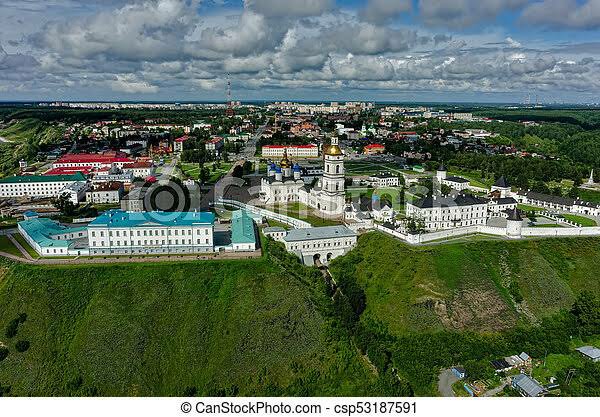
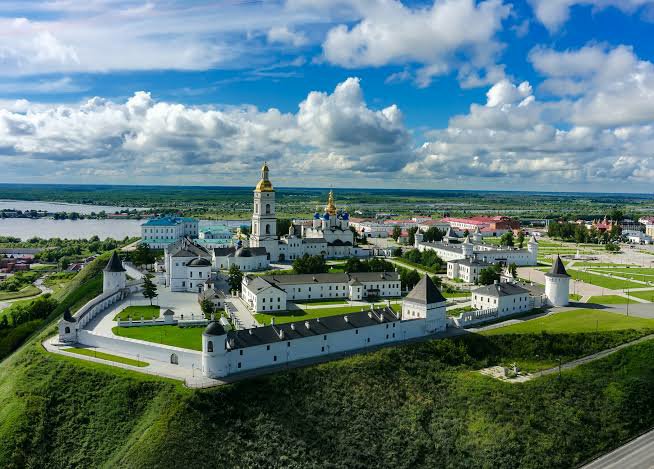
Tobolsk, Russia attracts travelers with its Siberian spirit and unusual history which stretches back four centuries. The city may have lost its former political and economic significance but today is one of the most inviting and colorful tourist cities in Siberia.
History of Tobolsk
Tobolsk was the first settlement in Siberia, having been founded in 1587 and granted the status of city soon thereafter. Its historical role was largely predetermined by its convenient location at the mouth of two rivers – one of which, Tobol River, inspired the city name. In the 18th century Tobolsk was a center of influence in the eastern Russian Empire, a status which it retained until the 19th century when construction of a railway line and the subsequent shift of merchant routes put an end to Tobolsk’s regional sway.
The city has inherited a rich and colorful past, as evidenced by its impressive 17th-18th century architecture. Once the capital of immense Siberia, present-day Tobolsk has managed to preserve memories of its eventful history, from Cossack campaigns to battles with indigenous peoples and the famous exiles of the Uglich Bell and Nicholas II, the last emperor of the Russian Empire.
Tobolsk Districts
Tobolsk, Siberia is divided into three regions: Upper City or Mountain, the lower region of Podgora and New Tobolsk. Gora District in Upper City is famous for Tobolsk Kremlin and the residential quarters in its northern part. It is worth a visit just to meander by the old stone churches and dilapidated 17th-century wooden houses. Stop by Zavalnoye Cemetery to see the graves of exiled Decembrists before admiring the figurines at Bone Carving Factory. The collection of sculptures based on the fairy tale “The Little Humpbacked Horse” by Pyotr Yershov, a native of Tobolsk, is also worth seeing.
Podgora was the center of Tobolsk until extensive development of suburban areas left it half-abandoned, yet it has managed to retain its historic charm. Its surviving 18th-century churches, built in the Siberian Baroque style, look harmonious against the background of the 20th-century Roman Catholic Church of the Holy Trinity. Podgora’s medieval neighborhood abuts a private sector, giving this area an added appeal.
Located north of the Kremlin, New Tobolsk is dotted with 1970s high-rise buildings which were once occupied by workers of the petrochemical plant. As these skyscrapers were practically erected on a vacant lot, there are no historical sites here. Yet the border area between old and new Tobolsk, where the difference between pre-revolutionary and Soviet life is still clearly on display, will prove interesting for many tourists.
About Novosibirsk :-
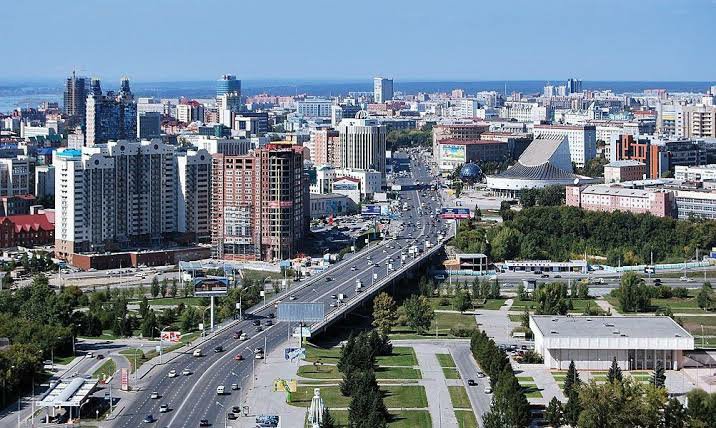
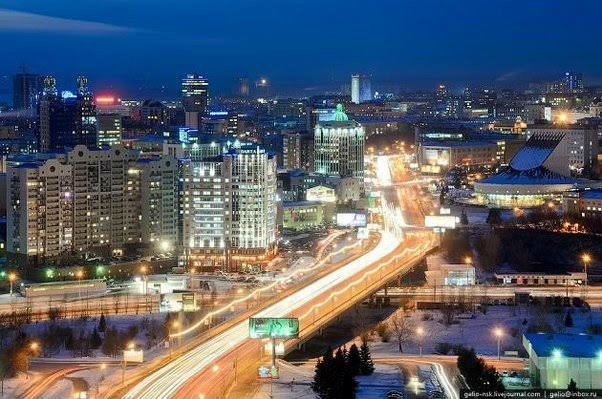
A stop on the famous Trans-Siberian Railway, Novosibirsk is perched on the banks of the Ob River, which features fountains that seem to float on its surface. You can learn about the city’s founding at the West Siberian Railway History Museum. Novosibirsk is renowned for its thriving arts scene, and the State Academic Opera and Ballet Theatre is fondly known as the “Siberian Coliseum.” The Novosibirsk Zoo is beloved for its collection of animals and its preservation work with endangered species.
What to do in Novosibirsk
1. Animal Wonders And A Reputation For Welfare
Novosibirsk Zoo may come as a surprise to some visitors due to its sheer size. In total, this massive animal park has more than 11,000 inhabitants and over 700 species are represented. And they aren’t just native Siberian fauna either (although there are a few polar bears and Siberian tigers to get to know). From mandrills and yellow mongooses, to lions and cheetahs, the city zoo is crammed with charismatic critters, and has a reputation for being one of the most responsible zoos in the world, as well.
Where to Eat in Novosibirsk
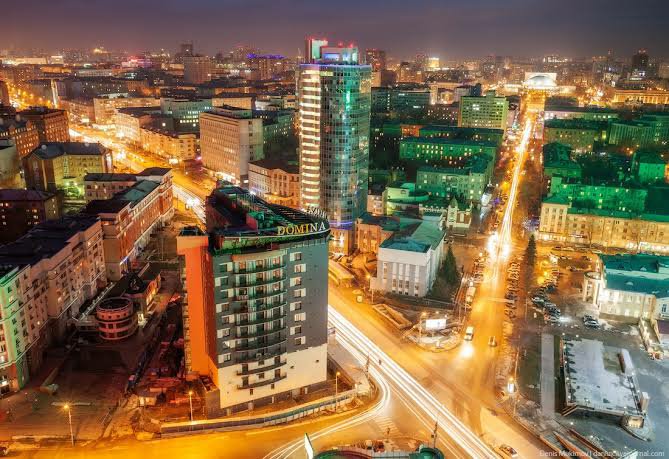
Novosibirsk has one of Russia’s finest collections of elite restaurants, with standouts like the Mediterranean restaurant Perchini, the beer hall and dumpling cafe Beerman, and excellent Georgian eatery Tiflis. Prices range from RUB1,000-1,700.
Where to stay in Novosibirsk
Krasny Prospekt – The most important street in town, Krasny Prospect is home to the Opera and a huge array of stores and restaurants.
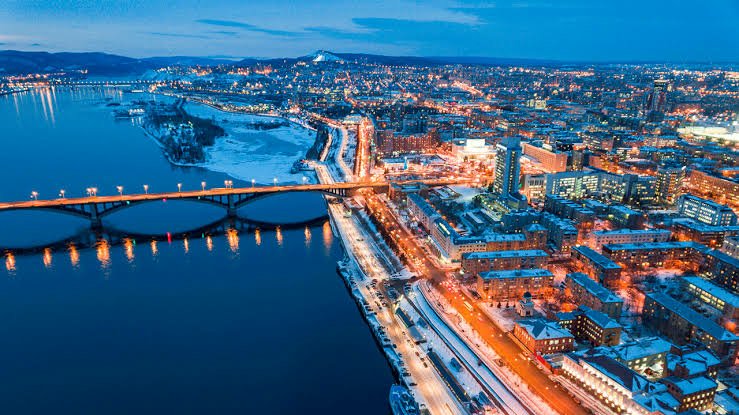
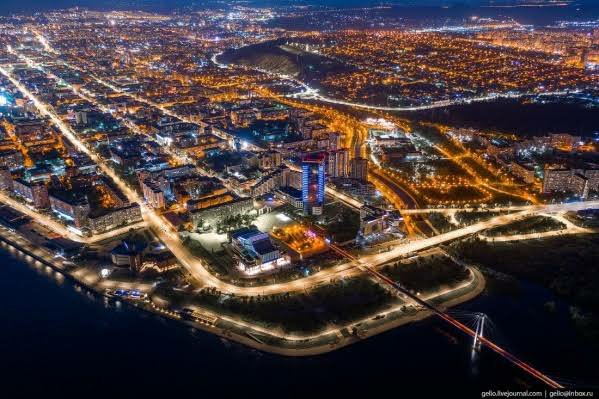
Krasnoyarsk, also spelled Krasnojarsk, or Krasnoiarsk, city and administrative centre of Krasnoyarsk kray (territory), south-central Siberia, Russia. The city stands on both banks of the Yenisey River where the river is crossed by the Trans-Siberian Railroad.
One of the earliest Russian settlements in Siberia, it was founded as the fort of Krasny Yar in 1628 on the left bank of the Yenisey. The extension of the Great Siberian Post Road to this point in 1735 spurred Krasnoyarsk’s development as the chief town of central Siberia. The discovery of gold in the area in the 19th century further accelerated its growth. After the arrival of the Trans-Siberian Railroad in the 1890s, Krasnoyarsk developed rapidly and spread onto the right bank, where it now extends for more than 18 miles (29 km) along the river. Krasnoyarsk’s industrial growth was further stimulated by the evacuation to the town of many factories from the west in World War II. In the 1960s one of the largest hydroelectric stations in the world was constructed there on the Yenisey. During the 1980s a missile-tracking radar station was built near Krasnoyarsk. The Soviet government admitted in 1989 that the station was built in violation of the Treaty on Anti-Ballistic Missile Systems and in 1990 agreed to dismantle it.Tours, Attractions and Things To Do in Krasnoyarsk
A real Siberian megapolis, a city on the mighty Yenisei River and an outpost of the conquest of Siberia – all this is about Krasnoyarsk, a city with a difficult destiny, which managed to become one of the major economic centers as well as beauty and pride of the entire Siberian region. The XVIIth century was the time, when many Siberian towns emerged. And Krasnoyarsk is not an exception. It was founded in 1628, when Cossack detachment, led by Andrew Dubenskoy, built the fort with five towers on a promontory between the Kacha and Yenisei River outlet. Local residents named the fort ‘Krasny Yar’ because of the red color of surrounding slopes and ditches. Subsequently the city was called ‘Krasnoyarsk’.
The new fort played an important role in joining Siberia to Russia. Repelling the annual raids of nomads – the Mongol and Turkic tribes, it had been serving as a border fortress for nearly a hundred years. A stone chapel on the Karaulnaya mountain top still remains a mute witness of that time. Hence the defenders of the city could see from afar the approach of the enemy, and lit a fire thereby giving the fort a sign to prepare for a siege. Throughout the XVIIth century Krasnoyarsk fort was repeling numerous devastating raids of the Kyrgyzs and Dzungars. In 1690, when Siberia was finally joined to Russia, Krasnoyarsk fort was granted a city status. Having become an important glue in the main trade route of Siberia, in the XVIIIth century, Krasnoyarsk began to develop actively as a trade and craft center.Moreover, in 1822 it became the capital of the Yenisei province.
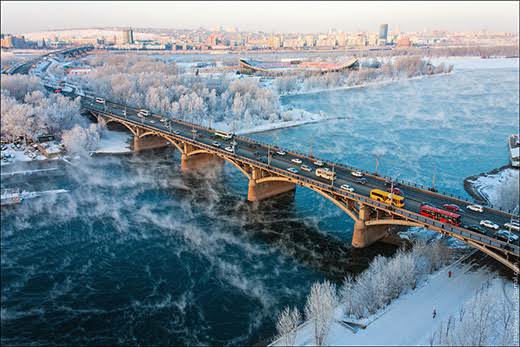
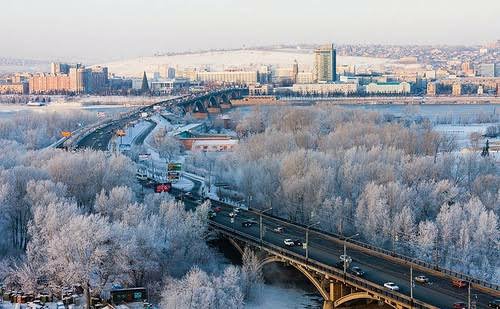
In the middle of the XIXth century Yenisei province has become one of Russia’s largest gold-mining centers. Already in the late XIX – early XX centuries Krasnoyarsk acquired the traits of an industrial city. There were about thirty plants working in the city. In the postwar years, such industrial giants as the Krasnoyarsk Aluminum Plant, Krasnoyarsk Metallurgical Plant and Non-ferrous Metals Plant were built in the city. In 1961, a municipal bridge over the Yenisei River, which became the symbol of the city was established.
Today Krasnoyarsk is the largest industrial and cultural center of Eastern Siberia, the administrative center of a huge territory, stretching on the 4 000 km from the North to the South along the banks of the Yenisei. Krasnoyarsk is connected by air communication with many large cities in Russia and abroad.
The city is divided into two parts by the Yenisei. The left bank of the city part, located on the upper terraces of the Yenisei is particularly picturesque. This is the center of ancient Krasnoyarsk. Unique classic period buildings of the XVIII-XIXth centuries has been preserved here. Architecture of the XXth century is presented by the buildings of the Stalin era, the so-called ‘Stalin’s Empire style’. Strelka is considered to be the historical city center. Krasniy Yar fort, which laid the foundation of the Krasnoyarsk city was founded, right here, in the summer of 1628.
Stunning in its beauty panorama of the city opens up from the top of the Karaulnaya Mountain – views of the majestic and mighty Yenisei, Kuysumsky ridge and rising Afontov Mountain.The Yenisei embankment is the favorite place for dates, walks and rest of the residents of Krasnoyarsk. You can see the beautiful panorama of the city from here as well.It may seem surprising, but Krasnoyarsk is a city of fountains. Currently, there are more than 300 fountains here. The most beautiful one is light and music fountain, located in front of the Opera and Ballet Theater.
Attractions
Intercession Cathedral
Museums
Memorial Steamship
Surikov Art Museum
Surikov Estate Museum
The Krasnoyarsk Museum of Regional Studies
POPULAR TOURIST ATTRACTION ELLORA CAVES 👇
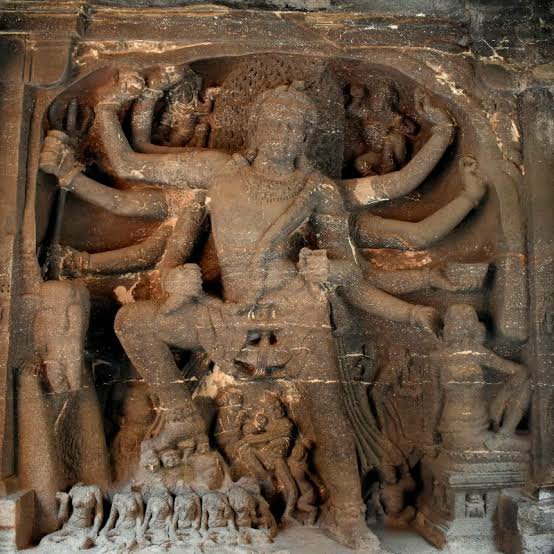
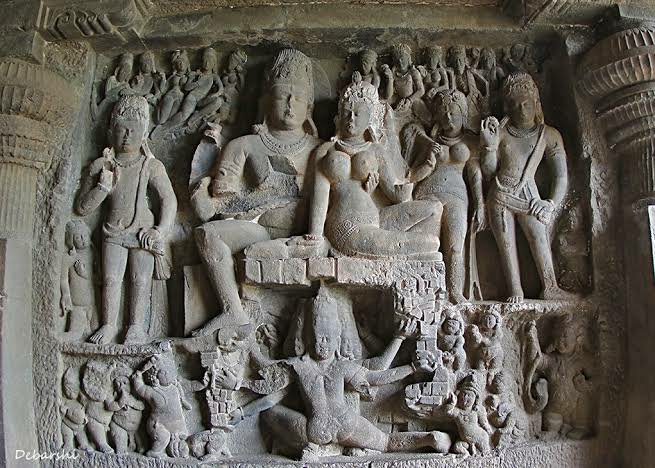
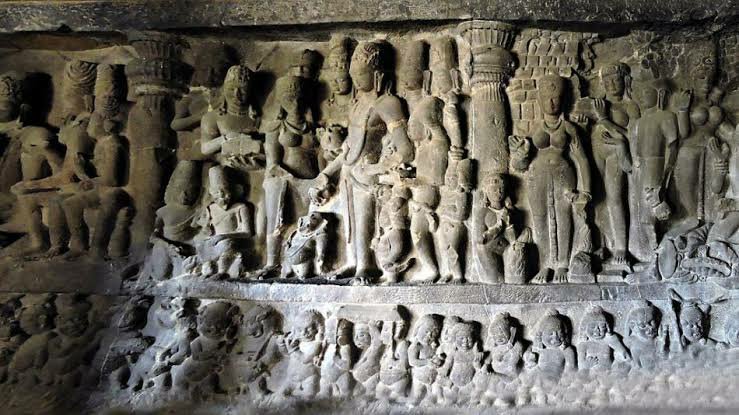
Ellora Caves is an archaeological site located in the Sambhajinagar [ Aurangabad ] district of Maharashtra, India. It is a complex of rock-cut temples and monasteries that were built between the 6th and 10th centuries AD. The site is known for its unique combination of Hindu, Buddhist, and Jain monuments, making it a UNESCO World Heritage Site.
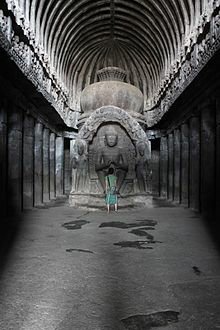
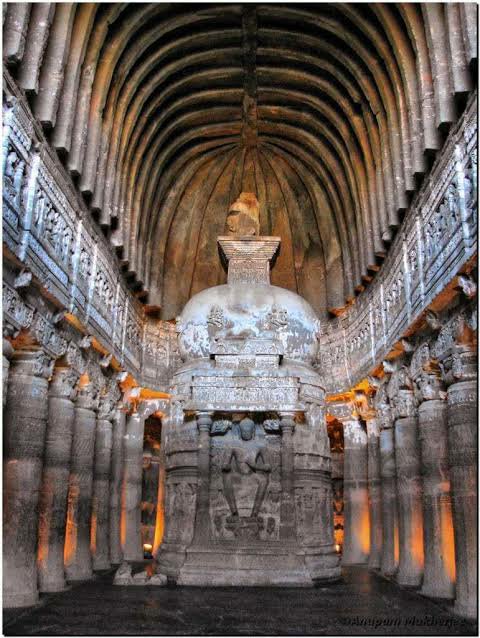
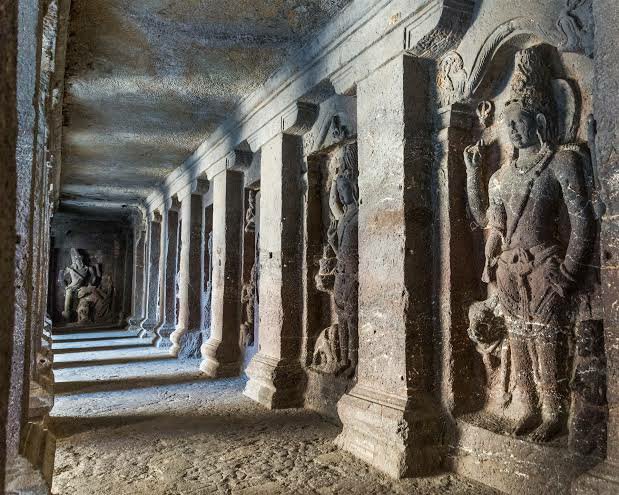
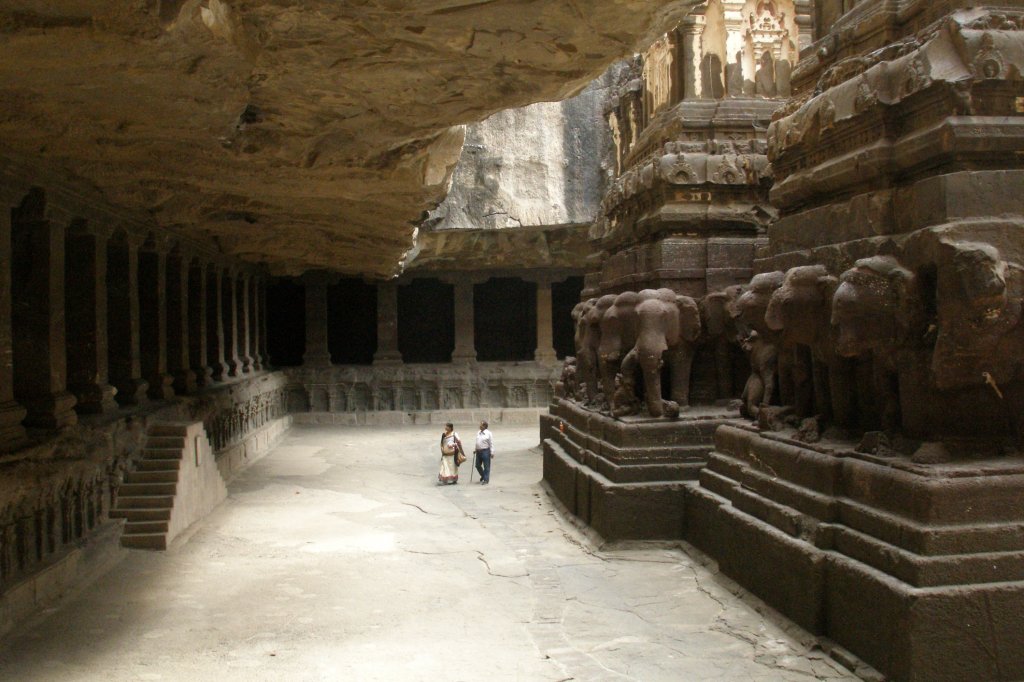
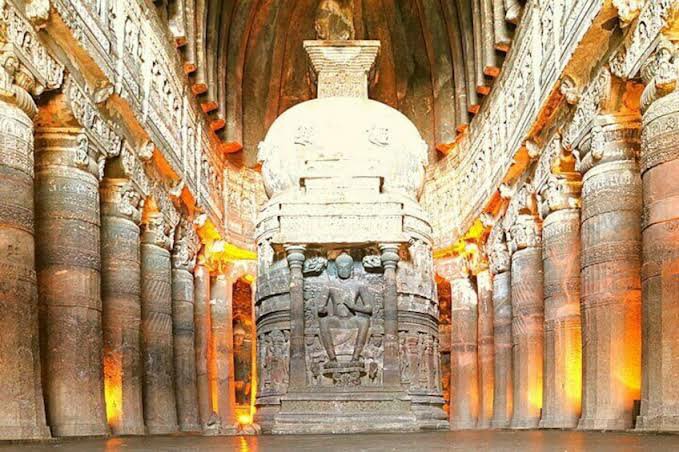
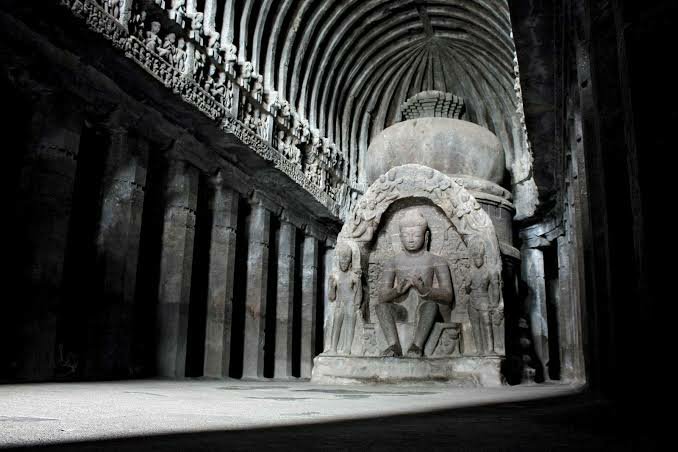
The Ellora Caves are located about 30 kilometers from the city of Aurangabad and are easily accessible by road. There are a total of 34 caves, of which 12 are Buddhist, 17 are Hindu, and 5 are Jain. The caves were excavated out of the Charanandri Hills and were constructed between the 6th and 10th centuries AD.
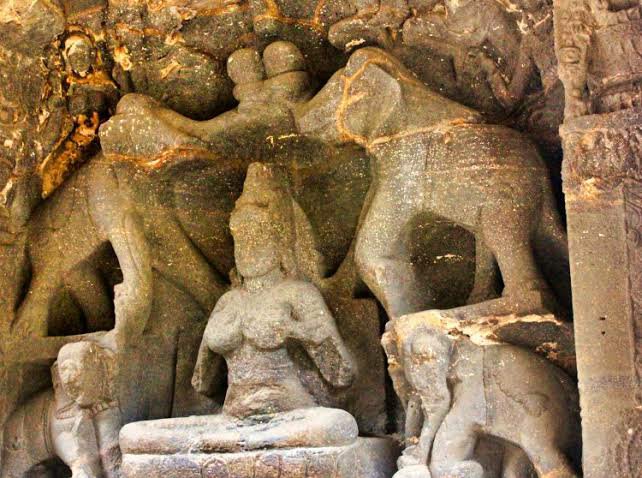
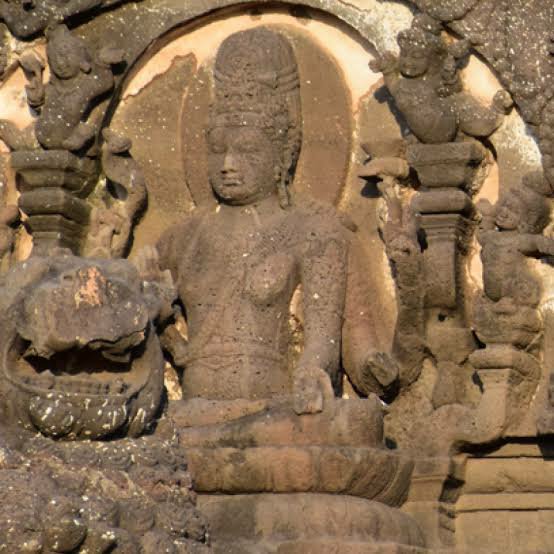
The Buddhist caves at Ellora are the oldest and were built between the 6th and 8th centuries AD. The most famous of these is the Cave 10, also known as the Vishvakarma Cave, which is a chaitya hall with a stupa at one end. The cave also features intricately carved pillars, sculptures of the Buddha and bodhisattvas, and various other decorative elements.
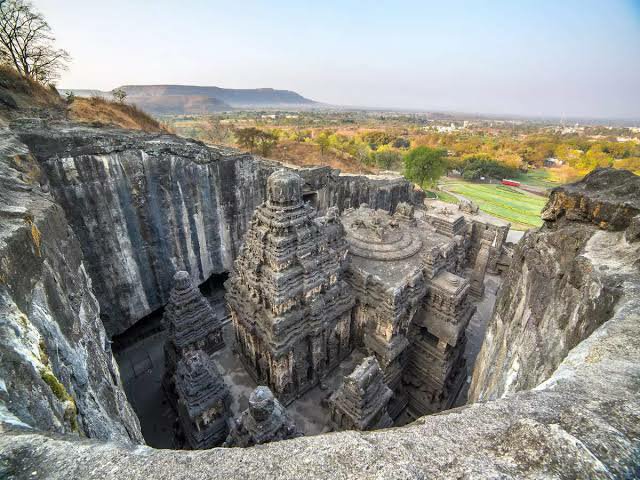
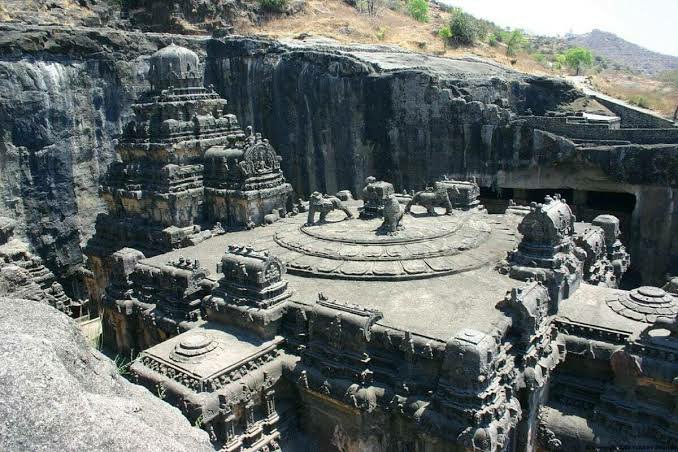
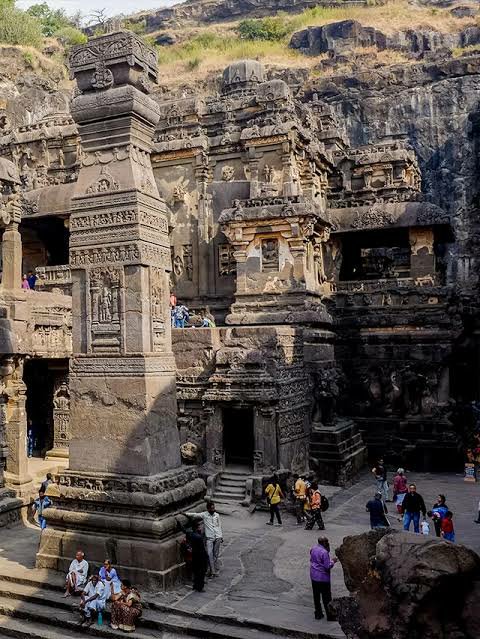
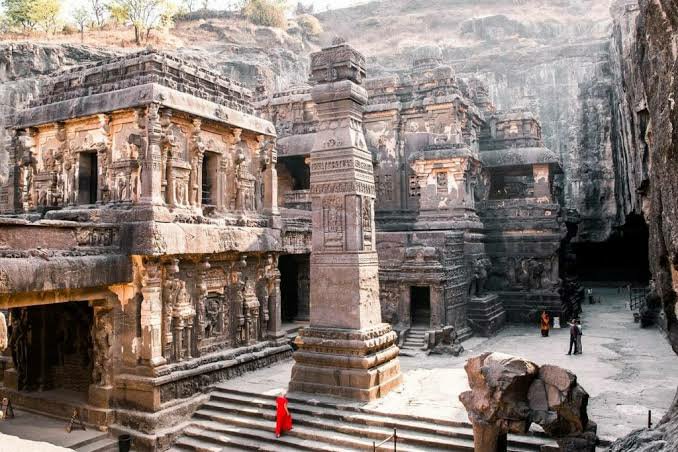
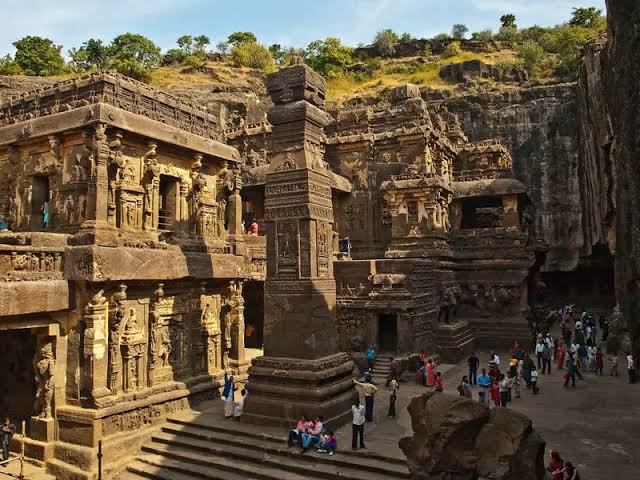
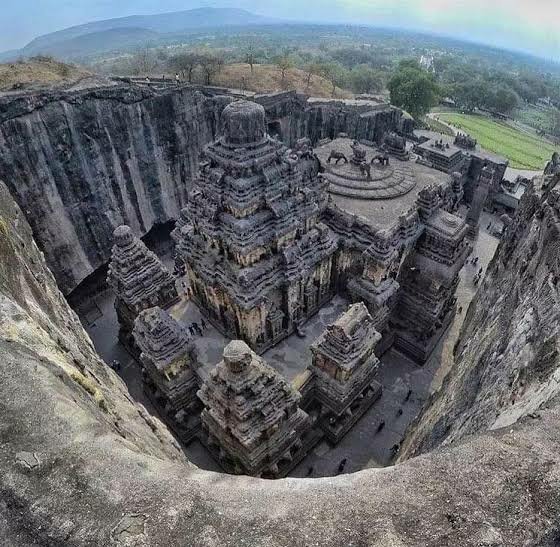
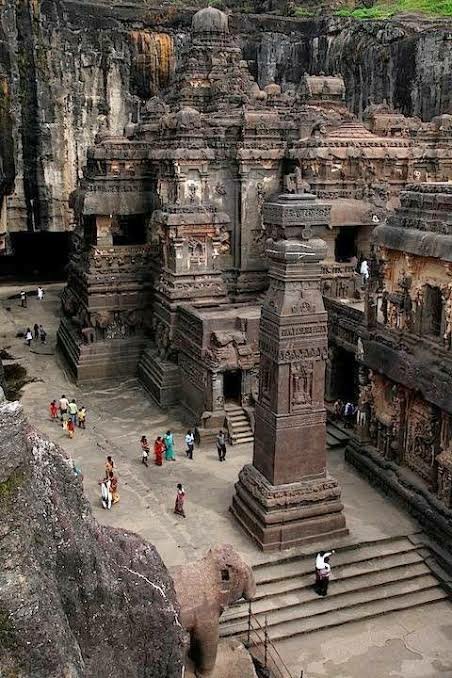
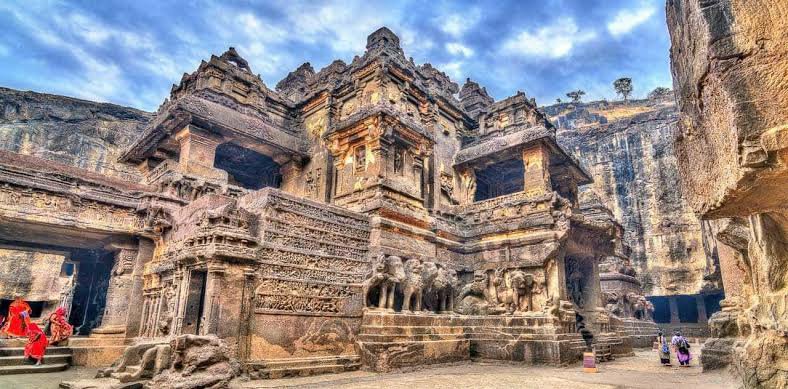
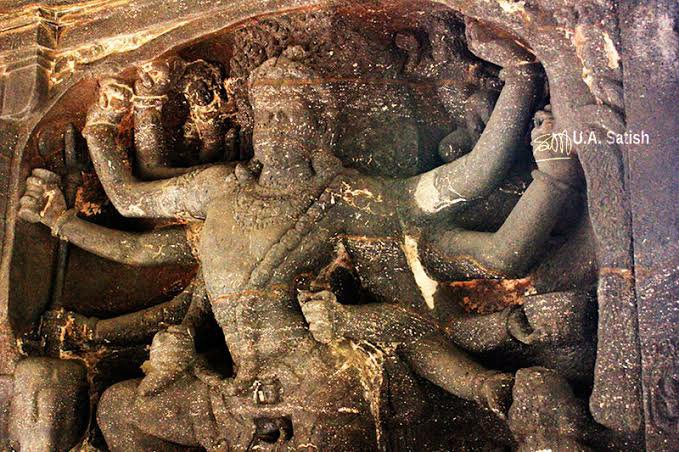
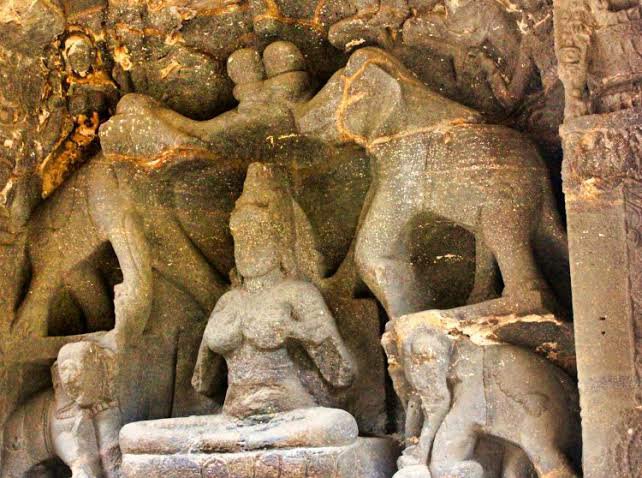
The Hindu caves were built between the 7th and 9th centuries AD and are characterized by their elaborate sculptural decorations. The most famous of these is the Kailasa Temple, which is dedicated to Lord Shiva and is considered one of the largest monolithic structures in the world. The temple was carved out of a single rock and features intricate carvings of deities, animals, and mythological scenes.
The Jain caves were built between the 9th and 10th centuries AD and are relatively simple in comparison to the Buddhist and Hindu caves. However, they still feature intricate carvings and are notable for their use of white marble.
Overall, the Ellora Caves are a testament to the religious harmony that existed in ancient India. The site is a unique example of how different religions and cultures can coexist and thrive together. The caves are also an important archaeological site, providing valuable insights into the history and culture of ancient India.
TRANSPORTATION INFORMATION 👇
The Ellora Caves are located approximately 30 kilometers (19 miles) from the city of Aurangabad in the Indian state of Maharashtra. There are several transportation options available to reach the site:
By car or taxi: The most convenient way to reach the Ellora Caves is by hiring a car or taxi from Aurangabad. It takes approximately 45 minutes to reach the site from Aurangabad. There are several car rental agencies and taxi services available in the city.
By bus: Regular buses run between Aurangabad and the Ellora Caves. The buses are operated by the Maharashtra State Road Transport Corporation (MSRTC) and the journey takes around one hour. Buses are available from the Aurangabad Central Bus Stand.
By train: The nearest railway station to the Ellora Caves is the Aurangabad Railway Station, which is well connected to major cities in India. From the railway station, visitors can hire a taxi or take a bus to reach the site.
By air: The nearest airport to the Ellora Caves is the Aurangabad Airport, which is located approximately 30 kilometers (19 miles) away. The airport is well connected to major cities in India, including Mumbai, Delhi, and Hyderabad. From the airport, visitors can hire a taxi or take a bus to reach the site.
Once at the site, visitors can explore the caves on foot. It is recommended to wear comfortable walking shoes as the site involves a fair amount of walking and climbing stairs. The site is open from 9:00 AM to 5:30 PM every day, and an entry fee is charged for visitors.
There are several accommodation options available for visitors to the Ellora Caves. The closest city to the site is Aurangabad, which has a range of hotels and guesthouses to suit all budgets. Here are a few options:
The Taj Aurangabad: This 5-star hotel is located in the heart of Aurangabad and offers luxurious rooms and suites. It features a swimming pool, spa, and multiple dining options.
Lemon Tree Hotel, Aurangabad: This mid-range hotel offers comfortable rooms and suites with modern amenities. It features a swimming pool, fitness center, and an on-site restaurant.
Hotel Kailas: This budget hotel is located close to the Ellora Caves and offers basic rooms and dormitory-style accommodation. It features an on-site restaurant and offers guided tours of the caves.
The Meadows Resort and Spa: This luxury resort is located a short drive from the Ellora Caves and offers spacious rooms and suites with modern amenities. It features a swimming pool, spa, and multiple dining options.
Vivanta Aurangabad: This 5-star hotel offers comfortable rooms and suites with modern amenities. It features a swimming pool, spa, and multiple dining options.
These are just a few examples of the accommodation options available in Aurangabad. Visitors can also find a range of guesthouses, homestays, and budget hotels in the city. It is recommended to book accommodation in advance, especially during peak tourist season.
HOTEL IN CHIP RATE👇
The budget for accommodation in Aurangabad depends on the type of accommodation you are looking for and the level of comfort you require. Here are some options for budget accommodation:
Hotel Kailas: This budget hotel is located close to the Ellora Caves and offers basic rooms and dormitory-style accommodation. Prices start at around INR 500 per night (approximately USD 7).
Hotel Manmandir Executive: This budget hotel is located in the heart of Aurangabad and offers comfortable rooms with modern amenities. Prices start at around INR 1,200 per night (approximately USD 16).
Hotel Shree Maya: This budget hotel is located in the city center and offers comfortable rooms with modern amenities. Prices start at around INR 1,500 per night (approximately USD 20).
Hotel Atithi: This budget hotel is located close to the Aurangabad Railway Station and offers comfortable rooms with modern amenities. Prices start at around INR 1,800 per night (approximately USD 24).
Hotel Pearls: This budget hotel is located in the city center and offers comfortable rooms with modern amenities. Prices start at around INR 2,000 per night (approximately USD 27).
These are just a few examples of the budget accommodation options available in Aurangabad. Prices may vary depending on the season and availability. It is recommended to book in advance to get the best rates.
FOOD INFORMATION 👇
Aurangabad, the nearest city to the Ellora Caves, is known for its rich culinary tradition and offers a wide variety of food options. Here are some of the food options that you can find in Aurangabad:
Maharashtrian cuisine: Aurangabad is located in the state of Maharashtra and is known for its delicious Maharashtrian cuisine. Some popular Maharashtrian dishes include vada pav, misal pav, and sabudana khichdi.
Mughlai cuisine: Aurangabad has a strong Mughlai influence, which is reflected in its food. Some popular Mughlai dishes include biryani, kebabs, and nihari.
Street food: Aurangabad has a vibrant street food culture, and visitors can find a variety of snacks and dishes at street-side stalls. Some popular street food items include pav bhaji, bhel puri, and pani puri.
Vegetarian and Jain food: Aurangabad is also known for its vegetarian and Jain food options. Many restaurants in the city offer vegetarian and Jain thalis, which include a variety of dishes.
Some popular restaurants in Aurangabad that serve these dishes include:
Bhoj Thali: This restaurant offers a traditional Maharashtrian thali with a variety of dishes.
Naivedhyam: This restaurant serves both vegetarian and non-vegetarian Mughlai cuisine.
Green Leaf Restaurant: This restaurant offers a variety of vegetarian and Jain food options.
Sagar Restaurant: This restaurant is known for its delicious street food.
Pind Balluchi: This restaurant offers a variety of North Indian and Mughlai cuisine.
These are just a few examples of the food options available in Aurangabad. Visitors can explore the city’s many restaurants and food stalls to discover more local delicious.
In conclusion, the Ellora Caves are an incredible example of the artistic and architectural achievements of ancient India. They are a must-visit destination for anyone interested in history, culture, and art.
 !!! Explore Journey !!!