Another Southwest Airlines Technical Issue Snarls Travel at Austin Airport

Another Southwest Airlines Technical Issue Snarls Travel at Austin Airport
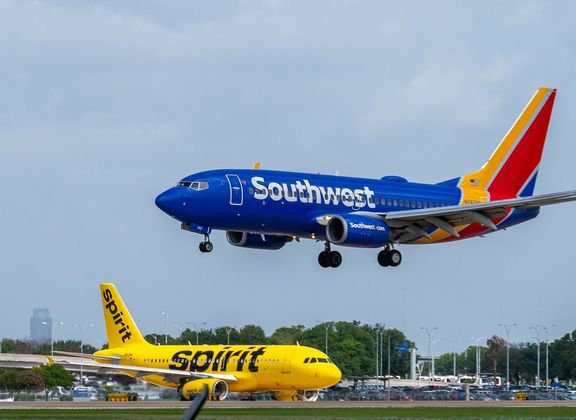
Image: Southwest Airlines flight arriving at Austin–Bergstrom International Airport, Texas. (photo via Wikimedia Commons/Brett Spangler)
Rich Thomaselli
by Rich Thomaselli
Last updated: 11:25 AM ET, Sat June 17, 2023
It was like a domino effect and not in a good way.

Southwest Airlines appears to have been at fault with another technical snafu. The airline’s problem spilled over to other major airlines and caused massive delays at Austin-Bergstrom International Airport on Friday.

Many people wound up missing their flights, and other airlines were inundated with people trying to rebook their flights.

Dan Landson, a Southwest spokesperson, said several factors led to the delays but an airport spokesperson said a problem at Southwest’s ticket counter was the root cause.

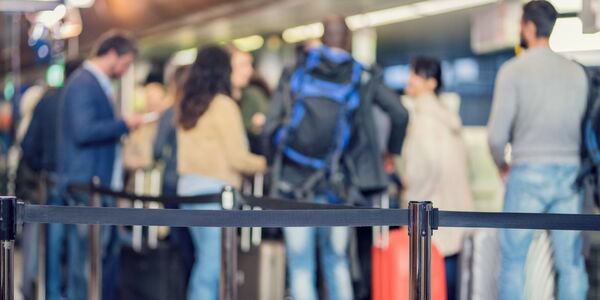
“It was like getting on a ride at Disney World,” one passenger said of the lengthy crowds and the wait.

One man said he waited for almost two hours at the TSA PreCheck line, which is supposed to expedite the security process for those who have enrolled in the program. Other airlines besides Southwest were overrun with people trying to change their tickets. For those who did miss their flights due to the original ticketing problem, it remains tenuous to see if they are eligible for a refund.

Many people took to Twitter and other forms of social media to complain.

“Major let down this morning…many, many passengers missed their flights including my family after getting to the airport with plenty of time,” one Twitter user wrote. “The lack of baggage X-ray/screening machines and lack of staff is a major problem.”

The airport’s Twitter account responded to many passengers and gave them this address to use for further questions: AirportInfo@FlyAustin.com.

An airport spokesman confirmed that the Austin Airport did have a breakdown in the baggage handling system and that the problems were not all the fault of Southwest Airlines.

Top 5 Hotels In Tennessee For A Summer Getaway

Tennessee is one of the best destinations for a summer getaway in the U.S.

This Southern state is known for many things, including its music history (blues, country, and rock ‘n’ roll all originated here), Tennessee whisky, Southern comfort food, and natural beauty (the state is home to the Great Smoky Mountains National Park.)

It’s a great destination for city breaks, with both Memphis and Nashville having a ton to offer when it comes to history, culture, food, and nightlife.

Tennessee is also the perfect place for a family-friendly getaway to a destination like Pigeon Forge or Gatlinburg, both of which are located near the Great Smoky Mountains National Park.

These are the best hotels in Tennessee for a unique and memorable summer getaway

1. Hyatt Centric Beale Street

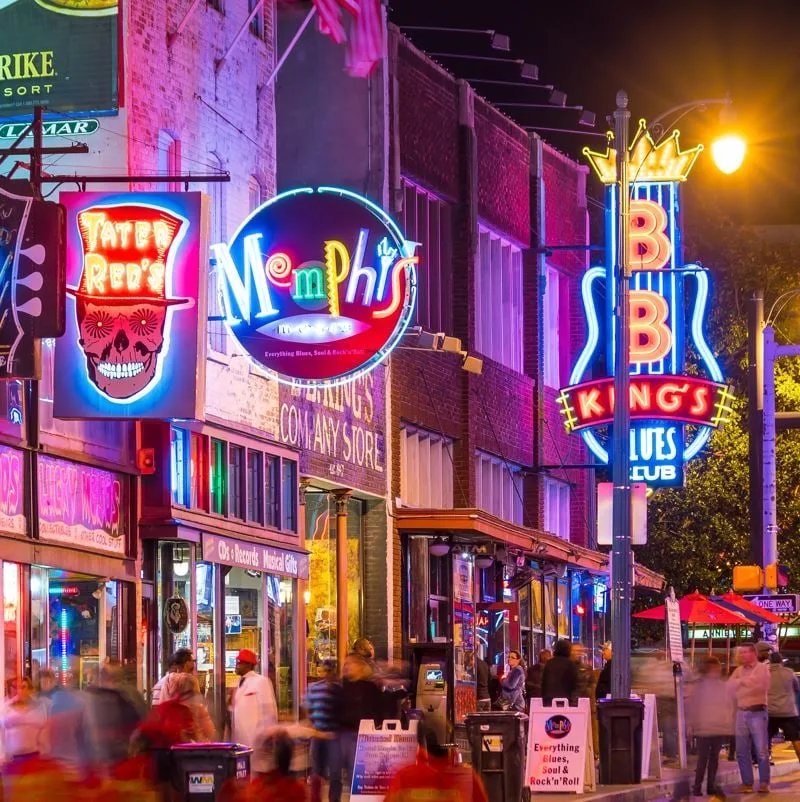
The Hyatt Centric Beale Street Memphis is directly on the famous strip that gives heart and soul to Tennessee. A quick walk from the stunning hotel will get you to some of the most famous Memphis hotspots, like B.B. King’s Blues Club, where you can enjoy great food and live music.

If you’d rather stay in for the night, then you don’t even need to leave the hotel for one of the best views in Memphis. The Beck & Call Rooftop Lounge is a great place to grab a drink and take in a gorgeous view of downtown Memphis and the famous “M Bridge” light show over the Mississippi River.

2. Thompson Nashville

Thompson Nashville is one of the coolest boutique luxury hotels in Tennessee. Located in lively Nashville, this hotel is just a few blocks away from Broadway, the city’s most popular street for nightlife. Honky tonk bars and whisky saloons await you in this fun-loving part of Nashville.

The hotel is also well-positioned for exploring Nashville’s popular street art and murals and is within walking distance of some of the best restaurants in the city.

Other must-do activities in Nashville include visiting the Country Music Hall of Fame and the Grand Ole Opry, a world-famous country music venue.

The hotel features stylish decor inspired by rustic Tennessee charm, as well as a rooftop swimming pool and lounge.

3. Dollywood’s DreamMore Resort & Spa

If you’re looking for an extremely unique hotel in Tennessee, look no further than Dollywood’s DreamMore Resort & Spa.

Country music legend and Tennessee native Dolly Parton founded Dollywood, which is one of the largest theme parks in the U.S.

Dollywood’s DreamMore Resort & Spa is located right inside the theme park, giving you easy access to all the rides and attractions via a free trolley service. There’s also Dollywood’s Splash Country, a water park that is perfect for cooling off on a hot summer day.

Adults will also enjoy this family-friendly resort, which features a free kids’ camp, indoor and outdoor swimming pools, and a full-service spa.

4. Big Cypress Lodge

Memphis is a great destination for history lovers and music buffs, but it’s also a fun place for families to visit. By far the best family-friendly hotel in Memphis is Big Cypress Lodge.This unique hotel is located inside the iconic Memphis Pyramid, a giant structure containing a Bass Pro Shops megastore, a bowling alley, an archery range, several restaurants, and an observation deck.

When staying at this hotel, you get complimentary access to the observation deck as well as the Sky High Ride.

Big Cypress Lodge features unique outdoor-themed rooms that families are sure to love. The hotel is in the heart of Memphis, close to the city’s top attractions, making this a great place to base yourself on a trip to Memphis

5. Margaritaville Island Hotel

argaritaville Island Hotel is another family-friendly hotel in Tennessee. Located in Pigeon Forge, this hotel puts you in the center of all the excitement.

The hotel overlooks The Island, a popular amusement park in Pigeon Forge. It’s also close to Dollywood, another one of the top family attractions in the area. You’re also within walking distance of many great restaurants and entertainment options.

Paula Deen’s Lumberjack Feud Supper Show and Pirates Voyage Dinner & Show are two of the most popular dinner shows for families in Pigeon Forge.

This hotel is also just a short drive away from Great Smoky Mountains National Park, the most-visited national park in the U.S.

Croatia eying record tourist season after joining Europe’s Schengen area

Croatia eying record tourist season after joining Europe’s Schengen area
Friday, June 16, 2023 Favorite

EU member Croatia joined the Schengen area as well as the euro zone, enabling visitors from the bloc to travel faster and make payments easier.

Croatian tourism officials are anticipating a record year for the sector after the country joined Europe’s free-movement Schengen zone in January, which has boosted the number of visitors to its picturesque Adriatic coast.

People walk in the old town of Zadar, Croatia. Croatia eying record tourist season after joining Europe’s Schengen area.

Tourism accounts for 20% of Croatia’s economy and following a slump during the COVID-19 pandemic, the sector recovered in 2022 and based on results in the pre-summer season, officials expect the positive trend to continue this year.

Kristijan Stanicic, the director of the Croatian Tourist Association said that so far, they have recorded nearly 5 million arrivals and over 17.5 million , which is a 20% rise from the last year.

He added that overnight stays were up 11% compared with 2019, which was a record year for visitors.

Based on these results, they can expect a positive continuation of the main tourist season and even of the whole year, Stanicic told in an interview.

The sector raked in record revenue of over 13 billion euros ($14 billion)in 2022, and Stanicic said he expected even higher revenue this year.

EU member Croatia joined the Schengen area as well as the euro zone on Jan. 1, enabling visitors from the bloc to travel faster and make payments easier.

Officials see a new trend of more weekend tourists from neighbouring countries as a direct effect of Croatia joining the Schengen zone.

Stanicic said that they have never been closer to their main markets such as Slovenia, Italy, Hungary, Austria and Bavaria, from where the largest number of visitors have arrived in the pre-season period.

However, in the Adriatic historical town of Zadar, which is surrounded by national parks and whose old town’s remains are a United Nations-protected heritage, locals who rent out their properties to tourists complain of poor government investment strategy, citing lack of hotels and a bigger airport.

Tourism unfortunately mostly depends on nice weather – the weather forecast is key because there is nearly nothing else offered except for national parks and beautiful nature, said Daniel Radeta, the president of the Zadar Renters’ Association.

Latin America’s biggest mirror installation is Rio’s new tourist attraction


Latin America’s biggest mirror installation is Rio’s new tourist attraction
Thursday, June 15, 2023 Favorite

An installation of 768 mirrors in Rio de Janeiro, the largest of its kind in Latin America, provides visitors with a trip through a universe of sensations that plays with images of rivers and oceans.

The so-called “Sea of Mirrors,” including 1,300 square meters (just under 14,000 square feet) of mirrors and crystals covering 650 sq. meters of floor space, offers visitors to Brazil’s iconic tourism capital an ideal setting where they can pose for selfies to post on the social networks, the exhibit’s organizers say.

The interactive installation is scheduled to open its doors to the public on Thursday in one of the annexes at Aqua Rio, South America’s largest aquarium housing nearly 2,000 examples of 350 marine species, but on Tuesday reporters and special guests were allowed early access.

The (facility) presents a concept inspired by the natural beauty of rivers and oceans and allows the public to reflect (on that) via images.

In addition, the completely different scenarios and ‘Instagrammable’ settings guarantee an unprecedented experience, said the managers in a press release.

Besides having the experience of seeing their true or distorted reflections in assorted arrangements of mirrors and crystals, or of playing visual games with infinite receding reflections, viewers can enjoy the carefully prepared displays of images and a sound environment created especially for the show.

In all, there are nine environments, each one providing a unique interaction and a different connection.

This new attraction’s a true gift for Rio de Janeiro, said Taina Rocha, the manager for new business for Grupo Cataratas, the tourism conglomerate that owns the aquarium.

The assorted environments visitors can experience provide images of glaciers, the sunset over the sea, cloudy peaks and even the reflection of buildings.

Rio’s new attraction was put together by the Glass Institute and the Cite Arquitectura design firm.

Qatar tourism leverages online presence to reach wider audience

Qatar tourism leverages online presence to reach wider audience
Saturday, June 17, 2023 Favorite

Acknowledging the power of digital platforms, Qatar Tourism (QT) leverages its online presence to reach a wider audience for this summer campaign.

Qatar Tourism COO Berthold Trenkel highlighted their strategic approach to generate buzz, engagement, and visibility.

Qatar Tourism utilises its digital and social platforms to reach wider audiences for all its campaigns.

They create dedicated event pages, provide detailed information and schedules, and utilise their social media platforms to generate buzz and engagement, he told a news agency.

They also partner with influencers to expand the campaign’s visibility and use search engine marketing to drive traffic to event pages.

To drive traffic and increase the visibility of their events, Qatar Tourism employs search engine marketing techniques.

By optimising their online presence, they ensure that their event pages appear prominently in search engine results.

This strategy helps to capture the attention of potential visitors who are actively searching for summer activities and attractions in Qatar, further enhancing the visibility of the campaign.

Trenkel explained that they understand the importance of consolidating information and promoting events effectively and in able to achieve this, they have developed the monthly Qatar Calendar product.

Qatar Calendar is a resource that serves as a comprehensive guide, bringing together information from various stakeholders and promoting the diverse range of events taking place across the country. By offering a centralised platform for event listings, Qatar Tourism makes it easier for visitors and residents to plan their summer activities and explore the vibrant atmosphere of Qatar.

Through these approaches, Qatar Tourism successfully reaches a wider audience, increasing the campaign’s visibility and attracting more residents and tourists to experience the unique offerings and vibrant atmosphere of Qatar during the summer months, the COO concluded.

Qatar Tourism’s summer campaign is composed of family-friendly experiences to thrilling water activities, captivating indoor wonders, cultural offerings at museums and libraries, and a wide range of shopping possibilities at diverse malls across the country, among others.

The Disney On Ice presents 100 Years of Wonder show, which will be held in the Lusail Multipurpose Hall from July 4 to 8, is one of the most anticipated events lined-up for the said campaign.

The enchanting show promises to transport audiences on a journey filled with adventure, courage, and heart, featuring characters from Disney’s Moana, Aladdin, Beauty and the Beast, The Little Mermaid, Tangled, The Princess and the Frog, Cinderella, and Sleeping

Overcharging at rural festivals sparks concerns for tourism industry


Overcharging visitors to local festivals in rural townships has become an increasing headache for municipal authorities, raising concerns that it might worsen the country’s regional tourism industry.

The concern comes after the country began approving offline events nationwide for the first time since before the COVID-19 pandemic last year as social distancing measures were being lifted.

The problem became a national issue recently as an increasing number of online commenters claimed they visited seasonal countryside festivals and witnessed local foods being sold at vendors’ booths for excessively high prices.

Complaints included Korean traditional green onion pancakes being sold for 15,000 won ($11.60), plates of spicy squid salad for 20,000 won and barbecue meat platters for 40,000 won.

All of them cost more than their usual prices around cities and local townships.

A scene from a TV entertainment show brought extra attention to the issue earlier this month.

In the weekly show where a group of celebrities travels to a different local township in each episode, they visited a local mountain-grown wild edible plants festival in Yeongyang County, North Gyeongsang Province, and tried to buy some local snacks.

There, the stars were dumb-founded when a vendor tried to sell them a bag of local traditional sweets for 70,000 won. After a negotiation, they bartered for three bags for 140,000 won.

The county government said the vendor was a professional street vendor who travels across the country to participate at local festivals.

A Japanese tourist who visited a butterfly festival in Hampyeong County, South Jeolla Province, recently posted a video on YouTube complaining about a bowl of fish cakes sold there for 10,000 won.

Tourists visiting Jeju Island, one of the country’s biggest tourism meccas, have complained about cutlassfish course meals with side dishes costing a whopping 140,000 won per table.

The high prices can be attributed partly to pricey booth fees the vendors must pay the local government to participate in the festivals.

The fees range from 200,000 won to as much as 2 million won and the vendors need to reach certain sales to make a profit ― which they are likely to do by overpricing their products.

Many such festivals also feature popular singers or other celebrities to promote the events, and the extra costs can be made up by increasing the booth fees.

But with the increasing backlash, municipal governments have begun publicizing measures to deal with the problem immediately.

The city government of Boryeong in South Chungcheong Province, now busy preparing for its annual mud festival in July and August, began talking to local commerce players not to hike prices.

The city also launched a public platform for reporting overpricing-related grievances.

Daegu Metropolitan City, during the Power Daegu Festival in May, banned vendors from selling street food near the festival venue and instead encouraged visitors to to go local restaurants.

The Hwacheon County government in Gangwon Province, where the popular Hwacheon Sancheoneo (mountain trout) Ice Festival has been held every January since 2003, said it introduced strong regulations against overpricing by street vendors long ago.

Tourism contributes 6.2% to Philippines’ GDP in 2022

Tourism contributes 6.2% to Philippines’ GDP in 2022
Friday, June 16, 2023 Favorite

The tourism sector contributed 6.2 per cent of the Philippines’ gross domestic product (GDP) in 2022, authorities said on Thursday.

The Philippine Statistics Authority (PSA) said that inbound tourism expenditure posted the highest growth in 2022, from 27.63 billion pesos ($492 million) in 2021 to 368.67 billion pesos, a news agency reported.

Domestic tourism expenditure grew by 92.3 per cent, reaching 1.50 trillion pesos.

In 2022, employment in the tourism sector also improved.

Tourism industry jobs were estimated at 5.35 million, higher by 9.3 per cent compared with 4.90 million in 2021, the PSA said.

The share of employment in tourism industries to total employment in the country in 2022 was 11.4 per cent.

As a key economic driver in the Southeast Asian country, the tourism industry’s contribution to the GDP stood at 12.7 per cent in 2019.

However, the Covid-19 pandemic dealt a severe blow to the tourism sector, slashing foreign arrivals and displacing almost 1.1 million service workers nationwide.

«

Travel industry calls for improved UK-EU employee mobility arrangements

Travel industry calls for improved UK-EU employee mobility arrangements
Thursday, June 15, 2023 Favorite

69% drop in UK travel staff working in the EU set to impact travel businesses’ growth.

ABTA and Seasonal Businesses in Travel (SBiT) are calling on the UK and EU governments to work together to address challenges travel companies are facing employing staff in EU holiday destinations.

A new report, Unlocking Travel’s Potential, finds the number of UK workers in holiday roles in the EU has decreased from 11,970 in 2017 to just 3,700 in 2023, a drop of 69%.

Employing UK workers in jobs such as chalet hosts, holiday reps and tour guides has been a fundamental part of UK holiday operations in popular EU summer and winter destinations including Spain, France, Greece, Italy and Austria. But companies’ ability to have UK staff working in the EU is now much more limited following the UK’s departure from the EU.

This is proving an enormous challenge for UK travel companies with 61% saying that problems with hiring UK seasonal staff could reduce their possibilities for growth over the next five years. It was the top ranked concern for UK travel businesses, above the impact of the cost-of-living crisis on consumer spending and other economic conditions.

As well as affecting growth, travel businesses are also seeing an increase in the time and cost of employing UK staff overseas – as they navigate the rules and regulations for each country in the EU. For example, it is estimated to cost an additional £880 to recruit each UK seasonal worker to work in France. Elsewhere the report notes that many EU countries do not have any applicable routes of entry for UK staff.

Labour mobility restrictions also present a serious threat for recruiting future talent into the industry. The report finds that 38% of staff working for businesses in the UK travel sector have conducted an overseas season in the tourism industry, rising to 49% of senior managers.
Young people are most likely to be significantly affected: 94% of businesses agreed barriers to mobility for workers between the UK and EU reduce opportunities for young people to develop a career in travel. The share of young workers in overseas roles in the industry declined from 62% of overseas staff in 2017 to 42% in 2023.

To ensure the future success of the industry, and to protect jobs and economic activity at home and in the EU, ABTA and SBiT are calling on the UK and EU Governments to:

Extend the Youth Mobility Scheme (YMS) to EU countries. This would allow young people to work in the UK and EU countries for up to two years, but without any automatic longer-term right to remain. The UK already has similar arrangements with Australia, New Zealand and Japan.

Seek an enhanced seasonal mobility agreement for tourism workers which goes beyond the current arrangements in the UK-EU Trade and Cooperation Agreement which only applies to certain roles and limits stays to 90 days in any 180-day period.

An agreement on mutual recognition of professional qualifications which would make it easier for tourism workers, including professionals providing guiding services (tour guides, ski guides etc.) to work in the EU/UK.
Mark Tanzer, Chief Executive of ABTA – The Travel Association said:

“It can’t be emphasised enough just how fundamental being able to work abroad is for the UK travel industry. Not only do people gain those important language and soft-skills, they’re also set on a path for a good career and many become leaders in the industry.

“With the UK outbound travel industry contributing £49bn a year to the UK economy, and a major driver of growth, not putting in the right mobility arrangements with the EU could come at a cost to UK plc. Yet there are simple and sensible solutions to overcome these barriers, and I’d urge ministers to make this a priority and take action urgently.”

Charles Owen, Managing Director of Seasonal Businesses in Travel said:

“It’s proving tremendously difficult to employ the UK staff we need to run our businesses in the EU. In some countries it’s a mountain of complex paperwork, delays and extra costs that need to be overcome, in others there isn’t really a workable route. As an industry we rely on UK staff being able to work in the EU to help our businesses grow and thrive. But without a sensible arrangement on labour mobility – growth in this industry will be unnecessarily held back.”

The report also points out that it is in both the UK and EU’s interest to provide a policy framework that enables travel and tourism between the UK and EU to thrive – given the €40bn contribution UK tourism makes to the EU each year. As well as the value of outbound travel to the UK economy, a labour agreement would also boost the UK’s inbound travel as EU nationals are important in delivering inbound tourism services in the UK.

Travel industry calls for improved UK-EU employee mobility arrangements

Travel industry calls for improved UK-EU employee mobility arrangements
Thursday, June 15, 2023 Favorite

69% drop in UK travel staff working in the EU set to impact travel businesses’ growth.

ABTA and Seasonal Businesses in Travel (SBiT) are calling on the UK and EU governments to work together to address challenges travel companies are facing employing staff in EU holiday destinations.

A new report, Unlocking Travel’s Potential, finds the number of UK workers in holiday roles in the EU has decreased from 11,970 in 2017 to just 3,700 in 2023, a drop of 69%.

Employing UK workers in jobs such as chalet hosts, holiday reps and tour guides has been a fundamental part of UK holiday operations in popular EU summer and winter destinations including Spain, France, Greece, Italy and Austria. But companies’ ability to have UK staff working in the EU is now much more limited following the UK’s departure from the EU.

This is proving an enormous challenge for UK travel companies with 61% saying that problems with hiring UK seasonal staff could reduce their possibilities for growth over the next five years. It was the top ranked concern for UK travel businesses, above the impact of the cost-of-living crisis on consumer spending and other economic conditions.

As well as affecting growth, travel businesses are also seeing an increase in the time and cost of employing UK staff overseas – as they navigate the rules and regulations for each country in the EU. For example, it is estimated to cost an additional £880 to recruit each UK seasonal worker to work in France. Elsewhere the report notes that many EU countries do not have any applicable routes of entry for UK staff.

Labour mobility restrictions also present a serious threat for recruiting future talent into the industry. The report finds that 38% of staff working for businesses in the UK travel sector have conducted an overseas season in the tourism industry, rising to 49% of senior managers.
Young people are most likely to be significantly affected: 94% of businesses agreed barriers to mobility for workers between the UK and EU reduce opportunities for young people to develop a career in travel. The share of young workers in overseas roles in the industry declined from 62% of overseas staff in 2017 to 42% in 2023.

To ensure the future success of the industry, and to protect jobs and economic activity at home and in the EU, ABTA and SBiT are calling on the UK and EU Governments to:

Extend the Youth Mobility Scheme (YMS) to EU countries. This would allow young people to work in the UK and EU countries for up to two years, but without any automatic longer-term right to remain. The UK already has similar arrangements with Australia, New Zealand and Japan.

Seek an enhanced seasonal mobility agreement for tourism workers which goes beyond the current arrangements in the UK-EU Trade and Cooperation Agreement which only applies to certain roles and limits stays to 90 days in any 180-day period.

An agreement on mutual recognition of professional qualifications which would make it easier for tourism workers, including professionals providing guiding services (tour guides, ski guides etc.) to work in the EU/UK.
Mark Tanzer, Chief Executive of ABTA – The Travel Association said:

“It can’t be emphasised enough just how fundamental being able to work abroad is for the UK travel industry. Not only do people gain those important language and soft-skills, they’re also set on a path for a good career and many become leaders in the industry.

“With the UK outbound travel industry contributing £49bn a year to the UK economy, and a major driver of growth, not putting in the right mobility arrangements with the EU could come at a cost to UK plc. Yet there are simple and sensible solutions to overcome these barriers, and I’d urge ministers to make this a priority and take action urgently.”

Charles Owen, Managing Director of Seasonal Businesses in Travel said:

“It’s proving tremendously difficult to employ the UK staff we need to run our businesses in the EU. In some countries it’s a mountain of complex paperwork, delays and extra costs that need to be overcome, in others there isn’t really a workable route. As an industry we rely on UK staff being able to work in the EU to help our businesses grow and thrive. But without a sensible arrangement on labour mobility – growth in this industry will be unnecessarily held back.”

The report also points out that it is in both the UK and EU’s interest to provide a policy framework that enables travel and tourism between the UK and EU to thrive – given the €40bn contribution UK tourism makes to the EU each year. As well as the value of outbound travel to the UK economy, a labour agreement would also boost the UK’s inbound travel as EU nationals are important in delivering inbound tourism services in the UK.

New Travel Forecast Shows Normalizing of Leisure Travel Demand from Post-Pandemic Surge

The U.S. Travel Association released its biannual forecast for travel to and within the United States through 2026, showing a normalized rate of growth in the domestic leisure travel sector after months of elevated demand.

“Robust domestic leisure travel demand has been the driving force in the overall industry’s post-pandemic comeback,” said U.S. Travel Association President and CEO Geoff Freeman. “Though the surge we experienced in the last year is starting to moderate, we expect this segment to remain resilient in coming quarters.”

Domestic Leisure Travel

Domestic leisure travel is expected to remain strong, but with normalized rates of growth (around 2%) in 2023 and 2024. Volume is expected to grow faster year-over-year (YOY) than inflation-adjusted spending in 2024 and beyond.

Domestic Business Travel

Both volume and spending in domestic business travel is expected to grow—albeit more slowly—largely due to economic conditions. While business travel will continue recovering, with both volume and spending at double-digit growth in 2023, it is expected that growth in inflation-adjusted spending will be slower than volume in 2024 and beyond.

Business travel volume is not expected to recover to 2019 levels until 2025, while inflation-adjusted spending is not expected to recover within the range of the forecast.

International Inbound Travel

The inbound travel forecast was upgraded due to strong demand from the Canadian market, as well as stronger expectations from key overseas markets such as Brazil. Year-over-year, inbound travel volume is projected to grow 31% in 2023 and 18% in 2024, while inflation-adjusted spending is projected to grow 34% in 2023 and 19% in 2024.

Volume in this sector is projected to recover by 2025, while inflation-adjusted spending will not recover until 2026.

Policies to Grow Travel

U.S. Travel Association cites four key federal policy areas to accelerate growth across travel sectors:

Improve the overall air travel experience through the Federal Aviation Administration reauthorization bill
Lower U.S. visitor visa interview wait times, which currently exceed an average of 500 days in top visa-requiring inbound markets
Reduce Customs wait times at U.S. airports and other ports of entry experiencing excessive delays
Increase federal prioritization and focus on travel industry growth, as other countries have done


“Travel is essential to growing the U.S. economy and workforce, so the federal government must enact policies to ensure our industry is able to meet demand in coming years,” said Freeman.