An expert deep-dives into how the Land of the Rising Sun has changed over the last three years.
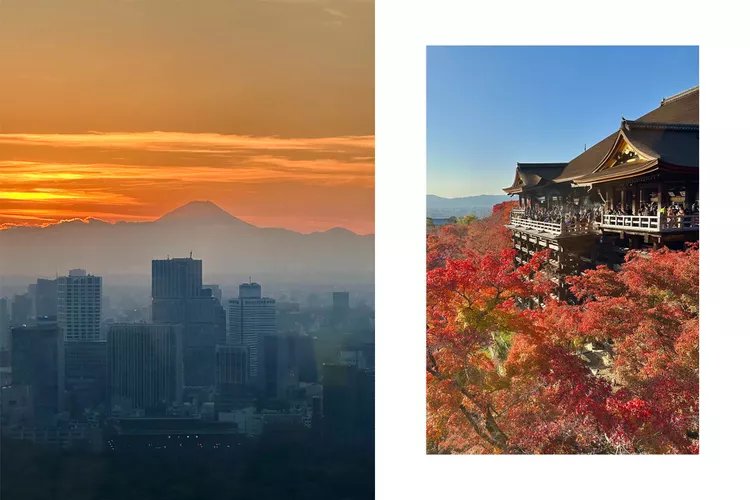
After living in Tokyo as a student and young professional, I’ve made visiting Japan a priority at least once a year since, deep-diving new and interesting themes and destinations as the country continues to evolve both with and against the rising tide of globalization. I’ve written about everything from the secret world of “rotten girl” fan fiction manga to the far-flung village in Shikoku that’s become a cult attraction among Kengo Kuma architecture devotees; I’ve also authored three travel books about the country.
This time, I’ve been on a quest to discover everything that’s new and different now that Japan’s officially open for tourism once more. Here’s what I’ve found after a month of on-the-ground research:
Hotels want to be more than just a place to stay.
They want to be your tour guide. Born from the ashes of the pandemic, hotels are leaning harder into diversifying their offerings. In Japan, hotels are upping the ante to become not just the place you hang your hat, but the lens through which you capture the destination.
Leading that trend in the luxury section is Aman, which has established a reputation for embedding itself so deep within its locales that it feels endemic. Aman Tokyo was the first Aman to take the recipe for sprawling resorts into the heart of a city; a sanctuary incorporating natural materials, a floor plan pastiche of the traditional Japanese house, and incredible views of the imperial gardens with — on a clear day — Mount Fuji just behind. During the quiet of the pandemic, the brand dug even deeper, creating a circuit of bespoke tours for guests to the nearby Nihonbashi district, where they connect with artisans who have been perpetuating precise, generations-old traditions like kimono making and chopstick whittling.
At the in-house restaurant, Musashi by Aman, the eponymous chef Musashi takes diners on the most comprehensive culinary experience possible. Never mind the flight of sushi shopped from the market earlier in the day; on Sundays and Mondays, Musashi retreats to his mountain hideaway to grow rice, farm wasabi root, and spin his potters wheel into compelling ceramics — all of which then find their place on his dinner table.
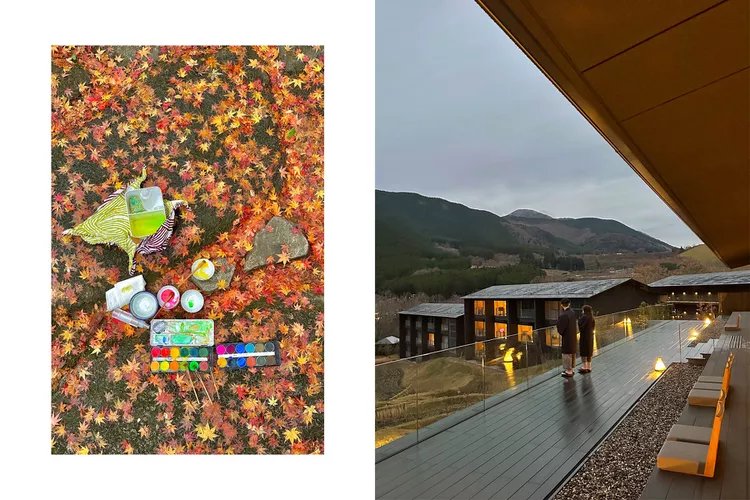
The theme of intentionality continues at Aman Kyoto, which opened just as COVID-19 was ripping across Asia; a sanctuary on the outskirts of the city with a tucked-away garden in Mount Hidari’s forest, inspired by the ruins of Machu Picchu, but with distinct local flair. The perfect antidote to the touristic hustle of the country’s favorite temple town, the resort’s modus operandi is to encourage guests to completely slow down, whether that means soothing soaks in the geothermal onsen, riding bikes around the nearby temples (wondrous places of worship but with a fraction of the tourist traffic), or strolling through the property’s forest and sitting down in a quiet nook with a resident artist to paint the vivid sakura buds of spring or the deep red maples of koyo in the autumn.
 !!! Explore Journey !!!