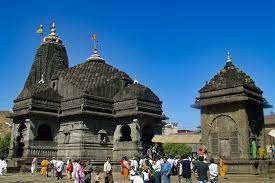
1. TRIMBAKESHWAR TEMPLE :- – For the Devotees of Lord Shiva, Nashik The Trimbakeshwar Temple is a Hindu temple located in the town of Trimbak, in the Nashik district of Maharashtra, India. The temple is dedicated to Lord Shiva and is one of the twelve Jyotirlingas (divine representations of Lord Shiva) in India. It is located at the source of the Godavari River and is considered to be one of the holiest places in Hinduism.
The temple is known for its unique architecture and is made of black stone. It has three lingams (symbols of Lord Shiva), each representing Lord Brahma, Lord Vishnu, and Lord Mahesh (Shiva). The temple also has a mandap (pillared hall), a vast courtyard, and a sacred pond called Kushavarta, where pilgrims take a holy dip.
The temple is also associated with the famous Kumbh Mela, which is held in Nashik every 12 years. During this festival, millions of pilgrims visit the Trimbakeshwar Temple to take a holy bath in the Godavari River.
Overall, Trimbakeshwar Temple is a significant pilgrimage site for devotees of Lord Shiva, and it attracts visitors from all over India and the world who seek spiritual solace and blessings from the divine.
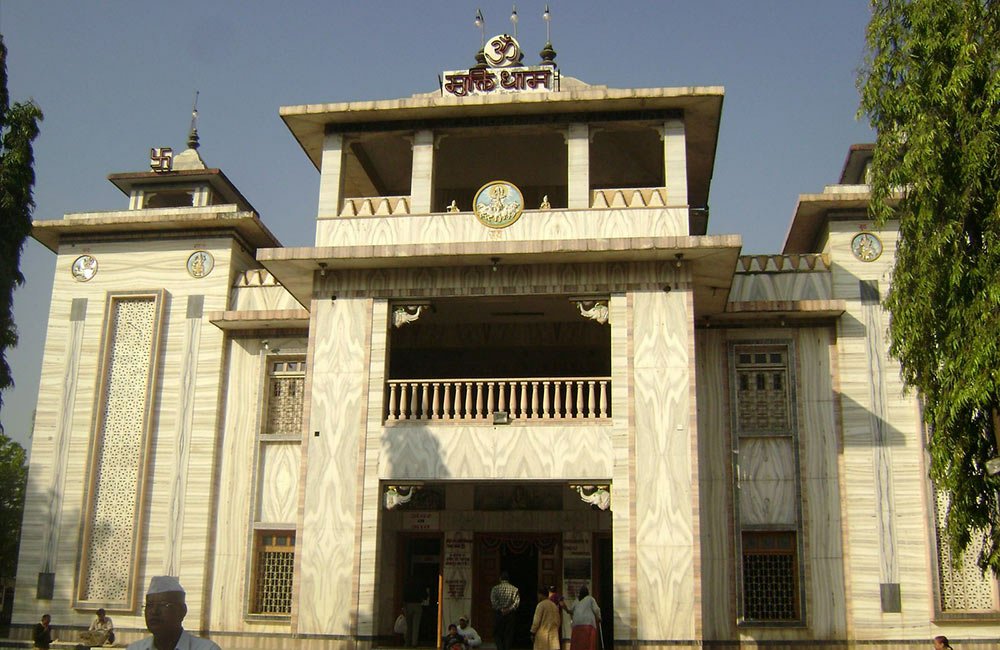
2. MUKTIDHAM :- – Site of all the Jyotirlingas, Nashik Muktidham is a Hindu temple complex located in Nashik, Maharashtra, India. It is a popular pilgrimage site and is known for its unique architecture and design. The temple complex was built by late Shri JayramBhai Bytco in 1971, and it covers an area of about two acres.
The main attraction of the Muktidham temple complex is its main temple, which houses replicas of all twelve Jyotirlingas (divine representations of Lord Shiva) found across India. The replicas are exact copies of the original Jyotirlingas and are made of marble. There is also a separate temple dedicated to Lord Krishna, which is adorned with beautiful murals and paintings depicting the life of Lord Krishna.
The temple complex is built in white marble, and the architecture is a blend of various styles, including Rajasthani and South Indian styles. The temple’s exterior is decorated with intricate carvings and sculptures, depicting various scenes from Hindu mythology.
The Muktidham temple complex also has a beautiful garden, which is home to many beautiful flowers, plants, and trees. The garden also has a beautiful fountain and a large statue of Lord Hanuman.
Overall, Muktidham is a significant pilgrimage site for devotees of Lord Shiva and Lord Krishna, and it attracts visitors from all over India and the world who seek spiritual solace and blessings from the divine.
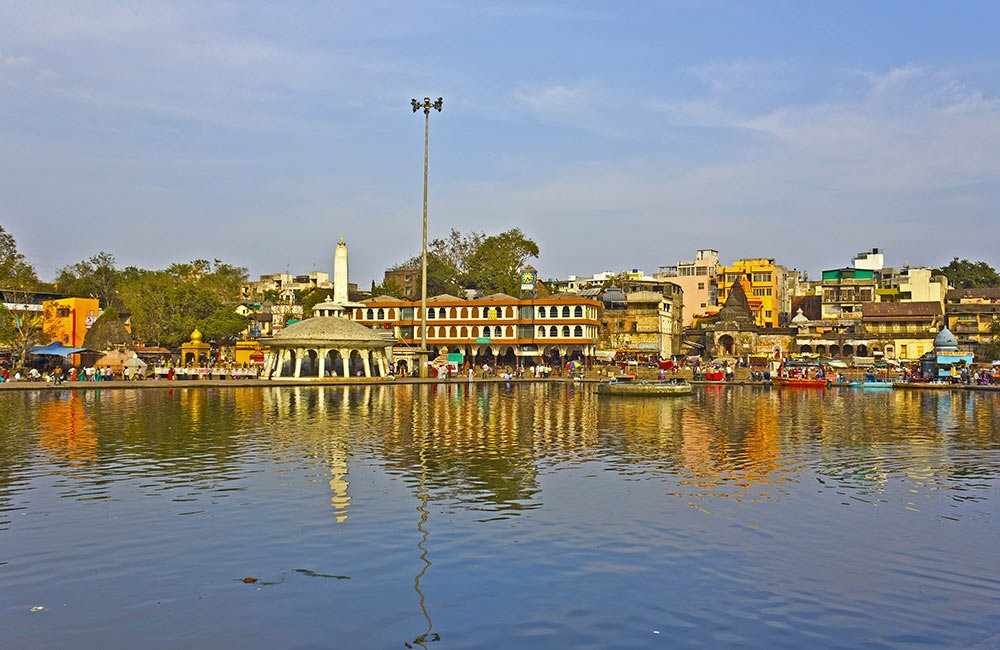
3.RAMKUND:- – Sacred Ghat on Godavari River, Nashik
Ramkund is a sacred ghat (a series of steps leading down to a body of water) located on the banks of the Godavari River in Nashik, Maharashtra, India. It is a popular pilgrimage site and is believed to be one of the holiest places in Hinduism. The name “Ramkund” is derived from Lord Rama, who is said to have taken a bath in the tank during his exile.
The Ramkund ghat is a rectangular tank that is about 27 meters long and 12 meters wide. It is believed that taking a dip in the holy waters of the Ramkund ghat can cleanse one of their sins and provide salvation (moksha).
The ghat is surrounded by many temples and shrines, including the Ganga Ghat temple, which is dedicated to Lord Shiva, and the Ram Kund temple, which is dedicated to Lord Rama. The ghat is also surrounded by many shops selling puja items and other religious souvenirs.
Ramkund is particularly famous for the Kumbh Mela, which is held in Nashik every 12 years. During the festival, millions of pilgrims visit the Ramkund ghat to take a holy dip in the Godavari River. It is also a popular site for performing last rites and other religious ceremonies.
Overall, Ramkund is a significant pilgrimage site for devotees of Hinduism, and it attracts visitors from all over India and the world who seek spiritual solace and blessings from the divine.
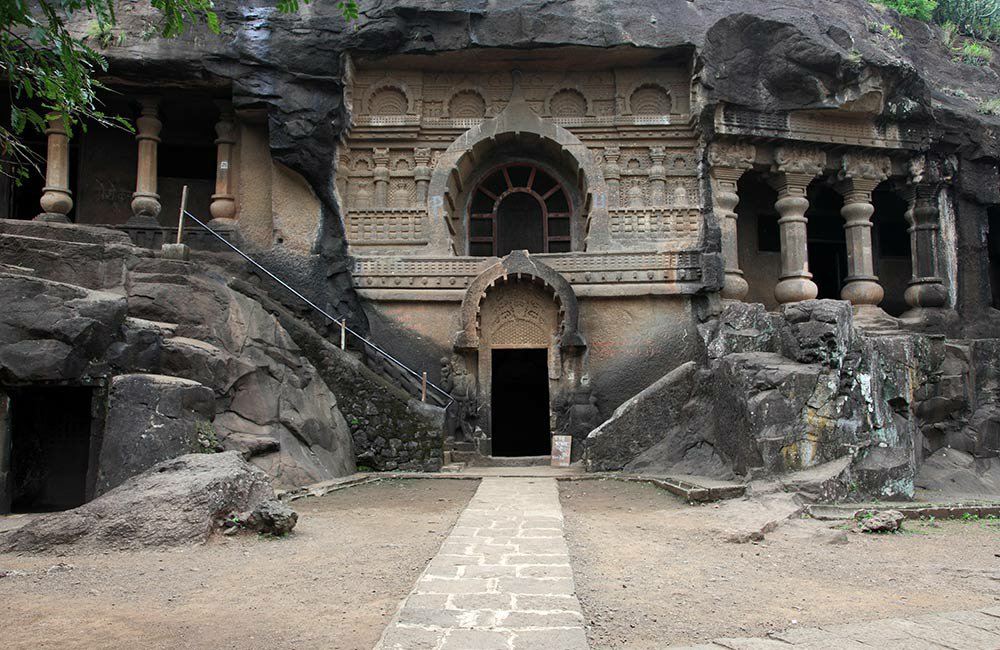
4. PANDAVLENI CAVES :- – Holy Buddhist Site, Nashik.
Pandavleni Caves, also known as Trirashmi Caves, are a group of 24 rock-cut caves located on a hilltop in Nashik, Maharashtra, India. These caves are believed to have been built between the 3rd century BC and the 2nd century AD, and they represent an important site of Buddhist architecture and art in India.
The Pandavleni Caves are accessed by a series of steps that lead up to the hilltop where the caves are located. The caves are cut into the basalt rock and are adorned with beautiful carvings, sculptures, and paintings that depict Buddhist deities and scenes from the life of Buddha.
The main cave, also known as the Chaitya Hall, is a large hall that is 45 meters long and 17 meters wide. It has a stupa (a dome-shaped structure that contains Buddhist relics) at one end and pillars with elaborate carvings on either side. The other caves are smaller and are believed to have been used as residential quarters for the monks.
The Pandavleni Caves are a significant pilgrimage site for Buddhists, and they attract visitors from all over India and the world who are interested in the history and culture of Buddhism. The caves offer a glimpse into the artistic and architectural achievements of ancient India and are an important part of India’s cultural heritage
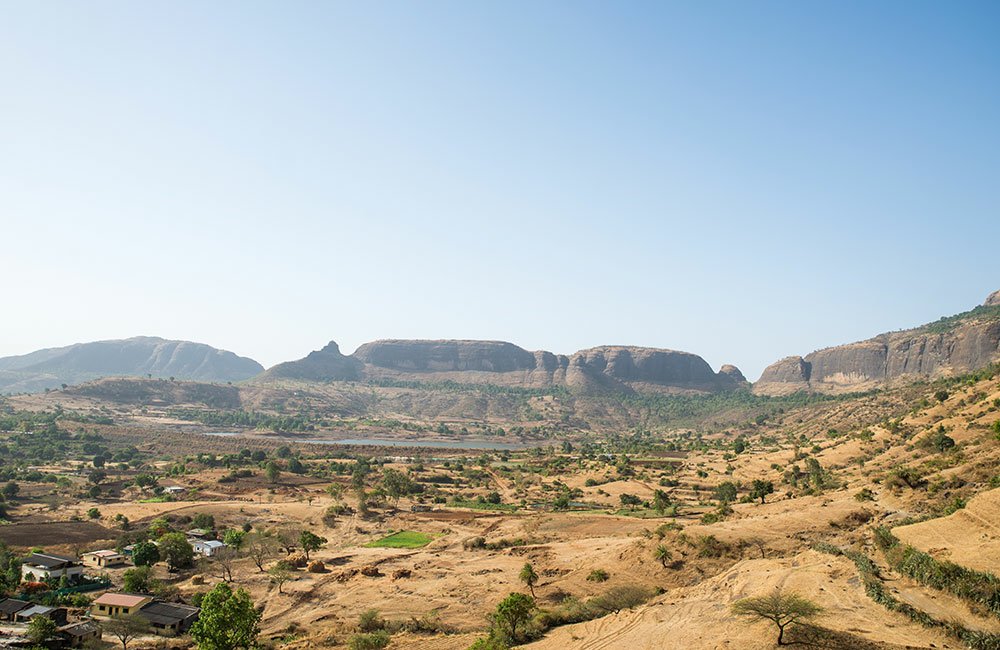
5. ANJANERI HILLS :- – Birthplace of Lord Hanuman, Nashik.
Anjaneri Hills is a beautiful mountain range located near Nashik, Maharashtra, India. It is believed to be the birthplace of Lord Hanuman, one of the most revered deities in Hinduism. The hill is named after Anjani, the mother of Lord Hanuman.
The Anjaneri Hills are a popular trekking destination and are known for their scenic beauty and natural splendor. The hills are covered with dense forests and offer breathtaking views of the surrounding landscape. The trek to the top of the hill is relatively easy and takes about an hour.
At the top of the hill, there is a temple dedicated to Lord Hanuman, which is visited by thousands of devotees every year. The temple is believed to have been built in the 13th century and is known for its beautiful architecture and intricate carvings.
Apart from the temple, there are several other attractions on the Anjaneri Hills, including a beautiful waterfall, a small lake, and a natural rock formation that resembles the face of Lord Hanuman. The hills are also home to a variety of flora and fauna, including several species of birds and monkeys.
Overall, Anjaneri Hills is a significant pilgrimage site for devotees of Lord Hanuman, and it is also a popular tourist destination for its natural beauty and scenic vistas. The hills offer a unique combination of spirituality and adventure, making it an ideal destination for nature lovers and trekkers.
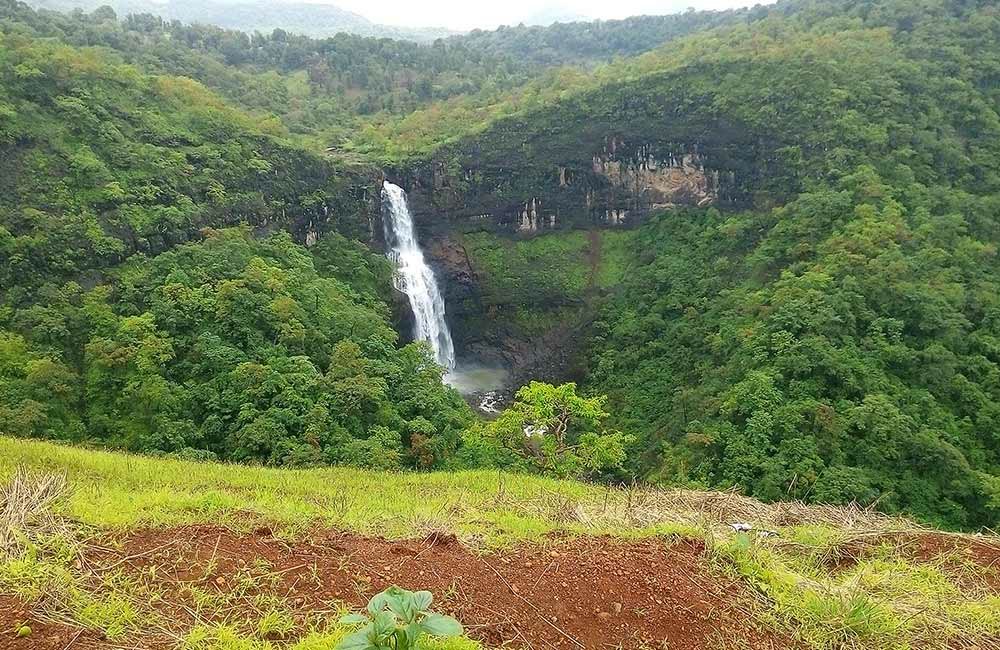
6. DUGARWADI WATERFALL:- – Nature’s Gift to Mankind, Nashik.
Dugarwadi Waterfall is a beautiful natural waterfall located in Nashik, Maharashtra, India. It is a popular tourist destination and is known for its breathtaking beauty and serene surroundings.
The waterfall is located in a dense forest, which can only be accessed by a short trek through the wilderness. The trek is easy and takes about 15-20 minutes to reach the waterfall. The trek itself is an adventure, and visitors can enjoy the scenic beauty of the forest and the wildlife that inhabits it.
The Dugarwadi Waterfall is about 30 meters high and cascades down a rocky terrain into a pool of crystal clear water. The water is cool and refreshing, and visitors can take a dip in the pool and enjoy the natural beauty of the waterfall.
The area surrounding the waterfall is serene and peaceful, and visitors can enjoy a picnic or simply relax and soak in the tranquility of the surroundings. The waterfall is also a popular spot for photography and is a favorite among nature enthusiasts.
Overall, the Dugarwadi Waterfall is a true gift of nature to mankind, and it is a must-visit destination for anyone visiting Nashik. The beauty and serenity of the waterfall are truly awe-inspiring and offer a unique experience that cannot be found elsewhere.
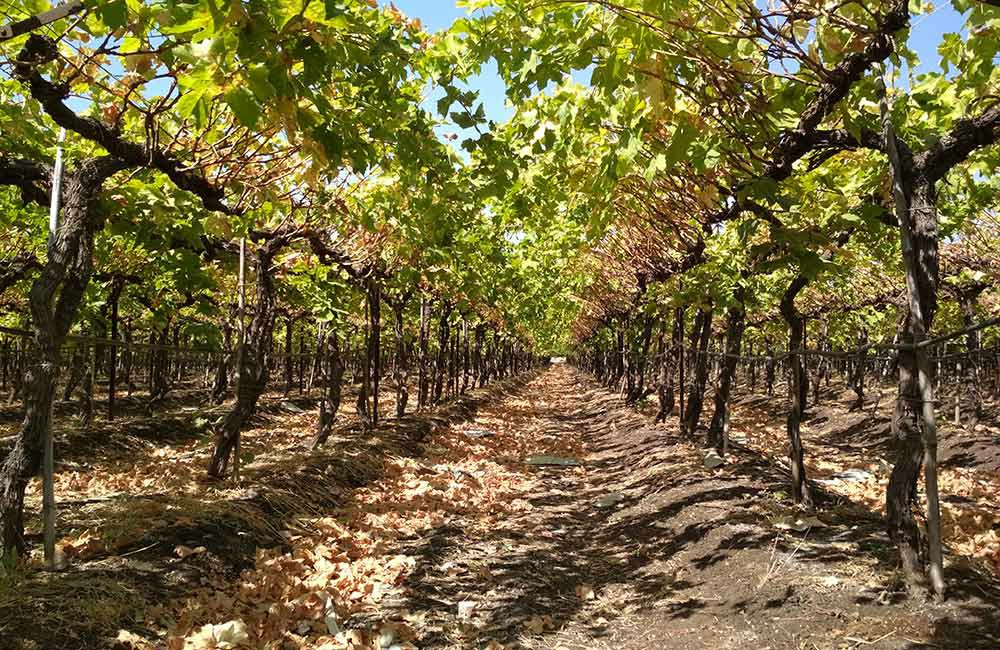
7. SULA VINEYARDS,NAASHIK. Sula Vineyards is a popular winery and vineyard located in Nashik, Maharashtra, India. It was established in 1999 and is known for its high-quality wines and picturesque surroundings.
The vineyard spans over 180 acres and is surrounded by scenic hills and beautiful lakes. It is one of the largest and most popular wineries in India and attracts visitors from all over the country and the world.
Visitors can take a tour of the vineyard and learn about the process of winemaking, from grape cultivation to bottling. They can also sample some of the wines produced at the vineyard and enjoy a wine-tasting session. The vineyard offers a wide range of wines, including red, white, and sparkling wines.
In addition to wine-tasting, the vineyard also has a restaurant that serves delicious food and wine pairings. The restaurant offers a variety of cuisines, including Indian, Italian, and Mediterranean, and is known for its farm-to-table approach, using locally sourced ingredients.
The Sula Vineyards also hosts several events throughout the year, including wine festivals and music concerts. These events attract thousands of visitors and are a great way to enjoy the wines and the beautiful surroundings.
Overall, Sula Vineyards is a must-visit destination for wine lovers and anyone looking for a unique and memorable experience in Nashik. The vineyard offers a perfect blend of nature, culture, and gastronomy and is a great place to unwind and enjoy the finer things in life.
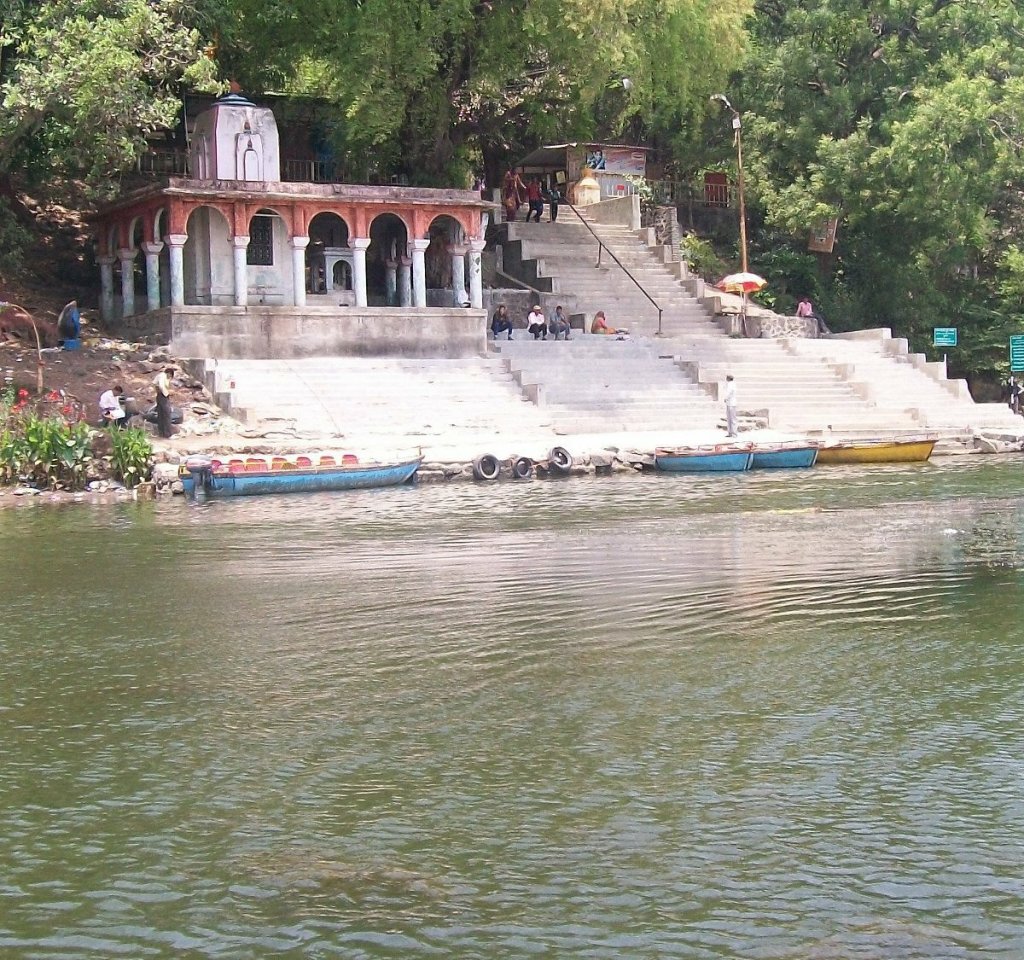
8.SOMESHWAR TEMPLE :- Someshwaris Temple a popular Hindu temple located in Nashik, Maharashtra, India. It is dedicated to Lord Shiva, one of the principal deities in Hinduism. The temple is situated on the banks of the Godavari River, one of the most sacred rivers in India, and is surrounded by lush greenery, which adds to its serene atmosphere.
The temple is believed to have been built during the reign of the Satavahanas, who ruled the region from the 2nd century BCE to the 3rd century CE. It underwent several renovations and additions over the years, with the latest renovation taking place in the 18th century, during the Maratha rule.
The architecture of the Someshwar Temple is a blend of different styles, including the Hemadpanthi and Indo-Islamic styles. The temple has a unique feature of a 40-feet high waterfall, which flows continuously throughout the year, and devotees can take a dip in the waterfall as a part of the purification ritual before entering the temple.
Someshwar Temple is a significant pilgrimage site for Hindus, especially during the Maha Shivaratri festival, which is celebrated with great pomp and show. The temple attracts a large number of visitors throughout the year, who come to seek blessings and witness the beauty of the temple and its surroundings
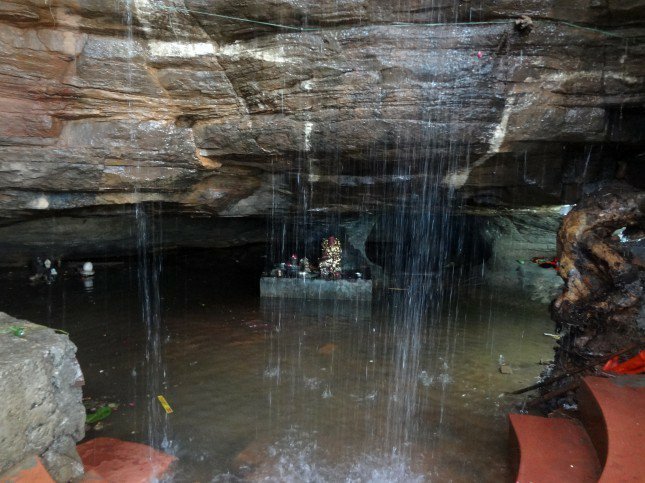
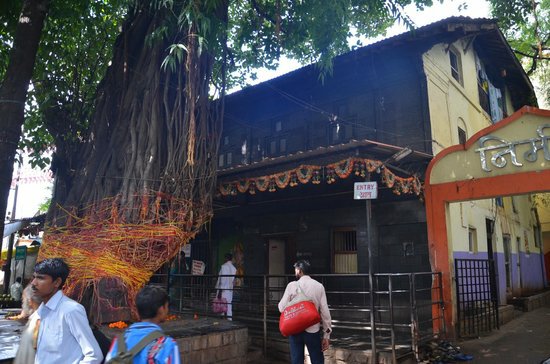
9.SITA GUFA :- Sita Gufa(also known as Sita Cave or Sita Gumpha) is a cave located in Panchvati, a locality in the city of Nashik in Maharashtra, India. It is believed to be the spot where Sita, the wife of Lord Rama, stayed during their exile in the forest as described in the Hindu epic, Ramayana.
The cave is located near the Kala Ram temple and can be reached after climbing around 300 steps. The entrance of the cave is small and narrow, and visitors need to bend down to enter. Inside the cave, there is a small shrine dedicated to Sita, where devotees offer prayers.
According to the legend, when Ravana, the demon king of Lanka, abducted Sita, he took her to this cave and held her captive here. It is said that Sita spent her days in the cave praying to Lord Rama for her release, and it was here that she was finally reunited with her husband after he defeated Ravana and rescued her.
Sita Gufa is a popular tourist destination and a significant pilgrimage site for Hindus. It is also a place of great historical and cultural importance, as it is closely associated with the epic story of Ramayana.
10.TAPOVAN NASHIK :-
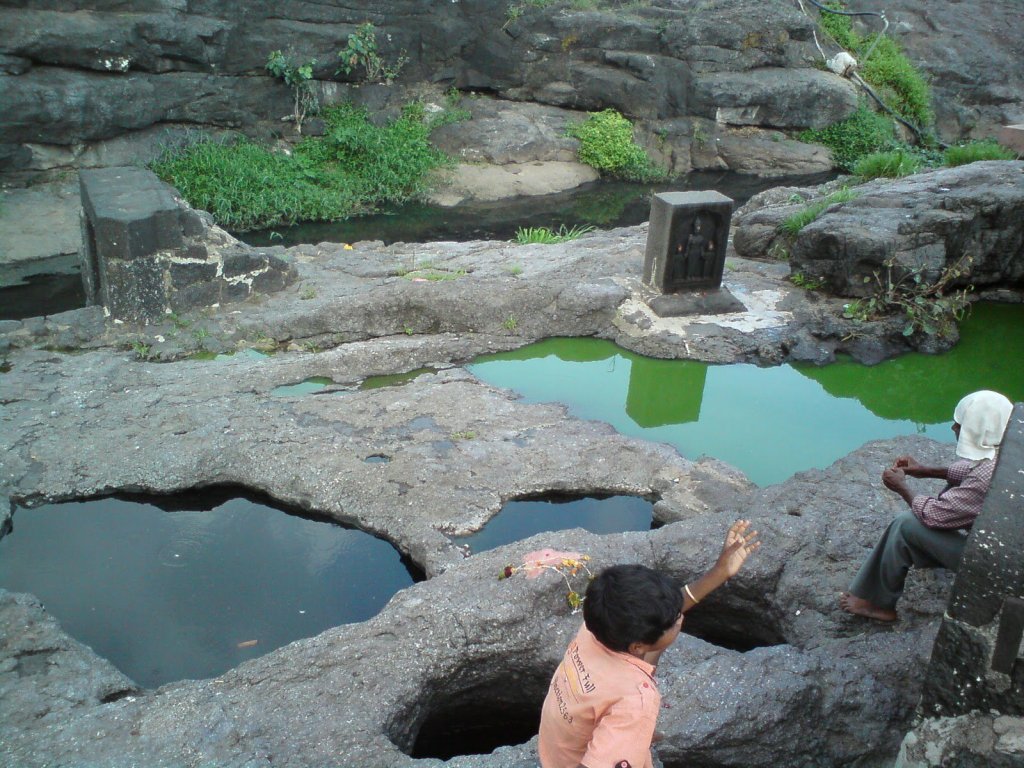
Tapovan is a scenic location in the city of Nashik, which is situated in the western state of Maharashtra, India. It is located on the banks of the Godavari river and is known for its natural beauty and religious significance.
The word “Tapovan” means “forest of meditation” in Sanskrit. According to Hindu mythology, Tapovan was the place where Lord Rama, the seventh avatar of Lord Vishnu, meditated for ten years during his exile. It is also believed to be the abode of several sages and saints who have meditated and attained enlightenment here.
Apart from its religious significance, Tapovan is also a popular tourist destination for its natural beauty. The area is surrounded by lush green forests, hills, and waterfalls, making it a perfect spot for trekking and hiking. The Godavari river, which flows through Tapovan, is also a popular spot for boating and picnics.
Overall, Tapovan is a must-visit destination for those who are interested in spirituality and nature.
 !!! Explore Journey !!!
Thanks for sharing this idea. No we didn’t visit Nashik India. Those are so amazing. Pandavleni Caves. Anita
LikeLike
Great, Quality Content for The Ultimate Tour Guide, A lot of thanks for sharing, kindly keep with continue !!
LikeLike